Renovating your home presents an ideal opportunity to verify that electrical installations meet current standards, particularly in older properties. Trusting certified professionals is the wisest approach, as regulations evolve continuously to prioritize safety.
When purchasing an older property, the electrical installation diagnosis is a key component of the seller's technical diagnosis file (DDT), required by French law. This assessment identifies risks to occupants and property by ensuring compliance with electrical standards. It's a prerequisite before occupancy, safeguarding residents from hazards like fires—nearly 40,000 domestic fires stem from non-compliant systems annually. Electrocution risks are also heightened, especially in homes with children, potentially leading to severe injuries or fatalities. Compliance extends beyond private residences to public buildings, commercial, and professional spaces.
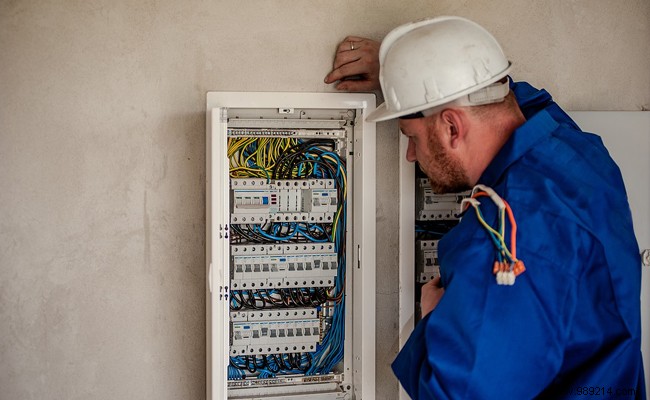
Established on October 22, 1969, the NF C 15-100 standard governs the safety and functionality of electrical networks in apartments and houses. Updated in November 2015 with amendments effective via two decrees on September 1, 2016, it includes "Title 10" and "Title 11," regulating electrical systems and home communication networks.
Compliance demands specifics like limiting outlets in living rooms, kitchens, and bedrooms; calibrating amperage and current intensity; and installing indoor/outdoor lighting. Electric heating circuits require dedicated circuit breakers and adherence to RT2012 thermal regulations.
Due to the technical complexity, engaging qualified electricians is highly recommended. While not legally required, DIY installations must be validated by the Consuel (National Committee for Electrical User Safety) for NF C 15-100 certification—the only authority empowered to issue compliance certificates.
A standard setup includes earthing to handle current leaks, a main circuit breaker, meter, and load shedder. The distribution board features circuit breakers and appropriate conductors. Cables must follow color codes, with adaptations for damp areas like bathrooms. Professionals provide full schematics, and only NF-certified sockets—preferably with covers—should be used.
