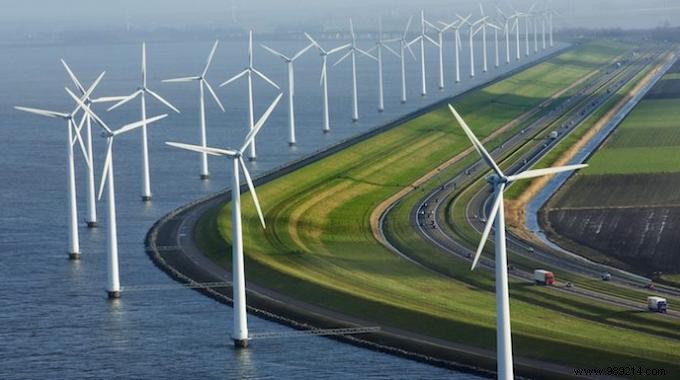
In May 2016, Portugal operated entirely without fossil fuels for four consecutive days, relying solely on solar, wind, and hydropower.
Portugal set a European record by achieving full energy autonomy from renewables alone for more than 100 hours, from May 7 to 11.
Just three years earlier, in 2013, the country generated only 13% of its energy from hydro and 3% from solar.
By 2016, a remarkable 48% of Portugal's energy consumption came from renewable sources.
This success stems from years of proactive energy transition policies. Portugal invested heavily in large-scale wind farms, reducing its former heavy dependence on imported hydrocarbons.
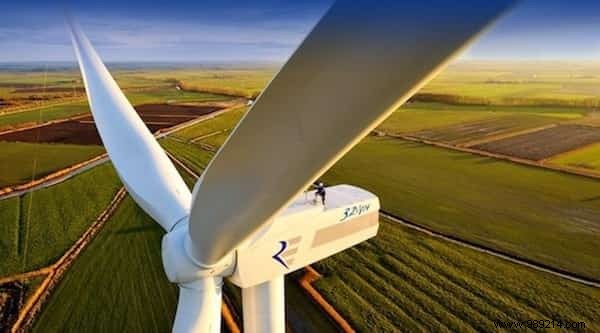
"What seems like a feat today should become the norm," says James Watson, CEO of SolaPower. "Renewable energy consumption is steadily rising across the European Union."
Sweden leads with 52.6% of its energy from clean sources, followed by Finland and Latvia (39%), Austria and Germany (33%), and Denmark (29%).
Germany aims for 100% renewables by 2050.
France trails behind, targeting 23% renewables by 2020 but reaching only 14% in 2013. Greater ambition, like Portugal's, could accelerate progress.
