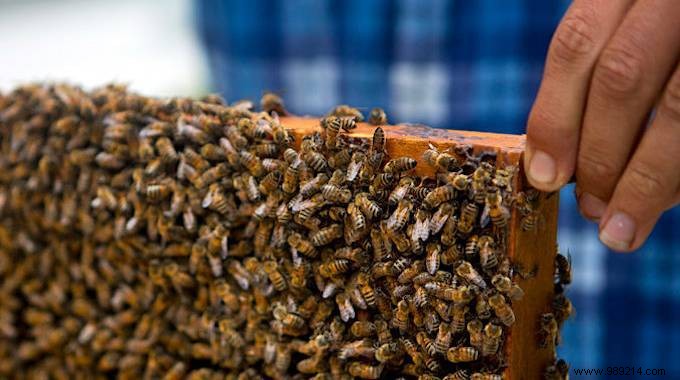
Still skeptical about the environmental damage from pesticides? Cuba's real-world example offers compelling evidence.
Bees face global threats from harmful pesticides—but not everywhere. In Cuba, they've found a true sanctuary.
The reason? Cuba phased out synthetic pesticides in the 1990s, creating a haven for pollinators.
This matters deeply, as bees are vital to our ecosystems and food supply. Could France—and the world—follow suit?
Cuba isn't just known for classic cars, rum, and cigars—it's also a beekeeping powerhouse.
Experienced beekeepers there harvest up to 45 kg of honey per hive, far surpassing the typical 20 kg in France amid ongoing challenges.
Organic honey ranks as Cuba's 4th most exported product.
The economic impact is clear: In 2014, the island produced 7,200 tons valued at $23.3 million.
Interested in trying Cuban honey? You can find it here.
This success stemmed from necessity. When the Soviet Union collapsed in the 1990s, pesticide supplies dried up, forcing Cuban agriculture to adapt organically—and bees flourished.
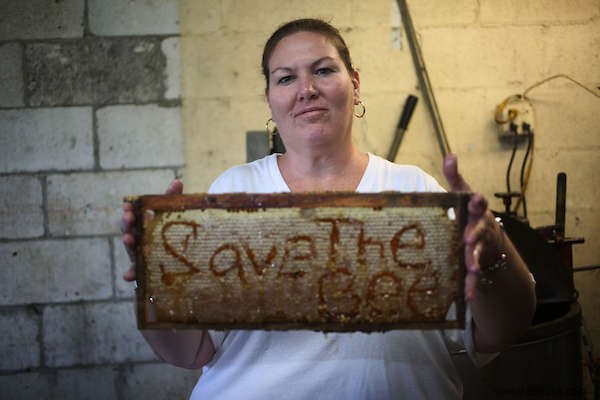
Cuban beekeeper Raul Velasquez shared with Reuters: "The government doesn't allow chemical sales here. That's likely why our bees stay healthy, unlike elsewhere. It's a very natural environment."
This organic boom highlights a key insight: Eliminating pesticides revives bee populations.
As essential pollinators, bees underpin one-third of our food crops and global biodiversity.
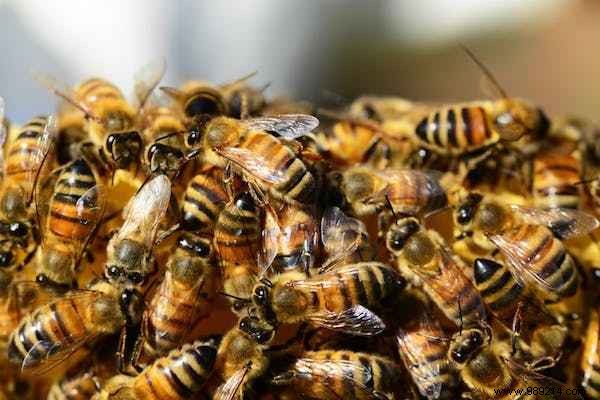
Closer to home, France's Ouessant Island in Brittany proves the point. With pesticides largely banned, winter bee mortality is just 3%—compared to 30-40% mainland-wide.
These examples show it's time for agriculture worldwide to ditch chemicals for good.
