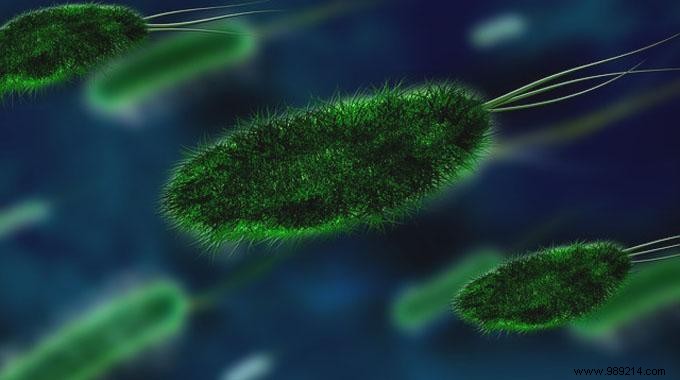
Think the toilet is the germiest spot in your home? Think again. Many everyday objects harbor far more bacteria than you'd imagine, according to microbial research. These hidden hotspots can lead to illness if not addressed.

To help you stay healthier without paranoia, here's a rundown of the 10 dirtiest items we encounter daily, based on documented bacterial counts.

Topping the list: cash. Banknotes and coins can carry up to 26,000 bacteria. Viruses may linger for over two weeks, making handling money a sneaky transmission risk.
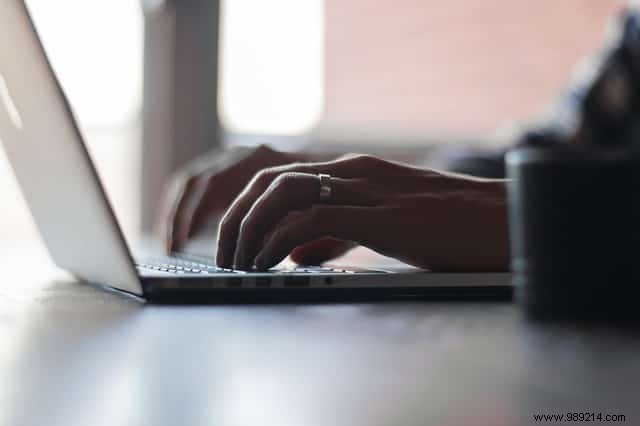
Your keyboard is notorious—it's five times dirtier than a toilet seat and holds 150 times the maximum allowable level of harmful bacteria. Clean it regularly, especially during flu season.

Menus in eateries can keep germs active for 18 hours, potentially spreading multiple disease-causing bacteria. Next time you're dining out, handle with care.
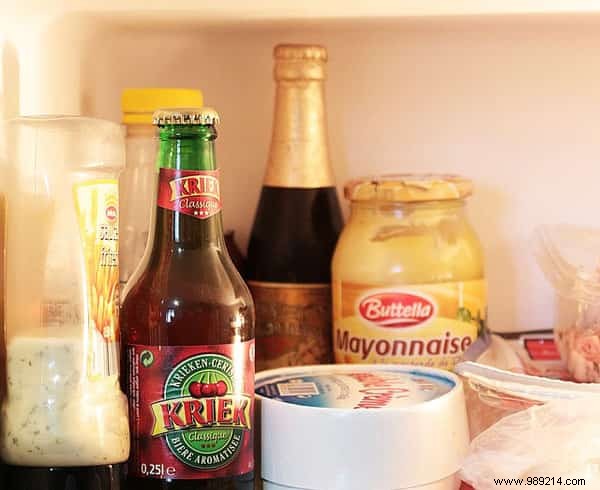
Even your fridge isn't pristine. Temperature fluctuations promote growth, with the vegetable drawer alone containing 750 times the maximum bacterial limit.

A simple handshake transfers numerous viruses and germs. Opt for the fist bump instead—it reduces bacterial transmission by a factor of 10, as popularized by figures like the Obamas.
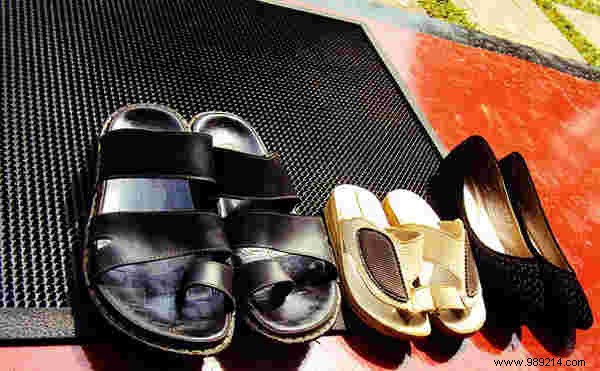
Don't overlook your doormat: 96% harbor fecal bacteria tracked in from shoes. Regular maintenance is key.
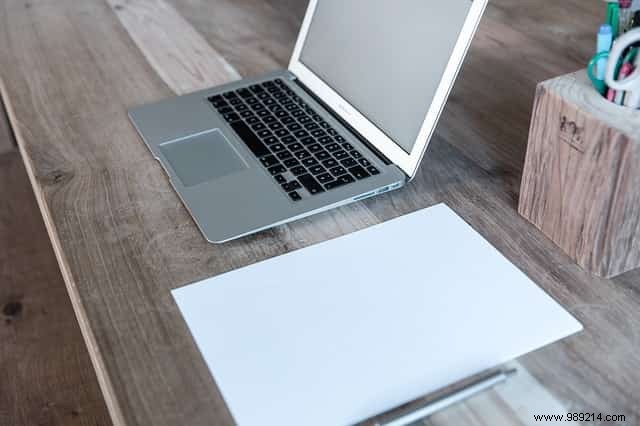
Your workspace is a germ haven, with around 20,000 bacteria per 6 square centimeters on the desk surface alone—combine that with your keyboard for a microbial hotspot.
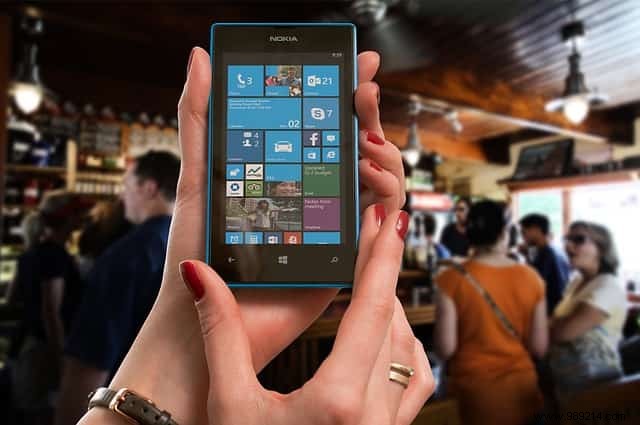
Constant touching makes phones prime culprits: screens can hold 18 times more bacteria than a toilet bowl.
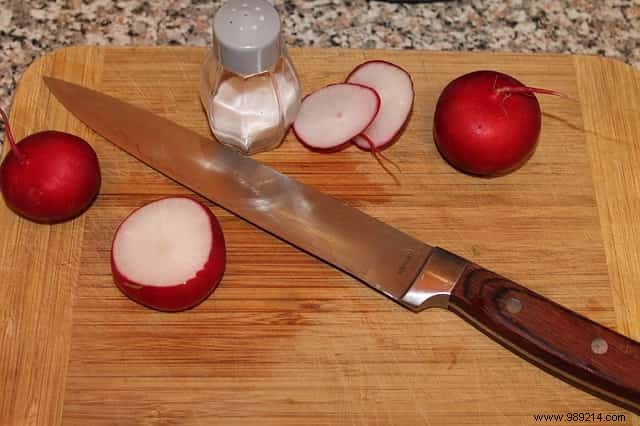
Wooden boards, especially after raw meat, trap 200 times more microbes than a toilet. Clean thoroughly—try this proven trick for deep sanitizing.
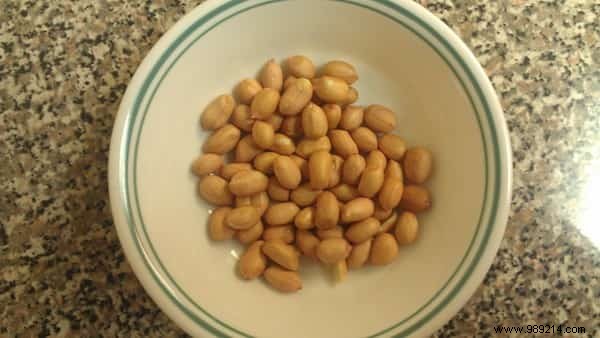
Self-serve bar peanuts are grim: a study found traces of 14 types of urine on them. Skip these and request fresh ones.
In summary, carry disinfectant wipes, clean keyboards, boards, and fridges often with white vinegar, and steer clear of bar peanuts. Simple habits backed by science can keep germs at bay.
