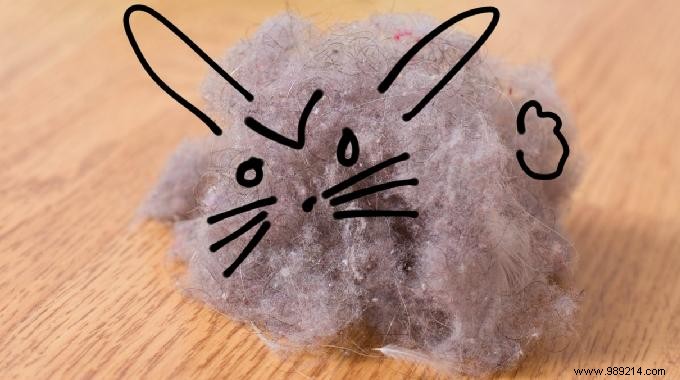
Dust buildup in your home is frustrating and persistent, no matter how diligently you clean. Composed of pollen, dead skin cells, clothing fibers, and paper particles, it can aggravate allergies and asthma. Even worse, it provides a breeding ground for dust mites.

Based on years of cleaning expertise, here are 8 practical strategies to minimize dust effectively:
Dust mites thrive in bedding, pillows, and mattresses. Combat them by encasing your mattress in an anti-mite protector and washing sheets every week. This simple routine keeps mites and dust at bay.
Clothes in closets shed fibers that create dust clouds every time you open the door. Store them in protective garment bags or airtight plastic boxes for better control.
Piles of clothes, toys, books, or magazines on the floor trap dust. Cleaning around them misses hidden particles. Maintain clear floors for thorough dusting.
While cozy, carpets harbor dust mites and require daily vacuuming. For allergy sufferers, even that may not suffice. Choose low-maintenance parquet or tile floors instead. If carpets are essential, use a vacuum with an anti-allergen microfiber bag to trap dust.
Effectively remove dust from rugs, pillows, blankets, and duvets by shaking them outside or at an open window. Follow up by airing out rooms daily for a few minutes.
Feather dusters just redistribute particles. Opt for a damp microfiber cloth to capture dust on furniture, then rinse it under water for disposal.
Start with high surfaces like shelves and tables, then work downward. This ensures falling dust gets captured in lower passes.
For severe allergies or asthma, air purifiers filter airborne particles effectively—though they're an investment. Note they target dust in the air, not mites on surfaces, so combine with regular cleaning. Use one per room for best results.
