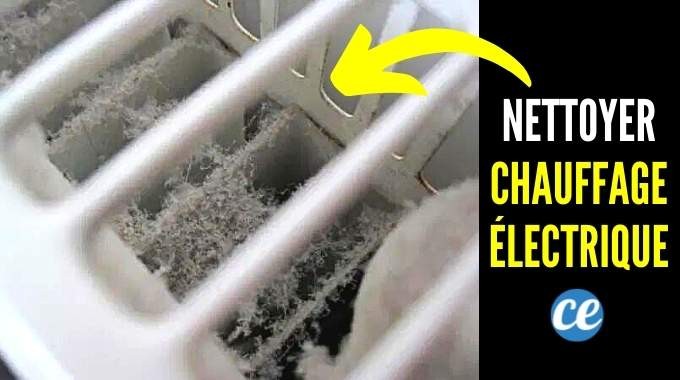
Discover my proven method for cleaning electric radiators, shared by a trusted heating engineer relative with years of professional experience.
As colder weather approaches, it's time to dust off your radiators. But don't turn them on if they're covered in grime—it's a safety and efficiency issue!
Electric heaters accumulate dust quickly in their grilles, leading to odors and reduced performance. This simple, natural routine takes minutes and helps lower your electricity bills. Here's how:
Contents
- What you'll need
- Step-by-step instructions
- Impressive results
- Why it works
- Why regular cleaning matters
- Additional pro tips
What you'll need
- Soft brush
- Pair of gloves
- Sponge
- Dishwashing liquid
- Basin of hot water
- Vacuum cleaner
- Clean tea towel or microfiber cloth
Step-by-step instructions
- Unplug the heater and ensure it's powered off for safety.
- Vacuum the grilles to remove loose dust.
- Mix a squirt of dishwashing liquid into a basin of hot water.
- Put on gloves.
- Dip the sponge in soapy water.
- Scrub the radiator, focusing on the grilles.
- For dimpled grids, use the brush to reach crevices.
- Rinse thoroughly with clean water.
- Repeat soapy scrub if needed.
- Dry completely with the towel.
Impressive results
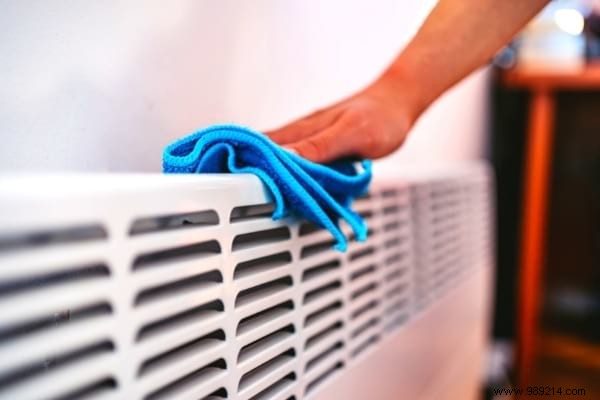
Voila! Your electric radiator is spotless and ready for efficient heating. Quick, effortless, and eco-friendly—no harsh chemicals required.
Why it works
Vacuuming lifts light dust first, making scrubbing easier. Dishwashing liquid cuts through grease, yellowing, and black buildup on grilles instantly, restoring optimal heat flow.
Why clean your radiators regularly?
Dust harms indoor air quality, aggravating allergies, asthma, and dust mites. More importantly, it blocks heat circulation, forcing your heater to work harder—increasing bills without better warmth.
Additional pro tips for electric radiator maintenance
- Always unplug before cleaning to prevent shocks.
- Vacuum grilles during routine house cleaning or use a feather duster regularly.
- For darkened grilles, apply toothpaste with an old toothbrush, scrub both sides, rinse, dry, and reinstall—they'll whiten right up.
- Skip abrasives to protect the paint finish.
