Family Encyclopedia >> Home & Garden

Toxic Chemicals in Everyday Household Cleaners: Worst Brands to Avoid and Proven Natural Alternatives

Toxic Chemicals in Everyday Household Cleaners: Worst Brands to Avoid and Proven Natural Alternatives

Many everyday household cleaners contain harmful chemicals like phosphates, bleaching agents, parabens, preservatives, and synthetic fragrances. These toxins lurk in products you might already have at home.

Renowned French consumer magazine 60 Millions de Consommateurs analyzed over 100 popular household products and identified numerous undesirable ingredients that pose risks to health and the environment.
Toxic Chemicals in Everyday Household Cleaners: Worst Brands to Avoid and Proven Natural Alternatives

While these cleaners effectively tackle dirt, germs, and bacteria, they can also irritate skin, lungs, and eyes—and harm the planet. Aggressive advertising often promotes their 'whiter-than-white' results, leading us to use them daily without realizing the dangers.

This follows their earlier study on 237 daily hygiene products. This time, experts scrutinized household cleaners for dangerous substances.
An Alarming Investigation

Toxic Chemicals in Everyday Household Cleaners: Worst Brands to Avoid and Proven Natural Alternatives

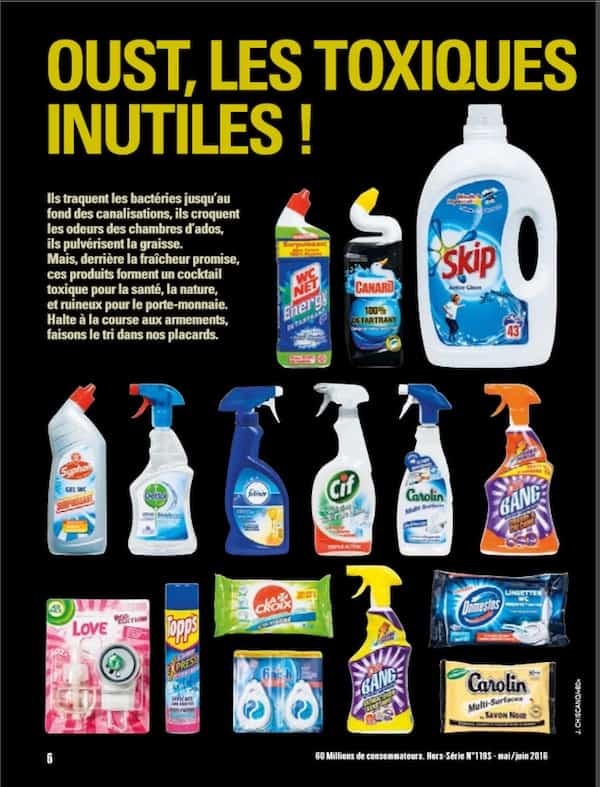
The findings from 60 Millions de Consommateurs are concerning: nearly all products contained at least one undesirable substance.

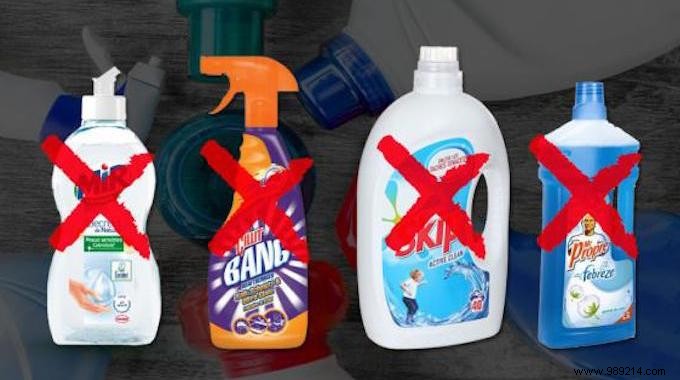
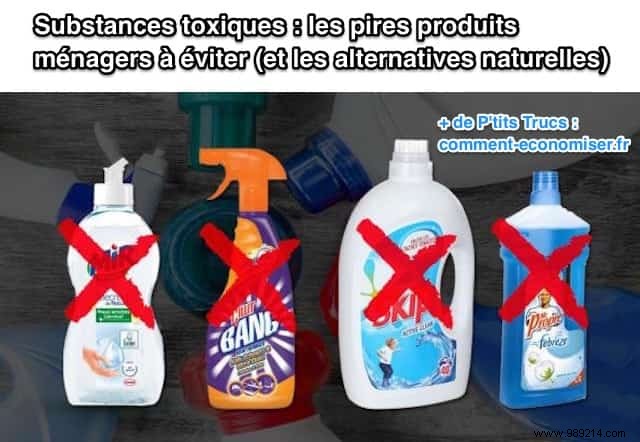
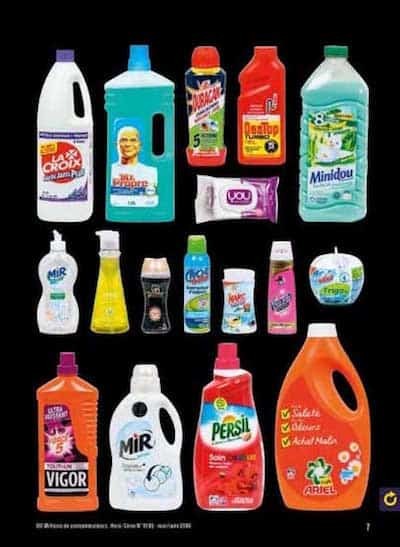
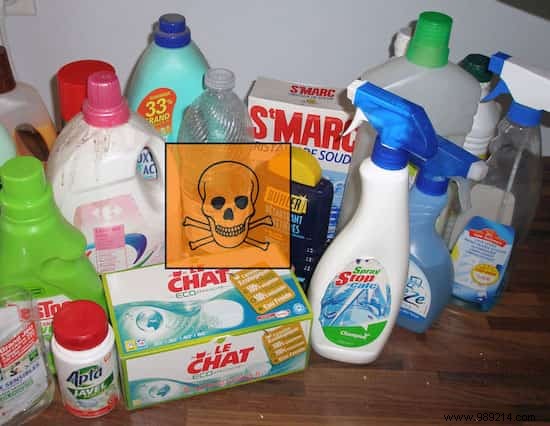
Hazardous brands include: Ajax, Ariel, Canard, Carolin, Cif, Cillit Bang, Destop, Febreze, Harpic, La Croix, Mir, Mr. Clean, Pliz, Saint-Marc, Sanytol—familiar names in many homes. These often include allergens, irritants, corrosives, and environmental pollutants.

Even eco-labeled Frog contains phenoxyethanol, an irritant and corrosive agent.

Far from creating a healthy home, these products can pollute indoor air and compromise well-being.
The Trap of Needless Specialized Products

Toxic Chemicals in Everyday Household Cleaners: Worst Brands to Avoid and Proven Natural Alternatives

There's no need for an arsenal of bacteria-killing products that risk burning skin or poisoning waterways. Homes aren't hospitals requiring constant sterilization.

Marketing pushes 'specialized' cleaners for kitchens, bathrooms, floors, laundry, and more—multiplying allergens and pollutants (see the Scientific Committee for Consumer Safety's allergen list).

Pictograms on labels help guide safe use; learn their meanings here.
Safe, Effective Natural Alternatives

Toxic Chemicals in Everyday Household Cleaners: Worst Brands to Avoid and Proven Natural Alternatives

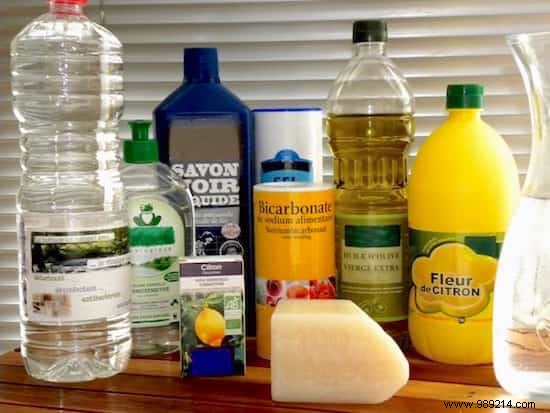
60 Millions de Consommateurs recommends eco-friendly options like organic brands Ecodoo or Ecological Drugstore. Simple, affordable naturals include:
  1. Baking soda
  2. Soda crystals
  3. White vinegar
  4. Black soap
  5. Marseille soap
  6. Soda ash
  7. Terre de Sommières
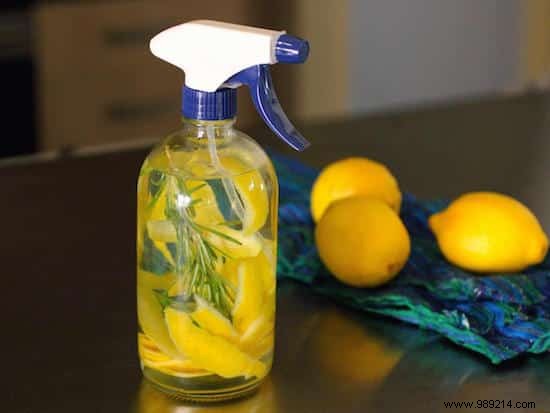
  8. Essential oils (lemon, lemongrass, tea tree, cinnamon, lavender)

DIY Recipes for Safe Household Cleaners

Toxic Chemicals in Everyday Household Cleaners: Worst Brands to Avoid and Proven Natural Alternatives

These eight ingredients can handle every cleaning task. Proven uses include:
20 Toxic Ingredients to Avoid

Toxic Chemicals in Everyday Household Cleaners: Worst Brands to Avoid and Proven Natural Alternatives

Steer clear of these common culprits:

  • Hydrochloric acid: Skin and respiratory irritant, corrosive.
  • Oxalic acid: Eye/skin irritant, corrosive; toxic gases if mixed.
  • Sulfamic acid: Irritant, corrosive, aquatic toxin.
  • Alkyl ethoxylates: Irritant, aquatic toxin.
  • Benzisothiazolinone: Irritant, allergenic, aquatic toxin.
  • Butoxyethanol: Irritant, possible carcinogen.
  • Benzalkonium chloride: Promotes resistant microbes.
  • Didecyldimethylammonium chloride: Irritant, corrosive, microbe resistance.
  • EDTA: Poorly biodegradable, environmental persistence.
  • Ethanolamine: Skin/respiratory irritant, corrosive.
  • Ethoxydiglycol (DEGEE): Skin/respiratory irritant, corrosive.
  • Hydrogen peroxide: Irritant, corrosive; mixing risks.
  • Lyral (hydroxyisohexyl 3-cyclohexene carboxaldehyde): Highly allergenic.
  • Sodium hypochlorite: Skin irritant.
  • Sodium hydroxide: Irritant, corrosive; harms wildlife.
  • Iodopropynyl butylcarbamate: Allergenic, irritant, highly aquatic toxic.
  • Sodium metaperiodate: Irritant, corrosive, aquatic toxin.
  • Methylchloroisothiazolinone: Highly allergenic, persistent aquatic toxin.
  • Methylisothiazolinone: Highly allergenic, aquatic toxin.
  • Phenoxyethanol: Allergenic, irritant; reprotoxic in high animal doses.

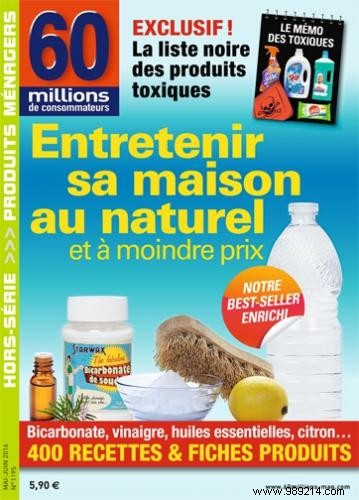
Full details in 60 Millions de Consommateurs: Maintaining Your Home Naturally.
Toxic Chemicals in Everyday Household Cleaners: Worst Brands to Avoid and Proven Natural Alternatives
