Slugs are a common garden pest that can wreak havoc on plants and vegetables. While chemical slug killers exist, they're often toxic to birds, wildlife, and the environment—and rain washes them away just when slugs are most active.
Fortunately, as seasoned gardeners and horticultural experts know, there are highly effective natural alternatives. These eco-friendly repellents are inexpensive, non-toxic, and backed by real-world experience and research.
Implement these 13 trusted, natural strategies, and slugs won't stand a chance in your garden.
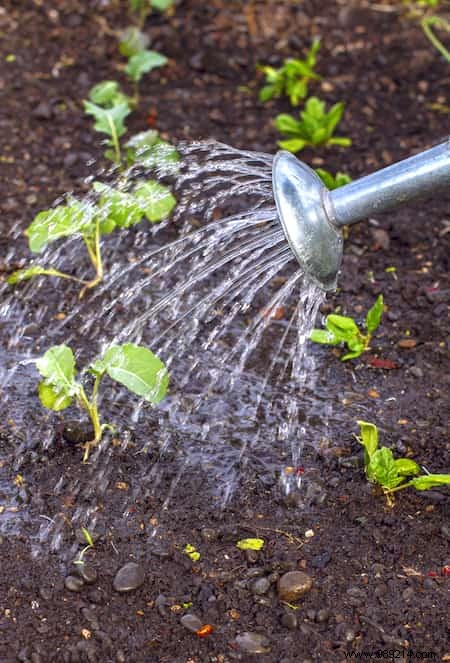
Timing your watering is a simple yet powerful first step. Slugs thrive in moist conditions and are most active at night. Water early in the day so soil surfaces dry out under the sun—studies show this alone can cut slug damage by up to 80%.
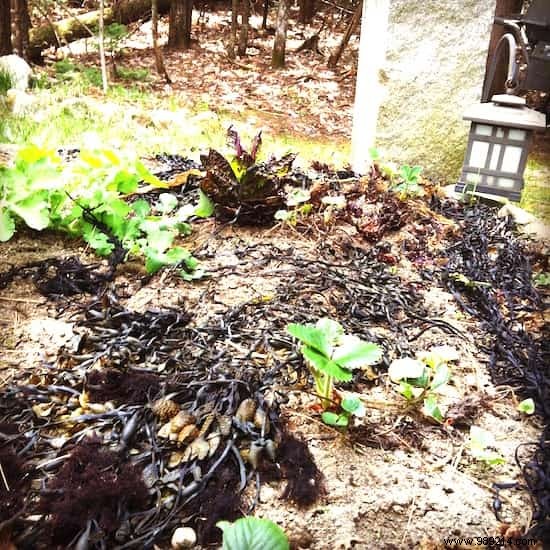
Seaweed doubles as excellent fertilizer and a potent slug deterrent. Collect a pile and apply 3-4 cm thick around plant bases or veggie beds. Its salt content repels slugs, and as it dries, the rough texture keeps them at bay. Avoid direct contact with stems.
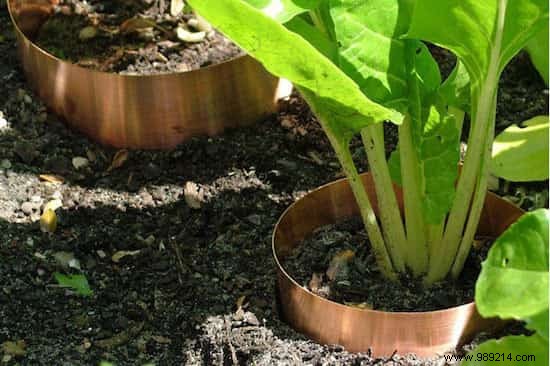
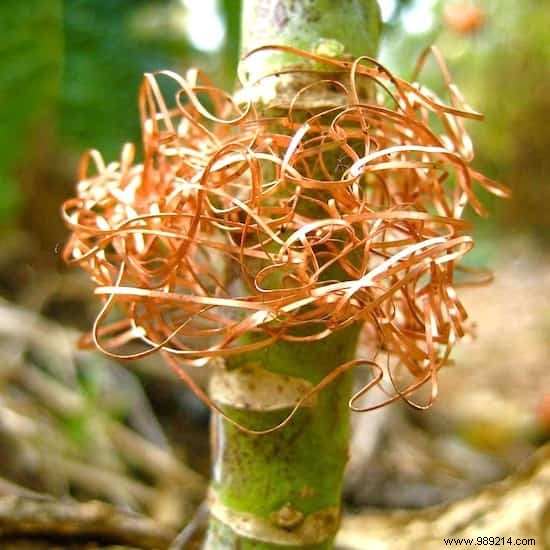
Copper strips create an effective physical barrier. Wrap 2 cm wide strips around pot bases, raised beds, or garden edges to form a 'fence.' Slugs get a mild shock on contact. Also ideal for barrel planters. Trim leaves to prevent bridges, and try reusable copper mesh for stems.
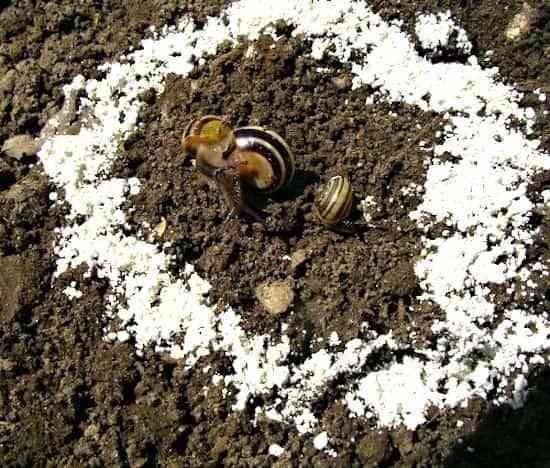
This natural powder from fossilized algae dehydrates slugs on contact due to its abrasive nature. Sprinkle granular form around plants or mix with water for foliar spray. Best in dry weather; use food-grade only, with protective gear. Pool-grade is ineffective.
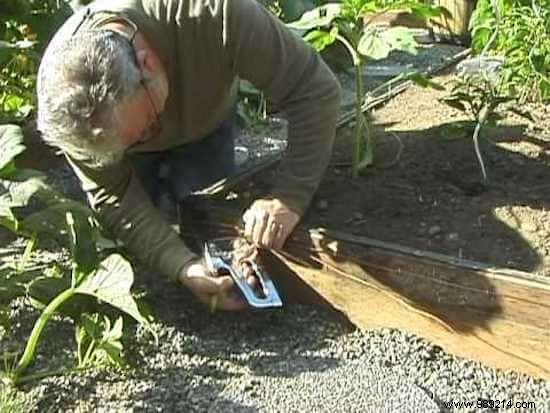
A low-voltage electronic fence, powered by a 9V battery (lasting ~8 months), delivers a harmless shock to slugs and snails. Safe for humans and pets, it's a reliable DIY barrier for beds. See the video tutorial here.
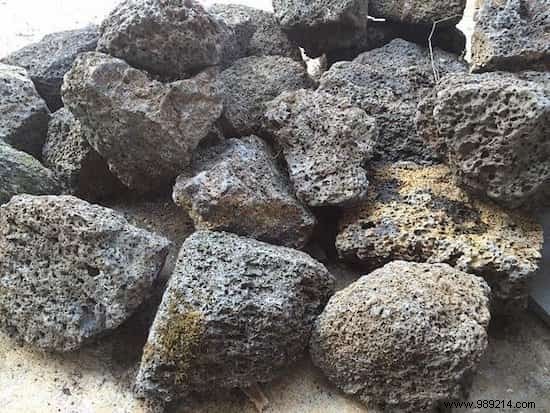
Volcanic lava's rough surface mimics diatomaceous earth. Spread around protected areas, ensuring no soil or plants bridge the gap—slugs hate crawling over it.
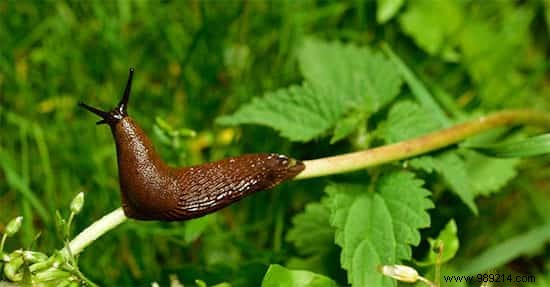
For heavy infestations, patrol at night with a flashlight and sprinkle salt directly on visible slugs. It's lethal but use sparingly—excess salt harms soil fertility.
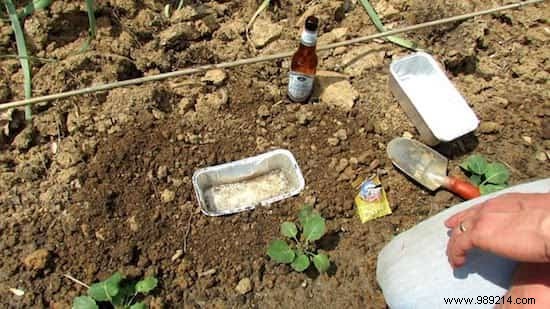
Slugs can't resist beer. Bury shallow pots with a bit inside, rim above soil. They fall in and drown. Shelter from rain with a propped lid for best results.
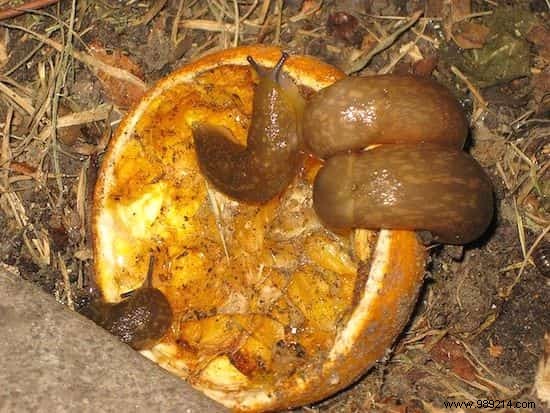
Slugs seek shade: invert pots on stones, use grapefruit halves (scent attracts), or lay boards/plastic sheeting. Check and collect by morning.
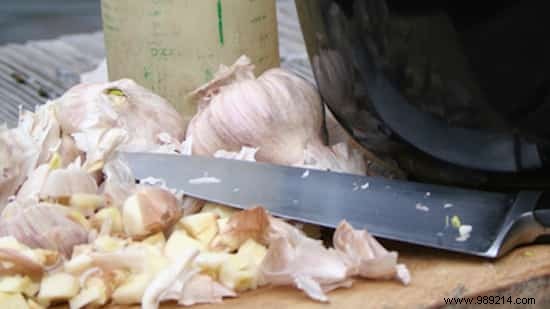
University of Newcastle tests confirm garlic repels slugs powerfully. Blend 2 garlic bulbs into 15 liters water; spray plants. Bonus: deters aphids too. Discover the trick here.
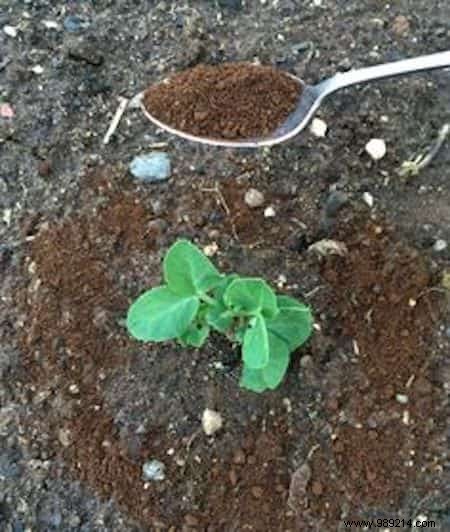
Fresh grounds fortify soil while repelling slugs—a Nature study links it to caffeine aversion. Use moderately; commercial caffeine sprays offer stronger protection. Check out the trick here.
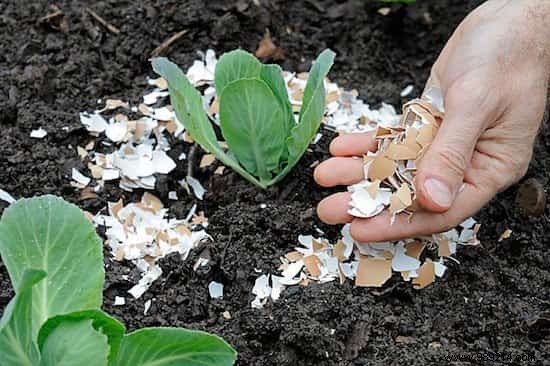
Dried, sharp eggshells form a barrier. Apply a thick layer around plants. Slugs avoid the razor-like edges. See the trick here.
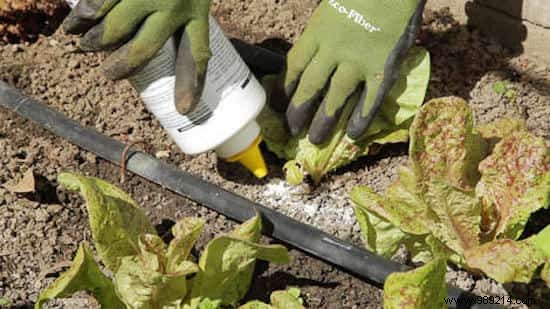
Garden centers offer OMRI-listed options like ferric phosphate—safe for wildlife, unlike sodium ferric. Apply broadly away from plants to draw slugs off-target. Check labels carefully.
Have you tried these natural remedies? Share your results in the comments—we'd love to hear what worked for you!
