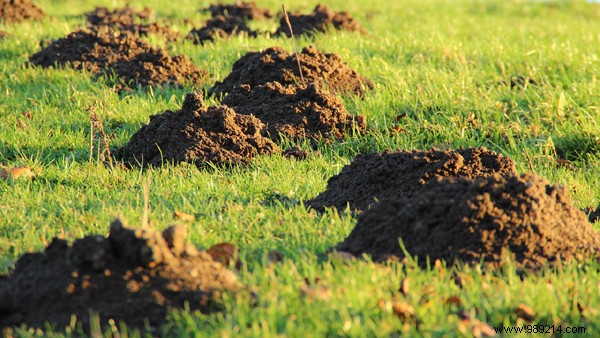
Nothing frustrates gardeners more than waking up to a landscape marred by mole tunnels and earth mounds, undoing yesterday's hard work.
As seasoned horticulturists, we've helped countless homeowners reclaim their yards. Here are effective, natural strategies to deter moles permanently without harming your garden ecosystem.
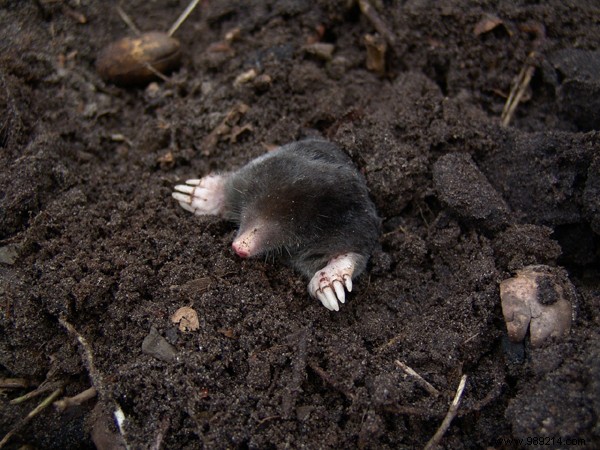
Moles are small mammals weighing about 100 grams and measuring 10-15 cm long, with powerful claws for digging and no visible ears. They thrive on insects like larvae, centipedes, slugs, and earthworms, tunneling underground to hunt.
Gardens attract them as prime feeding grounds, leading to destructive tunnels that uproot seedlings, sever roots, and ruin crops. Protecting your plants starts with knowing your foe.
Experienced gardeners rely on these eco-friendly techniques that pose no risk to people, pets, or the environment. Start by planting repellents like spurge, mole grass, garlic, daffodils, hyacinths, castor beans, onions, or fritillaries—their scents drive moles away.
An old trick involves scattering dog or human hair at tunnel entrances, mimicking predator presence. For sound deterrence, skip harsh ultrasonics; instead, stake rods with cans or plastic bottles that clatter in the wind, especially effective at night.
Castor beans also repel moles while enriching soil as fertilizer, but use cautiously—they can harm other wildlife.
Tempting as quick fixes may be, steer clear of harmful options. Mothballs, a common choice, are carcinogenic pesticides that don't biodegrade and endanger health.
Don't fall for myths like moles having hemophilia—scattering rose branches, razor blades, or glass won't work (that's a field mouse trait) and risks injuring beneficial wildlife.
