Did you know indoor air pollution can be worse than outdoor air? It sounds surprising, but it's true.
This pollution stems from everyday household products, allergens, and mold growth.
To combat it, ventilate your home for at least 10 minutes daily by opening windows wide—even in winter. This renews the air and clears pollutants. But there's more you can do.
Baking soda is a proven, natural ally against indoor air pollution. Here's why:
Why baking soda excels at improving indoor air quality:
Baking soda works on three key levels:
1. It replaces toxic household products.
2. It combats allergens.
3. It eliminates mold naturally.
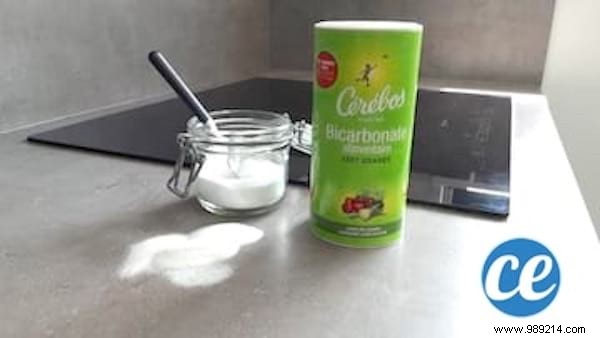
Many commercial cleaners and air fresheners contain harmful additives and preservatives that pollute indoor air and trigger respiratory issues. Some are as damaging to lungs as cigarette smoke, and mixing them can spark dangerous reactions.
Switch to 100% natural baking soda. It cleans, degreases, and deodorizes every surface—from countertops to bathrooms—without releasing pollutants.
Using baking soda for cleaning minimizes air pollution because:
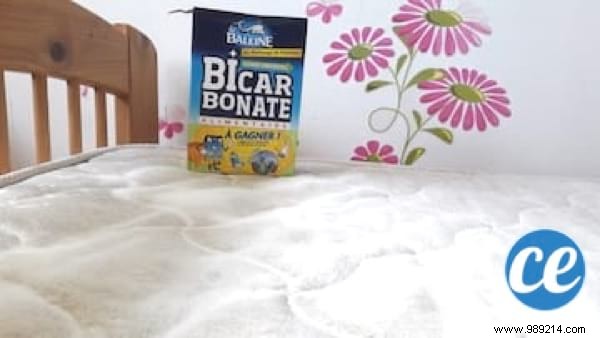
Dust mites, common allergy culprits, thrive in carpets, rugs, and mattresses, feeding on dead skin and producing irritating droppings.
Sprinkle 20 g of baking soda per square meter, brush it into fibers, leave for 4 hours, then vacuum. This inhibits mite growth and reduces allergens naturally.
Market anti-mite sprays often contain neurotoxic pyrethroids or organophosphates that linger in the air. Dust mites are developing resistance anyway.
Baking soda avoids toxic fumes and resistance issues entirely.
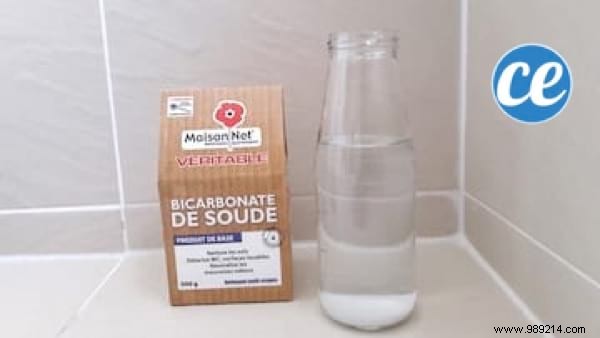
Mold flourishes in humid spots like bathrooms, releasing toxic spores and mycotoxins.
Baking soda's fungicidal properties stop it: Mix 1 teaspoon per liter of water (0.5% concentration) to prevent growth; use 6 teaspoons per liter (3%) to eradicate it. Wipe affected surfaces clean.
Unlike bleach, baking soda is non-toxic, eco-friendly, resistance-proof, and VOC-free—perfect for health and the environment.
For more on indoor pollution sources, impacts, and solutions, download our free Guide to Indoor Air Pollution.
Find it in supermarkets, organic stores, or online.
