Botanical name (genus): Forsythia
Family: Oleaceae (same as privet and olive tree)
Main species: europaea, suspensa, ovata, japonica, koreana, x intermedia, and more.
As an experienced horticulturist, I've noticed that species details are often omitted from plant labels at nurseries. Yet, each Forsythia species offers unique traits, particularly in growth habit or 'port'—ranging from erect to partially drooping—and heights from 0.5m to over 4m. Consider these when planning your garden layout for optimal results.
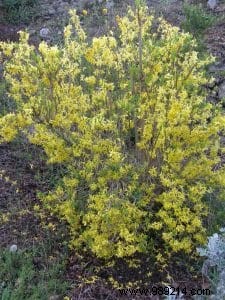
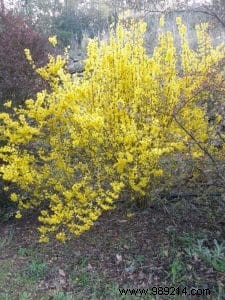
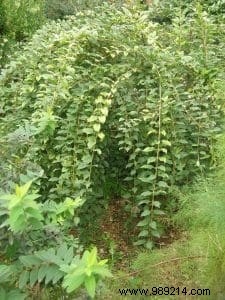
Forsythia often blends into the background until its explosive spring bloom—one of the earliest in the garden—on bare wood, delivering vivid yellow flowers that herald warmer days. Post-bloom, it produces matte green foliage that turns a stunning orange in autumn. In winter, the glossy brown branches reveal distinctive lenticels, those small corky projections.
This resilient plant thrives in ordinary soil, full sun or partial shade, and withstands harsh winters. Occasionally, vine weevils may nibble the leaves, common in the Oleaceae family. Without pruning, it becomes leggy after a few years. Avoid shaping it into unnatural balls, as seen too often in communal landscapes.
Prune immediately after flowering: Remove about one-third of the oldest central branches. Shorten flowered stems by two-thirds, cutting just above emerging new shoots—these will produce next year's blooms.
Observe the branches closely to spot these new growths for precise cuts.
Follow this link for examples of pruning mistakes to avoid.
Dwarf and groundcover varieties suit rock gardens, slopes, or containers. 'Golden Tide' and 'Dwarf Prostrata' offer brilliant color. 'Boucle d’Or' and 'Mélée d’Or' reach about 1m. Forsythia koreana 'Kumsun' stands out with its silver-veined leaves.