Reader question: My Indian lilac looks awful! The leaves are curling and drying up, and the flowers are a disaster. What's wrong?
Indian lilac, or Lagerstroemia indica, is prone to powdery mildew (also known as oidium), a common fungal issue that causes white powdery coatings, curled and dried leaves, and poor blooms. As experienced horticulturists, we've helped countless gardeners combat this with proven treatments.
Effective options include commercial fungicides, sulfur-based sprays on the foliage, or products designed for rose diseases (readily available at garden centers). Natural alternatives like horsetail manure, garlic decoction, or a simple mix of 10 parts water to 1 part milk also yield excellent results when sprayed regularly. Note: Copper-based formulas like Bordeaux mixture are ineffective against powdery mildew.
This fungus thrives in humid conditions—overcrowded plants, excessive foliage density, overhead watering, or evening irrigation that leaves foliage wet overnight. Water at the base in the morning to allow drying, promoting better airflow and health.
Powdery mildew favors mild, humid weather and affects a wide range of plants, including ornamentals, vegetables, fruit trees like apples, and even oaks, significantly damaging leaves and flowers.
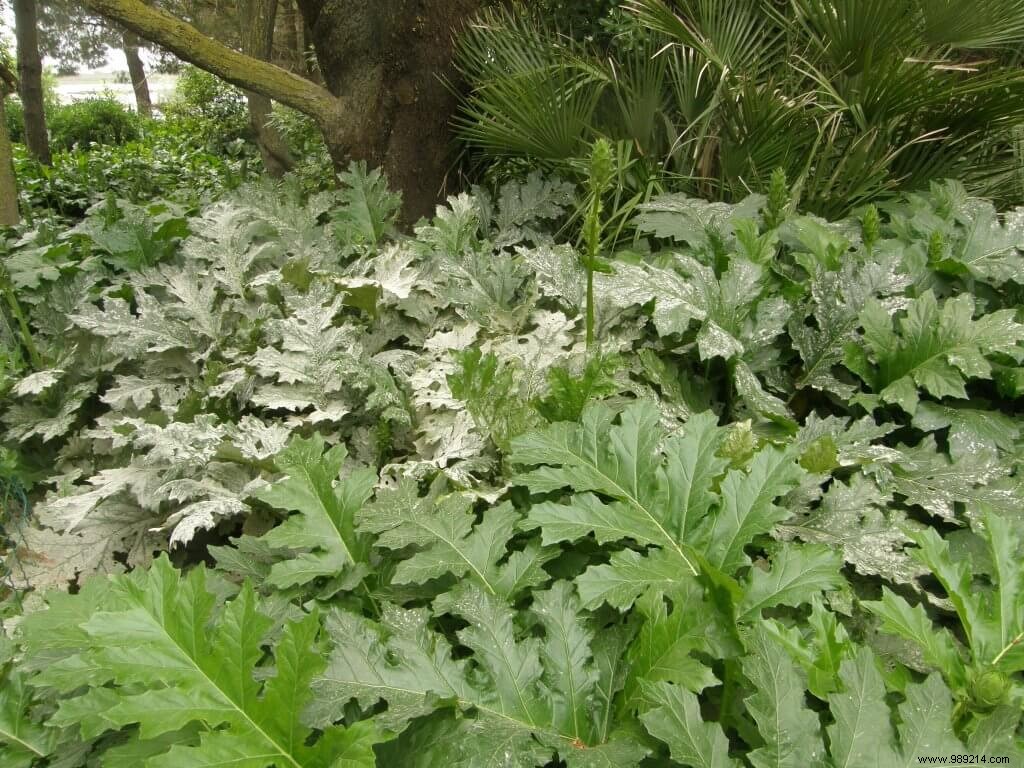
Powdery mildew on acanthus leaves
