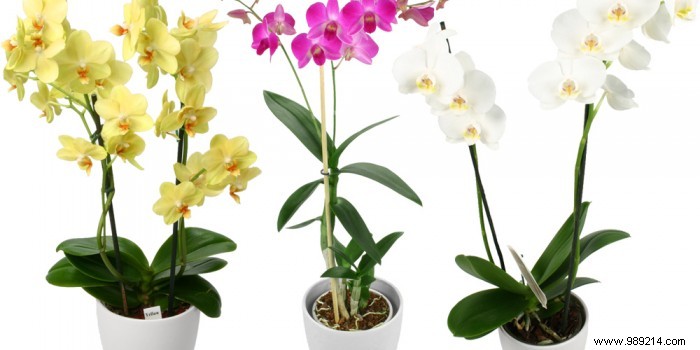
Orchids are elegant blooms that bring sophistication to gardens, vases of cut flowers, or potted in living rooms. As horticulture experts with years of experience nurturing these delicate plants, we've seen how proper selection ensures they thrive long-term, even through winter.
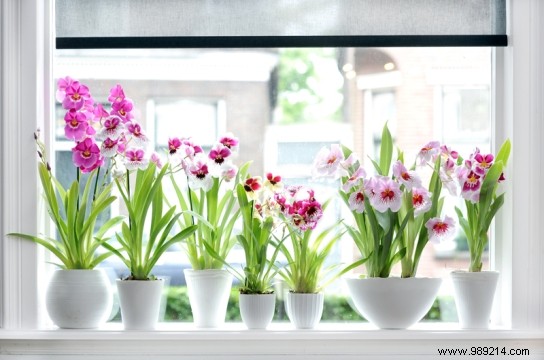
Start by examining the flower stem. A mature, robust stem signals a healthy orchid that's been well-grown and is ready to flourish in your care.
Healthy orchid leaves should be broad and upright. Their size directly reflects the plant's vitality and overall condition.
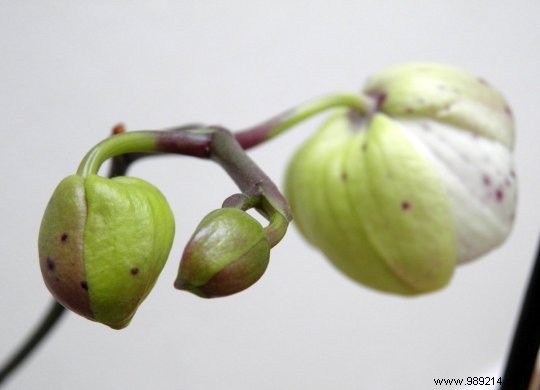
For lasting enjoyment, choose orchids with a mix of open blooms and abundant buds, promising future flowers. Opt for vibrant green ones over those with yellow or red spots, which may drop early.
Inspect the leaves closely: firm, glossy green leaves in pairs or triples indicate optimal growth. Yellow, limp leaves suggest overwatering, while elongated, narrow ones point to insufficient light.
 Roots are a key health indicator. Green roots mean vitality; avoid yellow, brown, or white ones, signs of poor care. Transparent pots make it easy to check beyond surface roots.
Steer clear of unusually colored varieties like blue phalaenopsis, often dyed—their natural reblooms won't match. True blue orchids, such as certain Vandus, are reliable exceptions.
