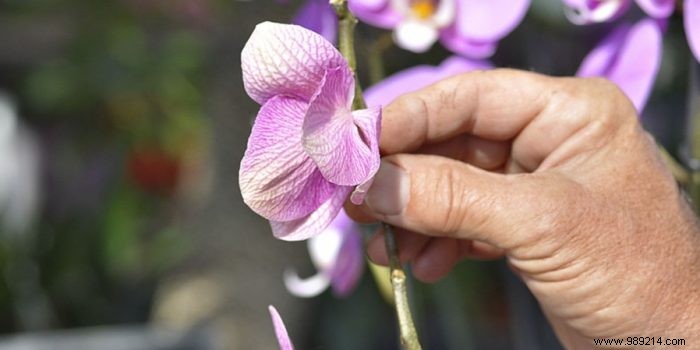
Orchids captivate with velvety petals, vibrant hues, and exotic shapes, making them a beloved houseplant. As epiphytes or lithophytes, they're adaptable indoors with the right care. Drawing from years of orchid cultivation, here are proven strategies to prevent wilting and promote thriving plants.
Orchids flourish in bright, indirect light, especially morning sun. Place near an east-facing window, shielding from harsh direct rays that scorch leaves. Steady temperatures away from heaters support robust flowering.
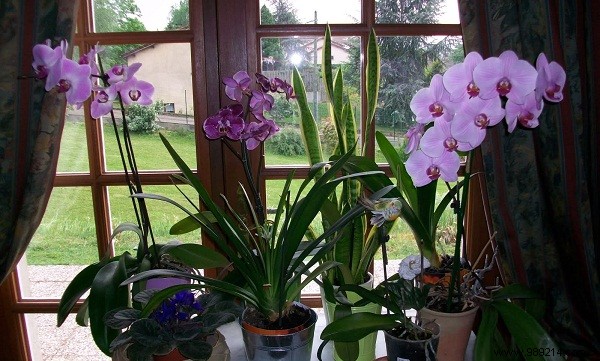
Species-specific needs vary: Phalaenopsis thrive at about 18°C, Cattleya and Odontoglossum at 13-15°C, Brassia, Cymbidium, and Oncidium at 10-15°C.

Water weekly with lukewarm, soft water to maintain even moisture. Frequency depends on pot size and room humidity—mist leaves periodically to fend off dehydration.
Extend your orchid's life by retaining its original pot initially. Allow roots to emerge before nesting in a decorative outer pot for repotting.
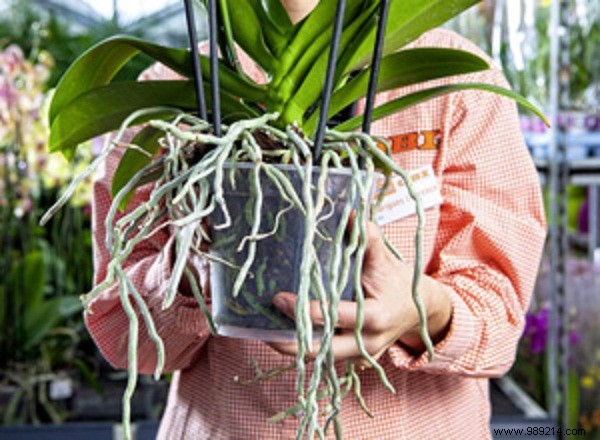
Select a modestly sized pot without burying aerial roots. Use a transparent plastic liner to monitor root health—they require light too. Fertilize every 3 weeks with orchid-specific liquid formula or seaweed extract.
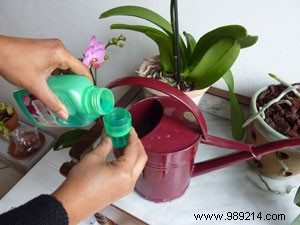
Liquid fertilizer
Mimic their tropical forest habitat with humidity: position over a saucer of water-retaining clay pebbles, ensuring roots stay elevated and dry.
Properly tended, orchids rebloom seasonally. Post-flower, trim spent stems just above a node using sterilized pruners. For fully dry spikes, cut low to spur new growth. Gently remove yellow leaves and shriveled roots with disinfected tools.
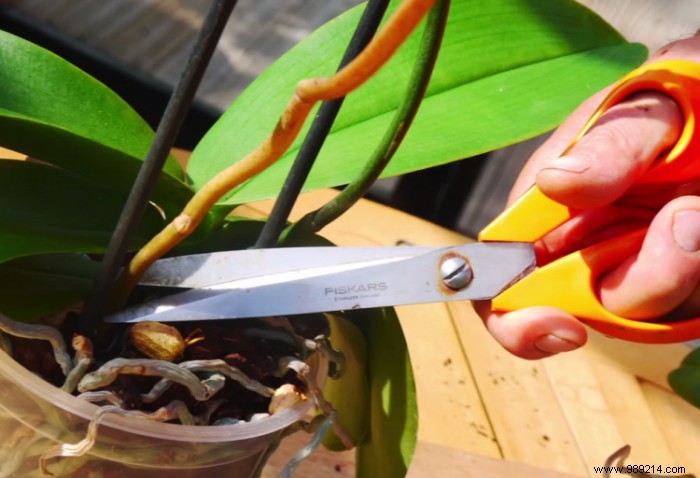
Phalaenopsis often yield a second flush: bend the spike above the second node from the base to trigger a shorter auxiliary bloom stem.
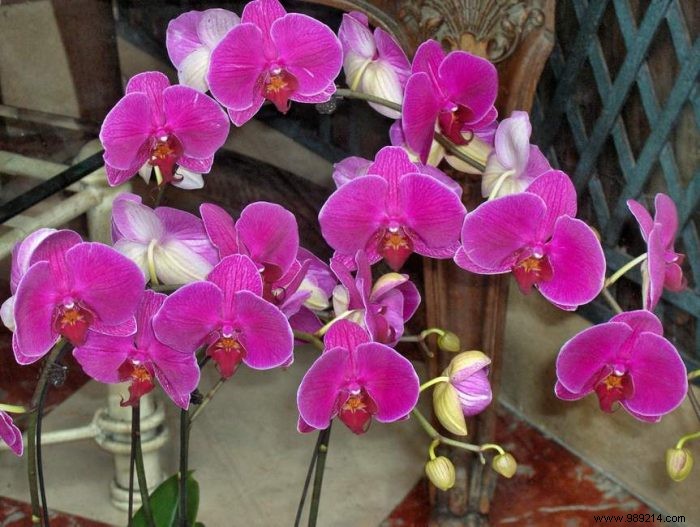
Phalaenopsis
Repot only after the medium fully dries. Center the orchid loosely in the new pot for airflow, securing stability without compaction. These expert practices deliver healthy, vibrant orchids all year!
Feature photo credit: Catherine Delvaux
