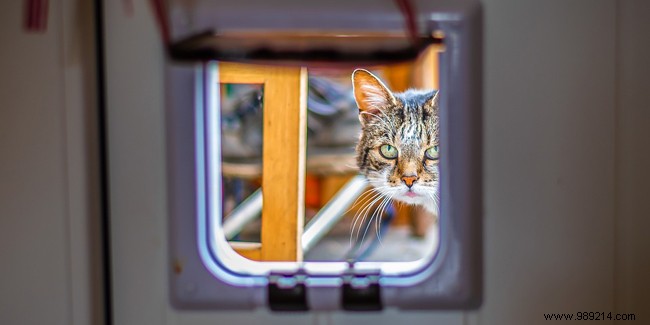
Cats thrive on independence, often wanting to roam freely indoors and out. Installing a cat flap offers the perfect solution, granting your feline friend autonomy while sparing you constant door-opening duties. With various types available, selecting the right one requires considering key factors like size, security, and durability. Here's our expert guide to finding the ideal cat flap for seamless comings and goings.
As cat owners know, felines crave freedom to explore both inside the home and outdoors. A cat flap empowers independent access, essential for their well-being.
Start by matching the flap to your cat's size for easy passage—typically installed 15 cm from the ground on doors. This ensures comfortable use without strain.
Next, decide on access levels: full entry/exit, one-way, or selective. Note that cats may need training—prop the flap open and use treats to encourage passage.
Many models feature auto-locking or manual controls for curfew times. Prioritize durable, weather-resistant materials to withstand daily use and elements, plus quiet operation. These flaps adapt easily to PVC, wood, or French doors.
Armed with these criteria, explore the market's options for the perfect fit.
The simplest and most affordable choice: a basic flap with manual lock. Easy to install and use, but it allows access to any cat—ideal only for low-stray areas.
A premium upgrade for security. These use infrared or magnetic collars to recognize only your cat, preventing intruders.
Programmable models let you set schedules—like locking at night but allowing morning exits. Equip your cat's collar with the sensor for reliable, exclusive access.
