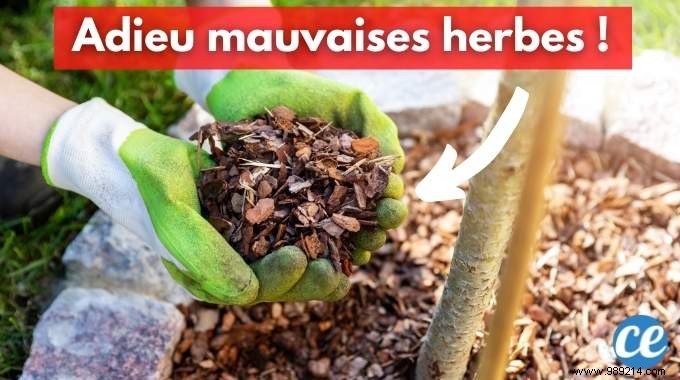
As any seasoned gardener knows, mulching is essential for thriving gardens.
Mulches excel at suppressing weeds, eliminating tedious weeding tasks. They also conserve water, keeping your flowers vibrant and boosting yields from fruits and vegetables.
Options range from organic plant materials and mineral stones to fabrics and films. In this expert guide, we cover everything about mulching—what it does and how to select the right type for your garden or vegetable patch.
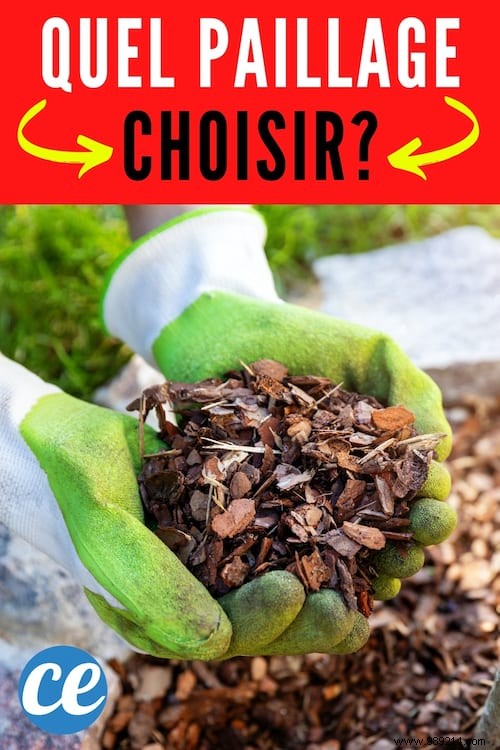
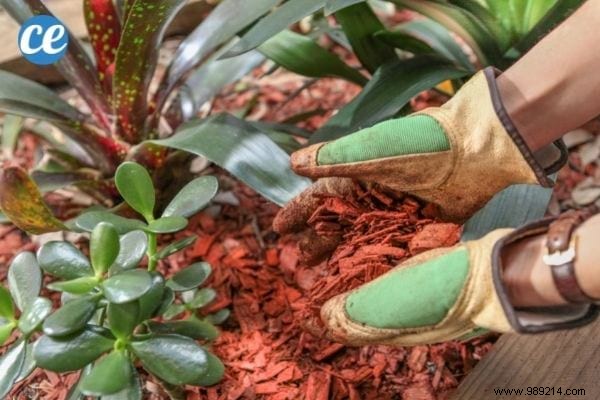
In nature, bare soil is rare—plants naturally cover it. Gardeners mimic this with mulching, covering soil with organic, mineral, or synthetic materials to nourish and protect it.
Apply mulch anywhere: around potted plants, orchard trees, or vegetable beds.
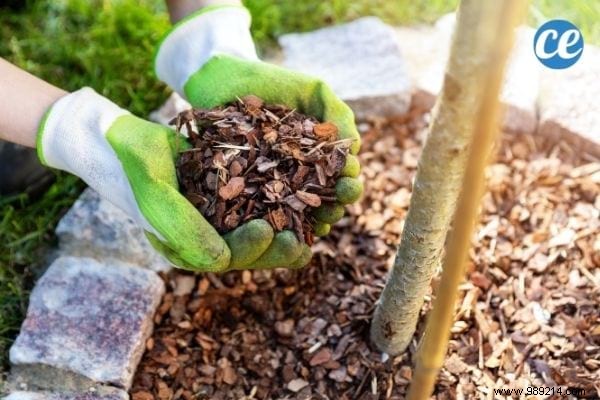
Mulching offers proven benefits:
- Nourishes soil and boosts microbial life. Organic mulches decompose, gradually enriching the earth.
- Suppresses weeds. By blocking light, it stops weed seeds from germinating—no herbicides needed.
- Maintains cool, moist soil. Shields from sun and wind, reducing evaporation.
- Cuts watering needs. Retains moisture, even in full sun.
- Keeps produce clean. Elevates plants off the ground, preventing mud splashes.
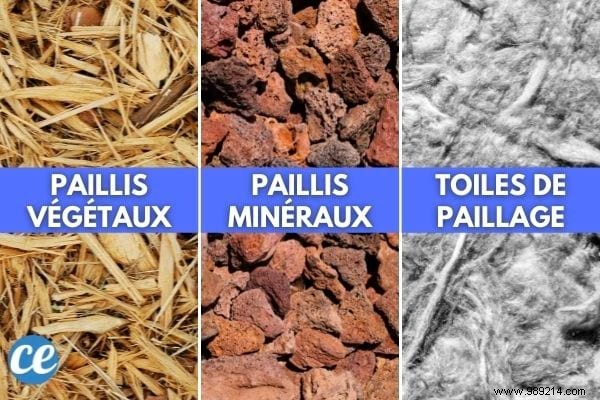
Three main categories:
- Vegetable mulches: Shredded leaves, hay/straw, grass clippings, compost, wood chips, pine bark, sawdust, pine needles.
- Mineral mulches: Pozzolan (lava stone), slate, crushed minerals.
- Fabrics, felts, and films: Woven geotextiles, plastic sheets, newspaper/cardboard.
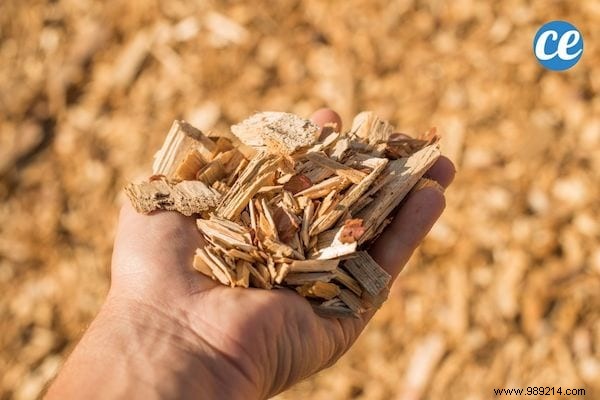
Wood chips offer lasting beauty and durability, lasting years. Ideal for flower beds, shrub borders, and paths—especially in shaded or wooded gardens.
Avoid for annual veggies or flowers; better for perennials, trees, and shrubs where replanting isn't frequent.
Source from garden centers, landscapers, or shred your holiday tree.
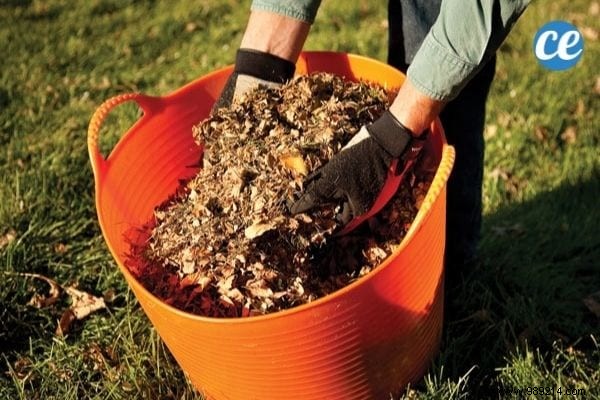
Got trees? Shred fallen leaves for free, nutrient-packed mulch. Use a lawnmower with catcher—no shredder needed.
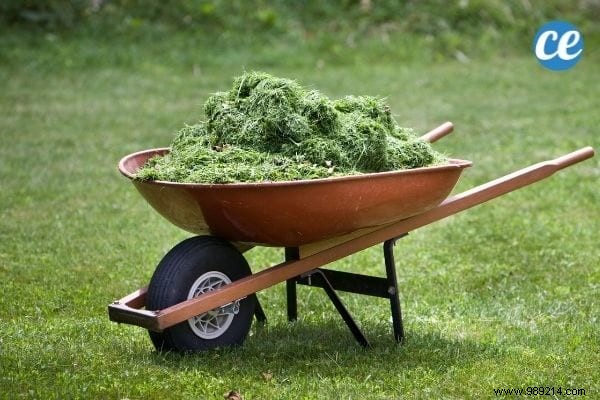
Grass clippings are free, abundant, and recyclable. Nitrogen-rich, they feed soil as they break down. Dry first to prevent mold. Click here to find out how.
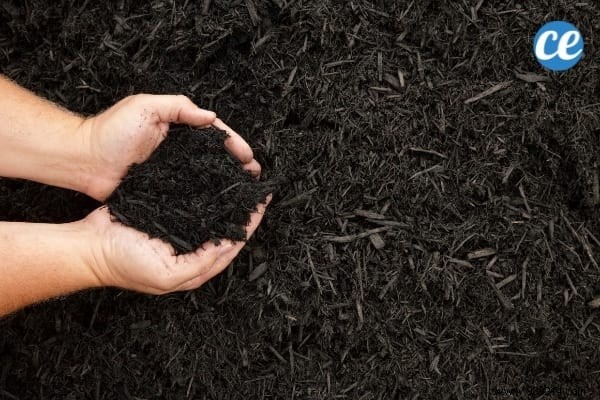
Excess compost? Use it as top-dressing mulch to enrich soil. Keep it moist—top with leaves for best results. Yields healthier plants and bigger harvests. Click here for beginner compost guide.
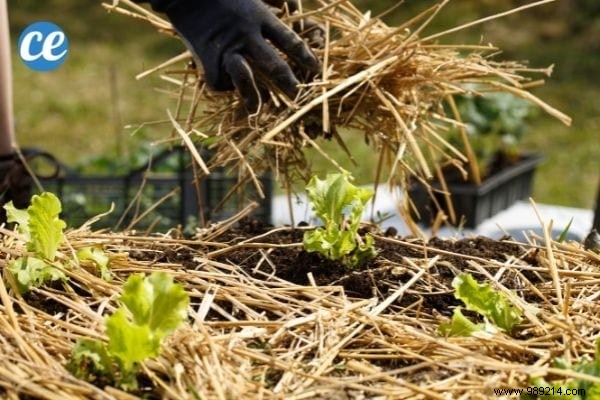
Top choice for veggie patches—straw inspired the term "mulching." Keeps produce clean, retains moisture (less watering), blocks weeds, and adds humus.
Buy seed-free, organic from farmers. Avoid heaps at bases to deter slugs/rodents.
Non-decomposing and long-lasting, mineral mulches suit dry-loving plants like rockery species. They warm soil but don't enrich it or retain moisture well—best for fertile ground focused on weed control.
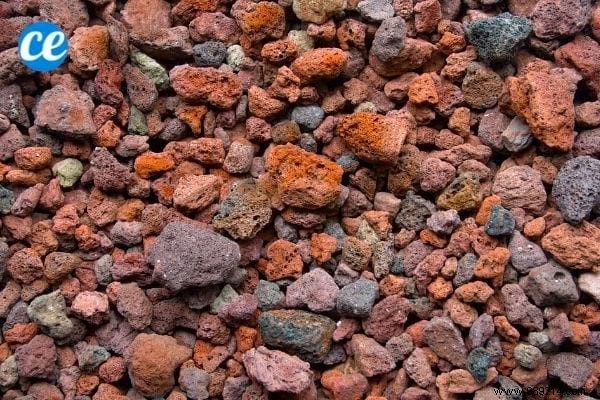
Pozzolan (lava stone) is lightweight, porous, and decorative (red-black tones). Reduces weeds, insulates roots from frost. Available at garden stores.
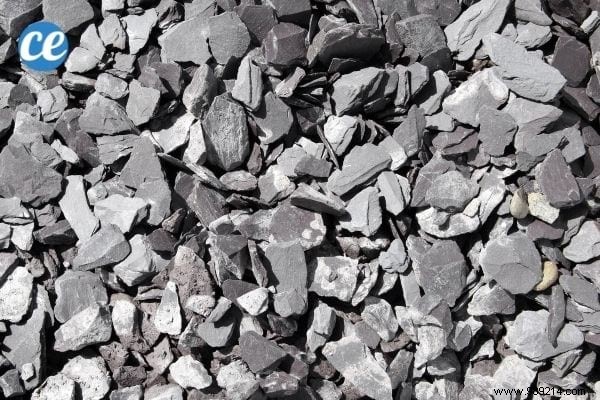
Crushed slate is elegantly refined. Alternatives: crushed brick, clay balls, gravel. Mix colors for stunning designs.
Practical for large areas or young trees/shrubs, though less attractive.
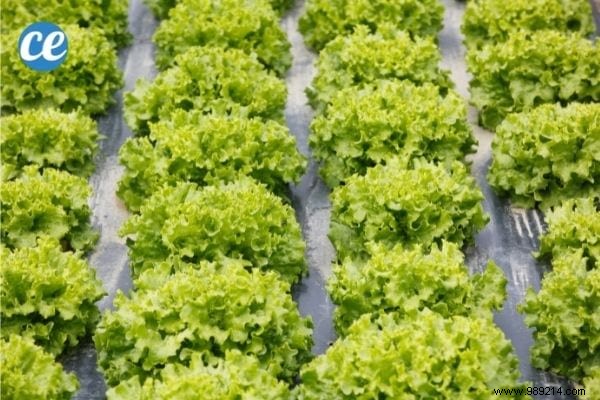
Black plastic warms soil via sunlight—perfect for pros minimizing maintenance. Great for strawberries, melons, cucumbers; prevents rot, weeds, and dries fruit.
Drawbacks: non-biodegradable, unsightly.
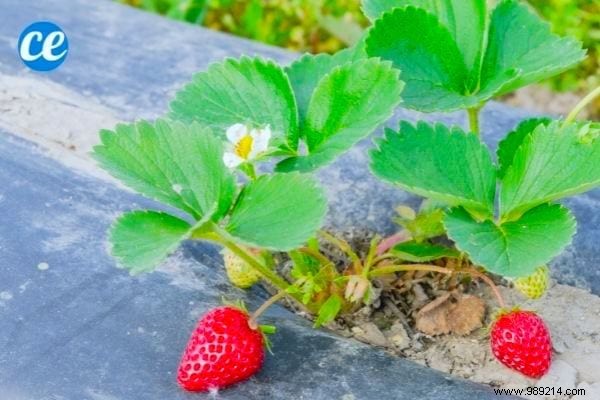
For raised beds: Weed, lay film, secure edges, cut holes for plants. Pre-water; use bottle drips (click here), seep hoses, or drip systems.
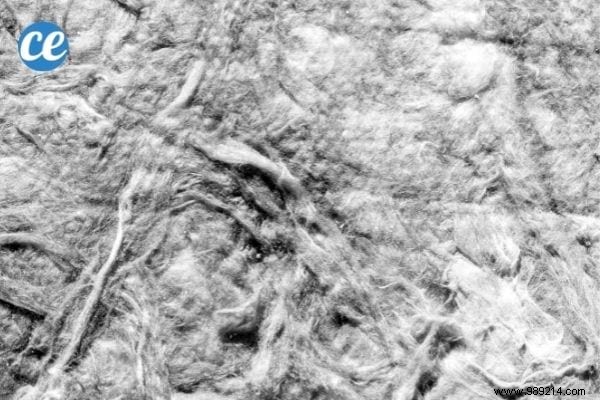
Natural fibers (coconut, jute) are biodegradable, allow air/water passage, block weeds.
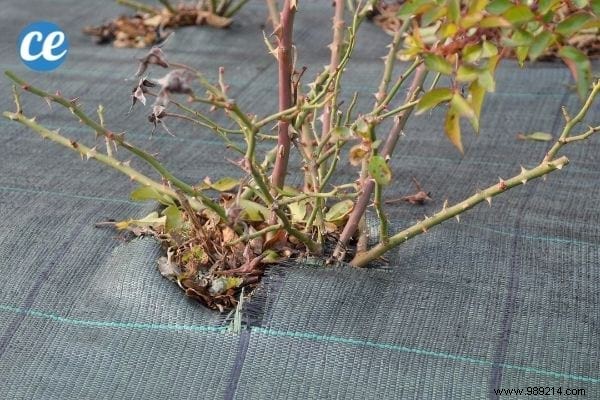
Costly, degrade in 2 years—cover with mulch for longevity and looks.
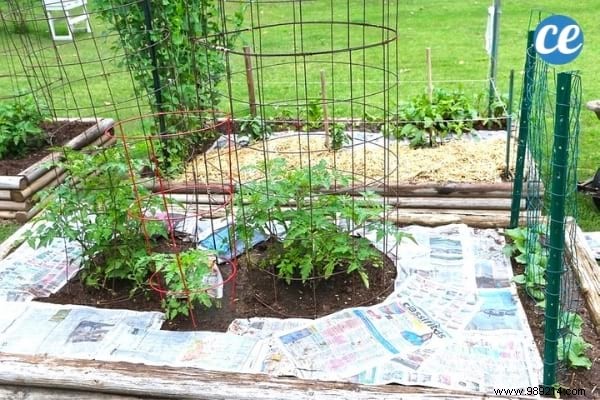
Budget-friendly for moisture and weed control. Replaces annually; top with mulch for aesthetics. Avoid colored inks. Click here for the trick.
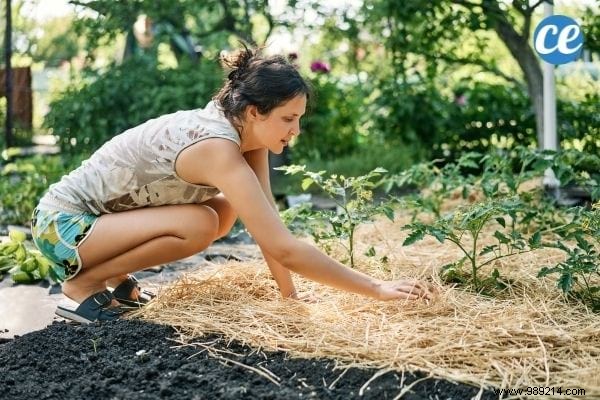
Key rules:
1. Weed thoroughly first. Mulch prevents new growth, doesn't kill existing.
2. Apply 6-8 cm thick (2-3 cm for young/shady spots). Water before/after.

- Weed-heavy soils: Layer newspaper under plant mulch.
- Spring: Clear mulch from perennials/bulbs for faster warming.
- Refresh annually, especially fall for winter protection.
- Never bury crowns—risks rot/rodents.
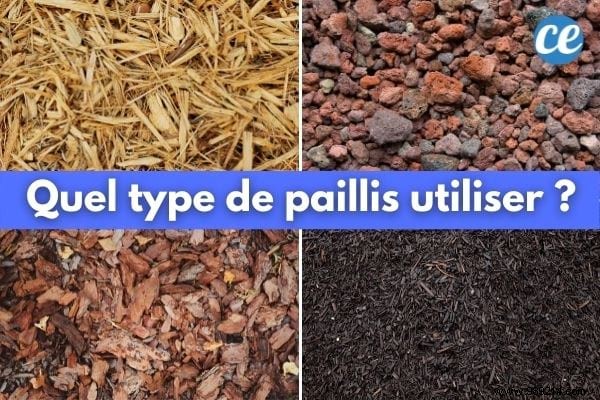
Match to soil, plants, goals, budget. All suppress weeds on clean, thickly mulched soil.
Organic: Decompose to feed soil.
Mineral: Durable, non-enriching—great for rich soils/weed focus.
Synthetic: Like black film for heat-loving crops (eggplants, tomatoes).
