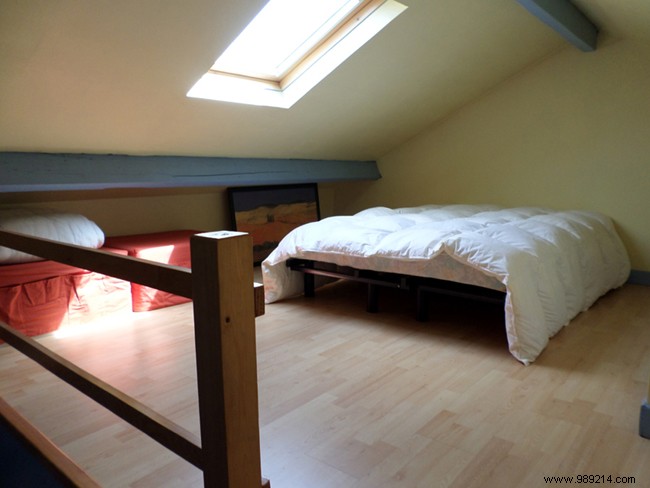
Converting your attic can unlock valuable extra living space. With years of experience advising homeowners on renovations, I recommend thorough preparation—covering permits, inspections, hiring, budgets, and usage—to ensure a seamless project without costly surprises.
Attic conversions must meet specific regulations. Key guidelines include a minimum ceiling height of 1.80 m and a roof slope of at least 30%. For spaces up to 20 m² with windows, a simple prior declaration suffices; larger areas require a full building permit. If your home exceeds 170 m² post-conversion, hiring an architect is mandatory.
Conduct a thorough inspection under the roof to assess strengths and weaknesses. Diagnose the structure for solid condition, no leaks, and adequate insulation. Evaluate floor quality and access points. This detailed assessment lists required tasks upfront, preventing disruptions mid-project.
Your inventory will reveal the scope. For major structural jobs—or even smaller ones beyond your skills—engage certified professionals to guarantee quality and compliance. As an experienced renovator, I advise pros for peace of mind. Confident DIYers can tackle simpler elements, but always prioritize safety and standards.
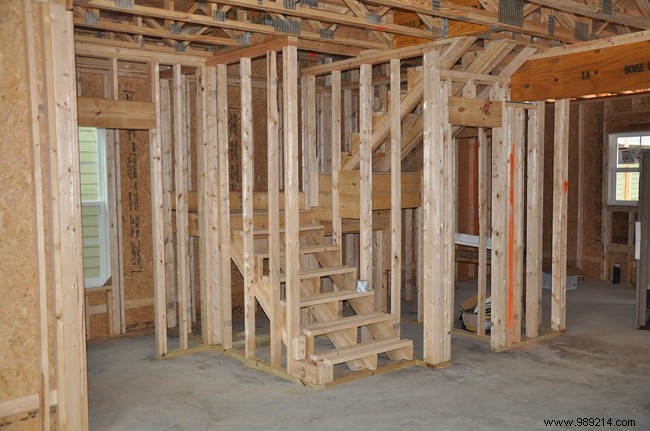
DIY saves significantly and builds satisfaction, but plan meticulously. List materials, tools, and extras; price them out for a realistic budget. This keeps you on track. Factor in potential material cost hikes for delayed starts. For pros, obtain multiple quotes to compare and secure the best value.
Attics often become bedrooms, playrooms, offices, or media spaces. Define the purpose early to meet standards—like secure access for kids or optimal lighting for workspaces. These details shape the layout, ensuring functionality and safety from the start.
Thoughtful preparation like this delivers a professional attic conversion that enhances your home for years. Trust the process for results you'll love.
