A well-designed kitchen promotes seamless functionality and comfort, making it easy to move, store items, and prepare meals. By following these five proven space planning rules, drawn from ergonomic best practices used by professional designers, you'll create an efficient and enjoyable cooking space.
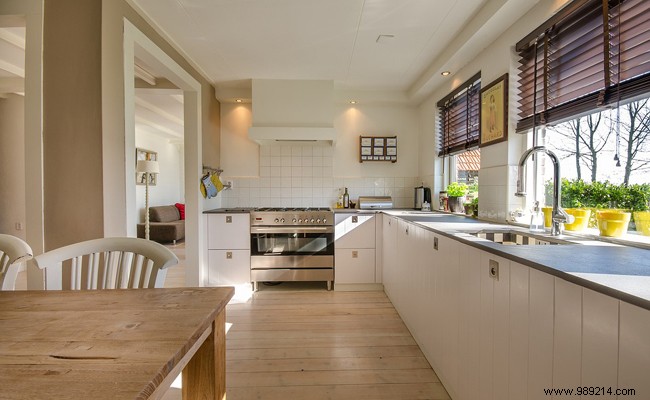
The kitchen work triangle—linking the refrigerator, sink, and cooking area—forms the core of effective layout. These high-traffic zones should connect in a triangle, with ideal distances between points equal to about twice an arm's length (roughly 120-150 cm). Maintain at least 60 cm between the hob and sink to ensure safe workflow.
Dishes get handled multiple times daily, from table to trash, sink, dishwasher, and storage. Position these elements logically: near the dining area for drop-off, with easy access to waste disposal, rinsing, and cabinets. This thoughtful flow keeps your kitchen practical and clutter-free.
Meal prep often happens in low light, especially evenings, so prioritize illumination. Maximize natural light via windows, but supplement with strategic bulbs—particularly energy-efficient LEDs under cabinets—for task areas. These not only enhance visibility but integrate seamlessly into modern decor.
Whether compact or spacious, kitchens demand clear pathways. Allow at least 70 cm in front of cabinets for solo use, expanding to 90 cm for appliance access and door swing. For shared cooking, aim for 120 cm to accommodate two people comfortably.
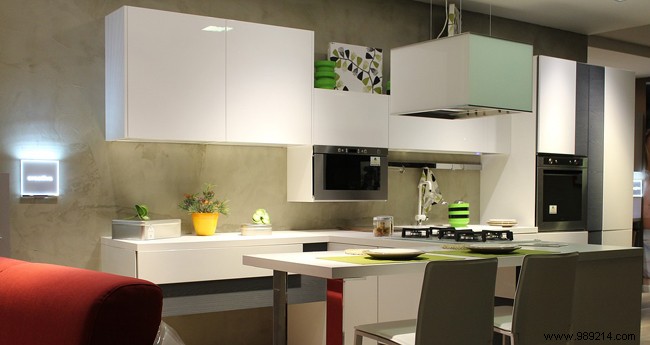
Standard heights ensure safe, comfortable use: position the hood at least 60 cm above the hob; set worktops at 85-95 cm high with 60 cm depth; bars at 110-115 cm; and upper shelves no higher than 220 cm from the floor. These guidelines, rooted in decades of design expertise, minimize strain and accidents.
As the heart of the home, a thoughtfully planned kitchen can make or break a property's appeal. Invest time in its design for lasting satisfaction.
