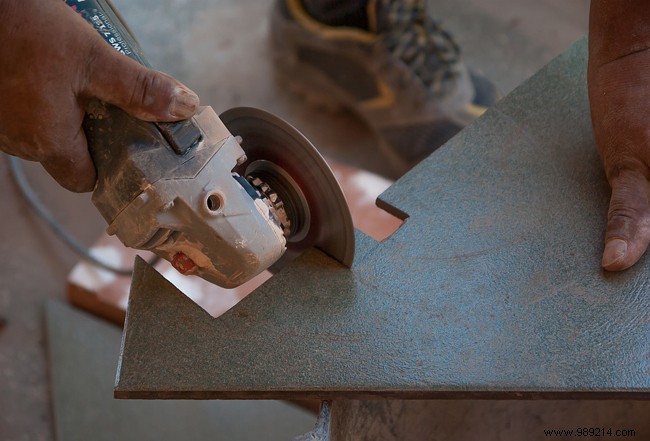
Your kitchen floor looks dated and uninspired since you haven't renovated since moving in. It's time for an update—and yes, laying new tiles over existing ones is a practical option used by professionals.
Laying tiles over existing tiles is a proven method with clear benefits: significant cost savings, reduced downtime, and avoidance of the labor-intensive demolition process. Removing old tiles risks damaging surfaces, especially walls, and can take weeks.
With pros handling it, you could enjoy your refreshed space in just 2-3 days—perfect for hosting friends to admire the transformation.
While DIY appeals if you're handy, we strongly recommend a professional tiler for older floors. Proper assessment is crucial: evaluate height loss (vital for low ceilings), old tile stability, levelness, and floor strength to support the added weight. Tile thickness will depend on these factors—rushing leads to failures.
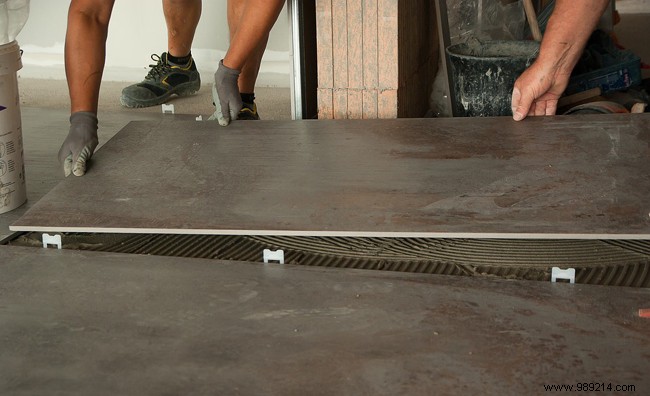
If you're set on DIY despite the moderate challenge, follow these expert steps meticulously, starting with thorough surface prep for optimal adhesion.
Kitchens endure heavy traffic and grease splatters, so basic soap won't cut it—degrease the tiles and grout lines using a specialized cleaner from your local hardware or online supplier.
Inspect for cracked or loose tiles; remove and discard them. Fill gaps with cement or leveling mortar. Tap each tile with a rubber mallet—hollow sounds mean lift and resecure them.
Mix tile adhesive to a thick yet workable paste with warm water. Dampen the surface before applying for superior bonding. Finish with grout for a seamless look.
