
Common culprits like food scraps, hair buildup, hardened soap scum, and grease often clog drains, causing slow drainage, standing water, or foul odors. As experienced plumbers know, mechanical tools, natural remedies, or targeted chemicals can restore flow effectively and safely.
Your first step: inspect the siphon under the sink. If you're up for it, place a bucket below, unscrew the U-shaped pipe, and clear out accumulated debris. This simple DIY fix resolves many minor clogs.
A trusted tool is the plunger. Create suction with vigorous up-and-down motions over the drain in your sink or tub. Pro tip: for multi-opening setups like double sinks, plug all other drains to maximize effectiveness.
For persistent blockages, reach for a drain snake (ferret). This flexible rod with a spiked end and crank rotates into the pipe to hook and break up obstructions. Withdraw it slowly to pull out debris and free the line.
Boiling water is a simple, effective start for light grease or soap clogs. Empty standing water first, then pour a large pot of very hot water down the drain to dissolve buildup.
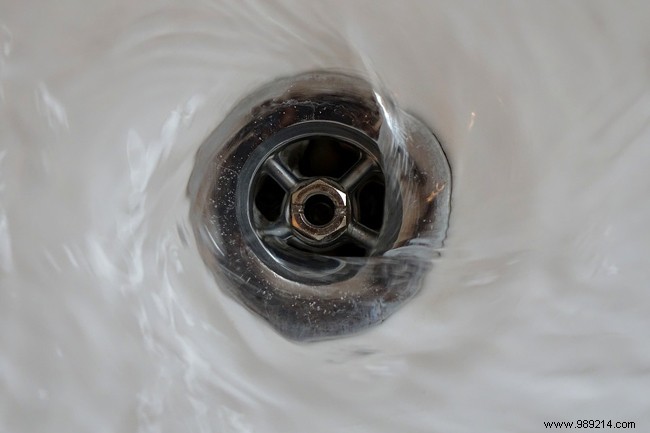
Create a powerful eco-friendly cleaner: combine 200g baking soda, 200g salt, and 20cl white vinegar. Pour the mixture into the drain, wait 30 minutes for the fizzing reaction to work, then flush with boiling water to disintegrate the clog.
Reserve chemical drain cleaners for tough cases after trying mechanical and natural options. These can harm pipes if misused, so always wear protective gloves and follow instructions precisely.
Available in liquid or powder form at supermarkets or hardware stores, powders are generally less corrosive and plumber-preferred. Use sparingly to avoid long-term pipe damage.
