Your kitchen feels dated and out of sync with your home's style? Refresh it affordably by repainting the cabinets. Follow our proven steps from experienced DIY pros to achieve professional results on a budget.
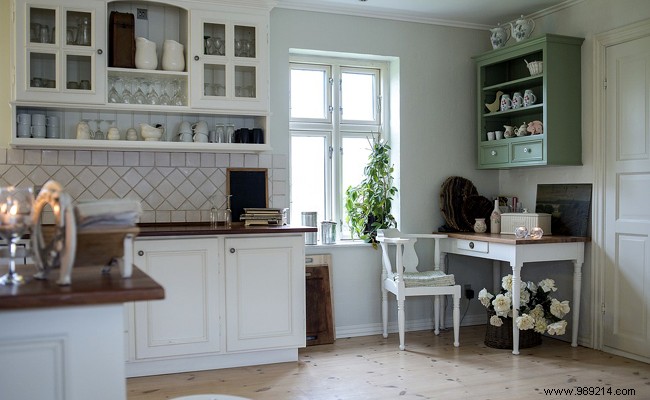
The kitchen is the heart of the home, where families gather to cook and share meals. It should feel inviting and warm, but fully renovating can be costly—especially in a new home or with older installations. Repainting offers a smart, budget-friendly way to modernize without a full overhaul.
A trendy new color revives the space, enhances your well-being, and harmonizes with your overall decor. We've helped countless homeowners transform their kitchens this way.
Yes, virtually any kitchen cabinet material—wood, tile, ceramic—can be repainted using modern products from DIY stores.
Common targets include cabinet doors, countertops, and credenzas. Extend to tables, chairs, and sideboards for a cohesive refresh. Skip appliances like ovens or microwaves, but use large stickers for fridges.
Kitchens endure heavy use: impacts, grease, and spills. Opt for durable, washable paints that withstand daily demands.
Resin-based paints excel on doors—thick, impact-resistant, and easy to clean. For best results, select paints formulated specifically for kitchen renovations; they often skip priming or stripping, saving time and ensuring adhesion.
Success comes from methodical preparation and application. Here's our expert process.
Protect surfaces and disassemble for precision.
Remove doors, drawers, and hardware. Lay them flat on drop cloths or boards. Empty contents first.
Cover floors with tarps or sheets. Mask edges with painter's tape where colors differ, like countertops or backsplashes.
Proper prep ensures lasting results.
Lightly sand for adhesion using fine-grit paper—avoid exposing raw wood. Skip heavy sanding with kitchen-specific paints; just remove loose flakes.
Fill dents or cracks with wood filler or putty. Sand smooth once dry.
Degrease thoroughly—kitchens accumulate grime. Use soda-based cleaners or a baking soda solution (1 handful in 2 liters hot water). Scrub, rinse, and dry completely.
Now for the transformation.
Use rollers for flat surfaces (fine-pile for resin paints). Brushes or sprayers for details and moldings.
For non-kitchen paints or raw surfaces, prime first for better adhesion and true color.
Two coats minimum. Apply evenly, following can dry times between coats for flawless coverage.
Allow full curing (several days) before water exposure. Wipe regularly with a soft cloth to preserve the finish and keep your kitchen looking new.
