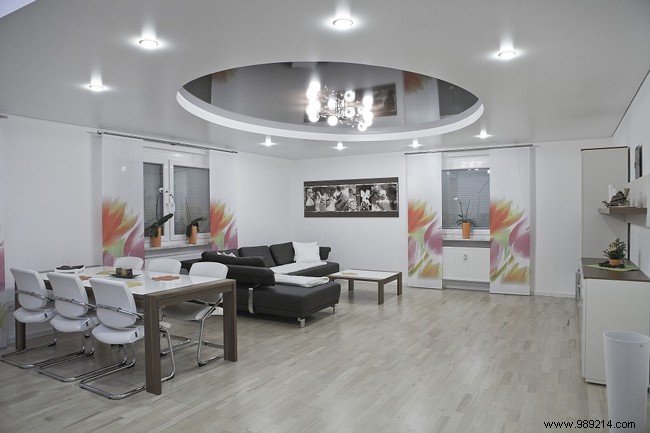
Nothing detracts from a room's appeal like a damaged ceiling. Full renovations can be disruptive and costly, but installing a false ceiling offers an effective alternative. As experienced home renovation professionals, we've seen firsthand how this solution transforms spaces. Before proceeding, let's examine its key advantages and drawbacks.
Over time, ceilings suffer from poor installation, water damage, neglect, or age, creating unsightly flaws that draw immediate attention upon entering a room. A false ceiling hides these issues without invasive work. Options like suspended, stretched, or self-supporting designs adapt to your needs and style, delivering flawless results with minimal effort.
Contemporary decorators favor false ceilings for their ability to refresh and modernize interiors. Stretched ceilings, made from PVC canvas fixed to aluminum or PVC rails, allow creative shapes like waves, vaults, domes, or curves. Choose from satin, matte, translucent, lacquered finishes, or printed fabrics mimicking marble, crystal, or wood for a sophisticated touch.
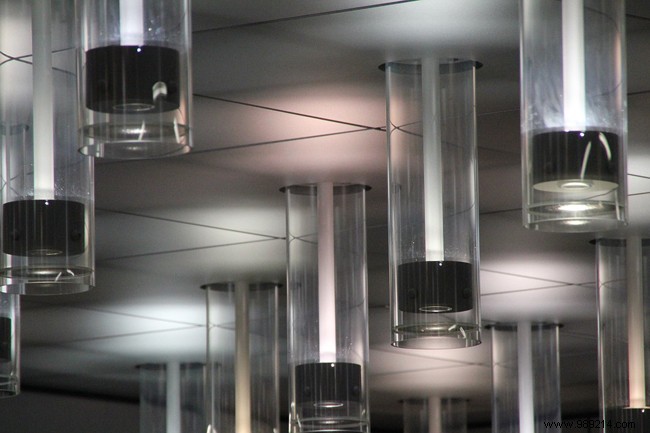 A common myth is that false ceilings are prohibitively expensive. In reality, they save money by avoiding major ceiling overhauls. Plasterboard, a popular material, costs 10-15 euros per m². Prices vary by complexity and type—stretched models range from 50-100 euros per m²—but the long-term value is clear from our projects.
Suspended and stretched ceilings demand consistent care to stay pristine. In high-traffic or smoking areas, they yellow quickly. Damage from sharp objects is hard to repair at home, especially on delicate stretched surfaces, potentially leading to costly professional fixes.
While effective short-term, false ceilings can conceal serious problems like structural damage, acting as a temporary fix. Savvy homebuyers may view them suspiciously, potentially lowering resale value if the hidden ceiling is revealed during inspections.
