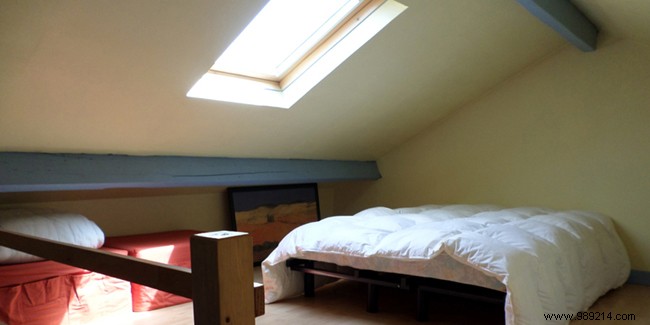
As experienced home renovation professionals, we've seen firsthand how attic conversions maximize living space and significantly increase property value. Success starts with thorough preparation, including key administrative steps we'll detail below.
Depending on the project's scope, you may need to file a prior declaration with your local town hall—especially for changes affecting the exterior, like roof shape, windows, or structure. In protected zones, approval from the Architectes des Bâtiments de France is required. For habitable areas exceeding 20 m², a full building permit is mandatory.
Not every attic qualifies for livable use. A minimum ceiling height of 1.80m is ideal for comfortable living space. Below that, repurpose it for storage or built-in cabinets. If you can stand upright even slightly under this height, it's worth exploring. Traditional roof frames often need treatment and insulation—consult a structural expert for a reliable assessment.
Proper insulation ensures year-round comfort. Combine interior roof insulation with heating, ideally by extending your central system. Opt for healthier, eco-friendly materials like wood wool or cellulose wadding panels over glass wool. These excel in roof insulation, thermal performance, and soundproofing—perfect for the new floor below. Add natural expanded cork panels on the floor for superior acoustic isolation.
Lighting options depend on existing features. Transform a dormer or old attic door into a double-glazed window. Without openings, hire pros to install roof windows on the slopes—they flood the space with natural light. Equip them with tinted glazing or blackout blinds to manage summer heat.
Access is crucial: choose a fixed or retractable staircase, or a compact folding attic ladder based on your space and needs.
