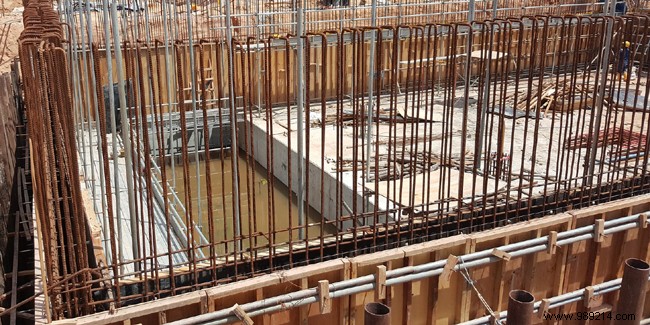
Decennial insurance, also known as 10-year liability coverage, holds builders accountable for the sites they've managed—for a full decade. This essential policy protects structural elements like foundations and load-bearing components, but excludes fittings and finishes.
Builder liability isn't new; it traces back to the 1804 Civil Code. Over the years, legislation has evolved to better safeguard homeowners, with specialized insurance like decennial coverage providing robust protection against major defects in new builds or renovations.
If construction defects emerge that compromise a building's solidity or make it uninhabitable, the builder—whether developer, contractor, engineer, architect, or technician—bears responsibility. This 10-year guarantee starts from the written acceptance of the project and runs for a non-negotiable decade. Homeowners must request the insurance certificate before work begins; without it, claims can't proceed. More details on the insurance here or here.
Not every flaw triggers decennial coverage. It applies only to severe defects threatening the structure's integrity or inseparable equipment, or rendering the building unfit for purpose—typically affecting major elements like roofs, walls, or frameworks. Removable items such as plumbing, doors, or windows are excluded, as are purely cosmetic issues like minor cracks with no structural impact.
Don't confuse decennial insurance with professional civil liability, which covers injuries to third parties or general material damage during work. It also differs from the 2-year guarantee (for detachable equipment like coverings or windows) and the 1-year perfect completion guarantee (for workmanship defects).
Damage insurance, taken out by the property owner rather than the builder, offers an alternative. It covers 10-year-type damages, enabling faster compensation if disputes delay standard claims.
