Everyone wants to lower energy costs and utility bills. At home, this starts with smart technology and efficient solutions like LED lighting.
Light Emitting Diodes (LEDs) stand out as one of the most energy-efficient lighting options available today. Their popularity surges from real-world savings on energy, costs, and environmental impact. But how much can you truly save, and is the switch worthwhile?
For nearly a century, we've relied on incandescent bulbs lasting about 1,000 hours. This wasn't due to technological limits but a historical cartel among manufacturers who shortened lifespans to sustain sales—a fact well-documented in industry history.
Modern incandescents match 1920s models in longevity, far below earlier designs.
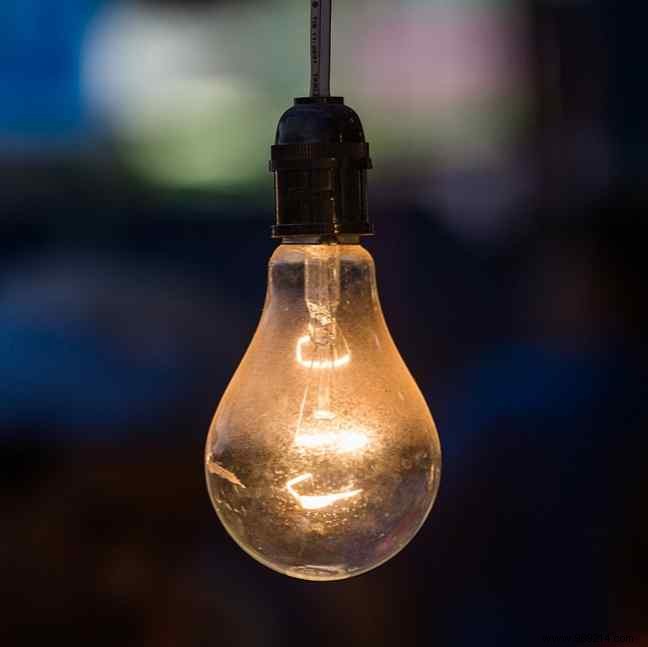
The 1970s energy crisis and growing environmental awareness drove innovations. Consumers are now benefiting, with compact fluorescent lamps (CFLs) arriving in the mid-1990s as an early alternative.
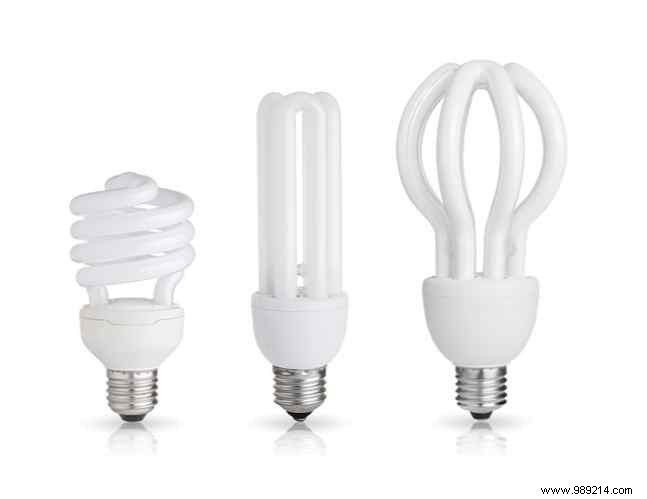
CFLs offer notable savings but face drawbacks:
Manufacturers are phasing out CFLs for superior, affordable LEDs. Innovations like LED strips and smart lights open creative home decor possibilities.
LEDs, once pricey and cool-toned, have improved dramatically. Costs plummet while warm, full-spectrum light rivals incandescents.
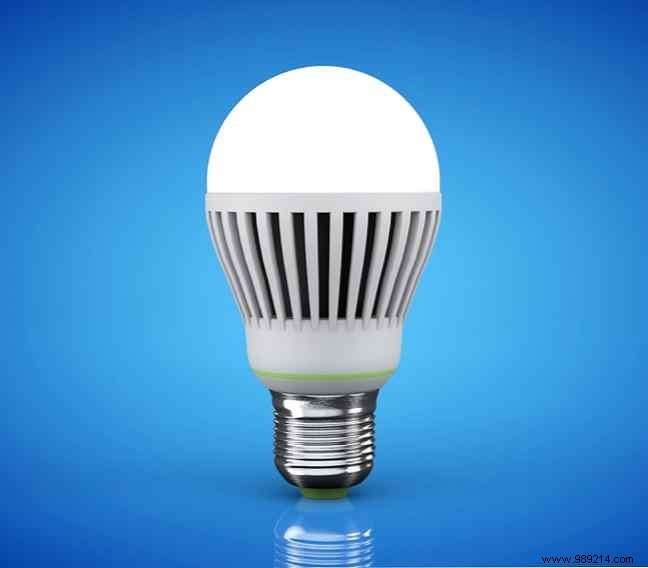
LEDs cost more upfront but excel long-term. Typical figures:
LEDs last 20-25 times longer with far lower operating costs.
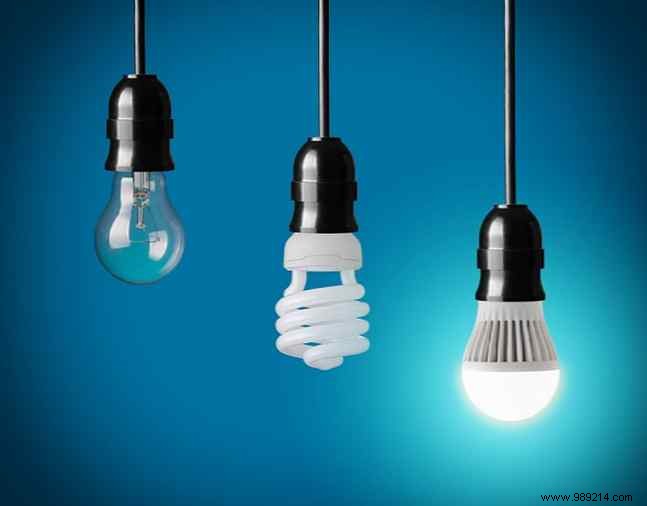
Over an LED's life: $8 on bulbs + $50 electricity. Incandescents: $18.75 bulbs + $300 electricity. CFLs: $9 bulbs + $75 electricity.
For a three-bedroom home with 16 fixtures, savings hit $4,800 over 25 years—about $200 annually. Multiply for larger homes. Plus, fewer replacements save time.
Based on U.S. average $0.10/kWh; higher rates amplify savings. In hot climates, LEDs' low heat cuts AC use. Colder areas see minor heating offsets, but net gains persist. Only constant electric heating might limit energy savings—yet bulb costs drop.
The choice is clear: Replace failed incandescents and CFLs with LEDs. Even buying an incandescent now? Swap for LED immediately. Daily 3-hour use breaks even in under a month.
Use remaining CFLs until end-of-life, then switch. Dispose safely at recycling centers due to mercury.
Creative RGB LEDs enhance home automation beyond basics.
Beyond savings, LEDs shine environmentally. The U.S. Department of Energy notes 41 billion kWh saved in 2014 alone—equivalent to a nuclear plant. Full adoption could multiply that 30-fold, with lower lifecycle impacts than incandescents or CFLs.
Safer too: Minimal heat reduces fire risk. Smart LEDs like Philips Hue offer app/Echo control, colors, and scenes.
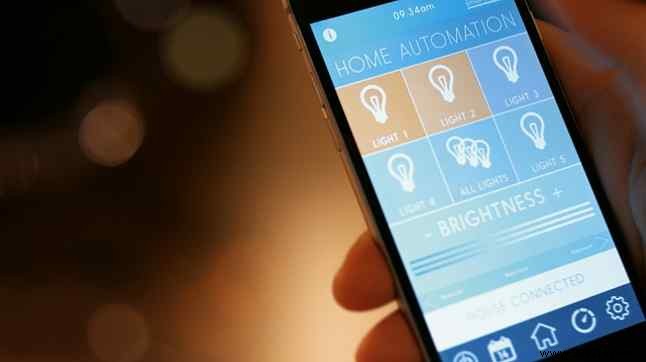
Explore LED strips for innovative designs. Incandescents and CFLs face phase-outs globally—the future is LED.
Have you switched fully to LEDs? Nostalgic for incandescents like vinyl fans, or embracing the upgrade? Share in comments.
