Imagine someone telling you a decade ago that teens would carry video cameras into the bathroom. You'd likely react with shock—and rightly so. Today, it's routine. Does familiarity make it any less risky?
We hear 'times have changed' as justification, but human nature hasn't. Predators and criminals persist, now tech-savvy. The Internet of Things (IoT) amplifies these threats to kids. Read on for real-world examples and practical safeguards, drawing from cybersecurity experts and documented cases.
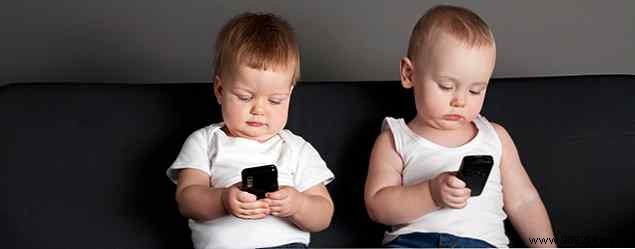
Our aim isn't fearmongering but empowerment. Arm yourself with knowledge to question manufacturers, advocate for stronger privacy laws, and protect your family. A University of Pennsylvania study found Americans increasingly resign to data surrender— a global trend we must challenge.

Webcams have long posed privacy concerns. How can you confirm one's truly off? Remote Access Trojans (RATs)—like stealthy VNC or TeamViewer—let hackers spy undetected, even disabling indicator lights.

Consider the 2010 Lower Merion School District scandal: Laptops loaned to students secretly captured 30,000 webcam photos and 27,000 screenshots via anti-theft software. Officials blamed IT oversights, but ignorance isn't an excuse.
Prevention starts simple: Assess if your child needs a built-in camera. If yes, discuss responsible use. Limit video chats to trusted family like grandparents. For security, follow expert Joel Lee's advice: Unplug the webcam, cover it with tape, or use reusable privacy stickers.

[53x] Dot Style Camera, Webcam Lens & LED Light Covers Privacy Stickers. Buy Now On Amazon $5.99
IoT toys extend risks. Security researcher Matt Jakubowski exposed Hello Barbie's flaw, allowing hackers to access home addresses and hijack servers, making the doll say anything.
Worse, VTech's Learning Lodge app store for kids under 10 suffered a 2015 breach: A hacker stole data on 6 million children and parents, including names, emails, birthdates, IP addresses, and security questions. Identity theft expert John Sileo warns birthdates enable Social Security number reconstruction. Stolen Lives: Identity Theft Prevention Made Simple ($54.38 on Amazon).
Hello Kitty's SanrioTown.com exposed 3.3 million users' data in 2015—no hack needed. Researcher Chris Vickery accessed names, birthdates, emails, unsalted password hashes, and security answers effortlessly. Such info cracks accounts across sites.
Protect by staying involved: Learn the toys, teach online safety habits, use parental controls, and supervise play. Resources: 7 Safety Behaviors to Stay Safe Online, What You Need to Know About Parental Controls for PC and Tablets.
Paradoxically, we parents may be the biggest risk. Surrounding kids with sensors, cameras, and devices like baby monitors or Amazon Echo fosters disconnection. Studies (Bindley 2011, Giedd 2012) link heavy tech use to impaired face-to-face communication.
Oxford neuroscientist Susan Greenfield warns constant connectivity rewires brains, shrinking attention spans and empathy. Her book Mind Change: How Digital Technologies Are Leaving Their Mark on Our Brains explores this. Tufts' Maryanne Wolf fears future generations losing deep focus, as detailed in Proust and the Squid: The Story and Science of the Reading Brain ($6.00 on Amazon).

The 'No Tech at Dinner Table' study reveals kids crave undivided parental attention and supervision—mirroring parents' wishes for them. Parental habits shape children's; model presence.

From spying to identity theft or eroded bonds, IoT threats are manageable. Educate yourself and kids, set boundaries, and balance tech with real interaction. Done right, IoT enhances family life without compromise.
