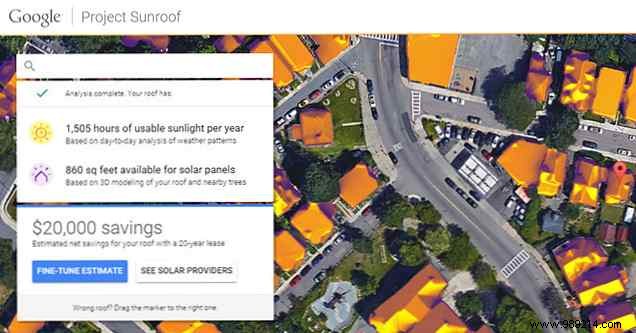
Considering solar power for your home? Tools like Google's Project Sunroof have shown its potential. You've likely explored solar system types and battery backups. You know the upfront costs, falling panel prices, payback periods, added home value, and energy independence benefits. But sticker shock from the initial quote might linger—especially before accounting for incentives.
To get the real picture, factor in federal, state, and local incentives first. As a solar industry expert with years advising homeowners, I've seen these rebates and credits slash effective costs dramatically, making solar a smart investment.
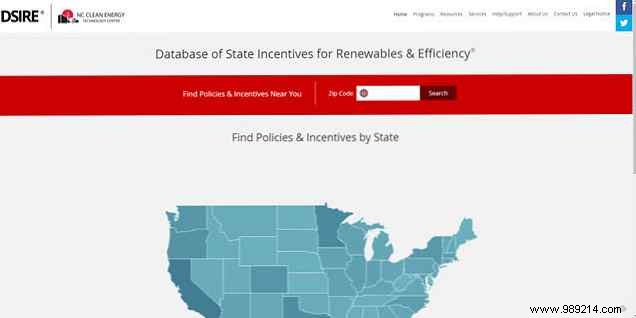
Don't calculate costs without incentives—they can make solar viable. Check the Database of State Incentives for Renewables & Efficiency (DSIRE) for U.S. options or search locally (e.g., Australia's Solar Subsidy site). This mindset shift: "$25,000 system? But 30% federal credit brings it to $17,500."
The ITC offers a 30% non-refundable credit on system costs—no cap. Per the Solar Energy Industries Association (SEIA), it's a dollar-for-dollar tax reduction. Excess carries forward. Visit Energy Star's page for details. Consult a tax advisor for your situation.
For a $25,000 system: $25,000 × 0.30 = $7,500 credit, netting $17,500. Note: Drops to 26% in 2020, 22% in 2021 (act soon if eligible).

Many areas offer rebates, tax credits, exemptions, RECs, or net metering. Examples (availability varies):
Connecticut's program: Up to $0.513/watt. For 6kW: 6,000 × $0.513 ≈ $3,078. Net: $17,500 - $3,000 = $14,500.
Delaware: $450/kW upfront for 20 years SRECs. 6kW: $2,700. Net: $14,500 - $2,700 = $11,800. Research market value—RECs can appreciate.

New York: 15-year exemption on added value. If solar adds $10,000 assessment (1.5% tax rate): Saves $150/year × 15 = $2,250. Boosts resale too—Berkeley Lab notes $15,000+ premiums.

Oregon RETC: $1.50/watt, up to $1,500/year for 5 years. 6kW: $9,000 total, capped at $7,500. Net drops further.
These offset bills ongoing, not upfront costs. Expect $30-40/month grid fees; some require 20-year contracts or REC surrender. Less reliable long-term.
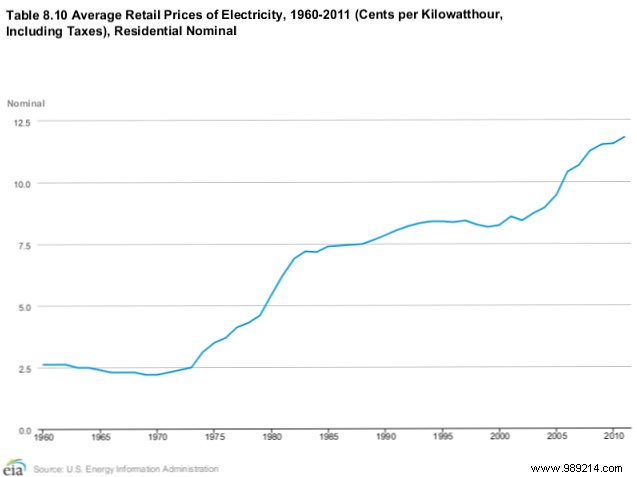
Federal ITC + one rebate like Connecticut's: ~$10,000 for 6kW energy independence lasting 20+ years. Electricity rates rose from 2.3¢/kWh (1960) to 12¢+ (2010)—now often 15¢+. $10,000 escapes that forever.

Still hesitant? Compare to daily lunches or coffees—$10,000 over 4 years with nothing to show. Solar delivers security, savings, and value. Consult pros and incentives for your area.