Smart lighting is one of the most exciting advancements in home automation, offering easy setup, seamless integration with existing smart home systems, and long-term energy savings despite the upfront cost. Beyond convenience and fun—like customizing colors or remotely dimming lights from bed—emerging research shows it can profoundly impact your physical and mental health.
Backed by studies from Harvard, the Journal of Consumer Psychology, and more, smart lighting helps regulate sleep hormones, enhance alertness, reduce injury risks, balance emotions, and protect eye health. Here's how to harness these benefits.
A good night's sleep supports memory, concentration, and learning while warding off chronic diseases, per Harvard researchers. Blue light from screens and lights disrupts melatonin production, the hormone that signals bedtime.
Smart Solution: Program your lights to shift to warm orange or red tones after sunset, mimicking natural dusk. Tools like f.lux help with screens, but whole-home automation maximizes melatonin release for deeper rest. Science20.com endorses this approach.
Morning daylight triggers cortisol, keeping you alert and balancing your sleep cycle. For night owls or dim rooms, daylight simulators combat sleep inertia—the grogginess post-wakeup.
A 2010 Dutch study found these lights sharpen focus fast. Products like the Ario or programmable smart bulbs replicate sunrise automatically.
Falls affect all ages in the dark, leading to bruises or worse. Smart systems illuminate paths without harsh blue light.
Smart Solution: Set dim red night lights via apps for bathroom runs, ensuring safe navigation for everyone.
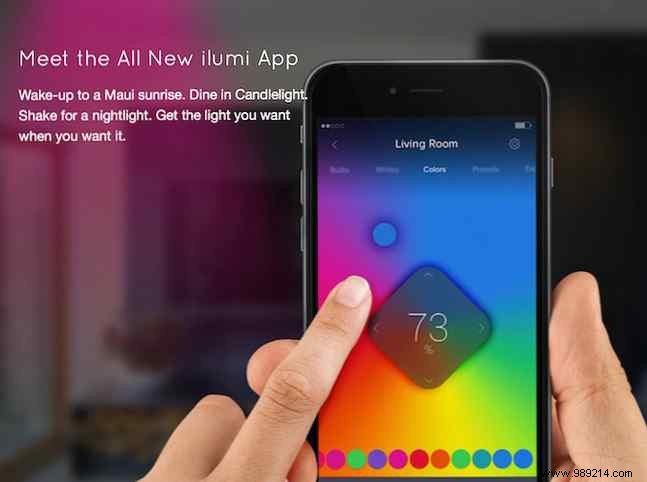
Light intensity influences emotions, per the Journal of Consumer Psychology. Bright lights amplify feelings; dimmer ones promote calm during tough talks.
Blue-enriched lights combat Seasonal Affective Disorder (SAD). Smart Solution: Dim via app for nuanced mood control.
Poor lighting causes eye strain, headaches, and fatigue, warns the Canadian Centre for Occupational Health and Safety. Varied tasks demand adjustable illumination.
Smart Solution: Use multiple fixtures—desk lamps for papers (ceiling dimmed), brighter ambiences for meetings. Automate to avoid strain without moving.
Smart lighting is evolving rapidly, with research uncovering impacts on body, mood, and psyche. A 2012 French study showed blue cabin lights match caffeine's alertness for night drivers.
Expect broader adoption in hospitals for patient sleep, universities for optimal learning environments, and offices for personalized workspaces. How has smart lighting improved your health or sleep? Share in the comments!
