Imagine you've just installed smart door locks and other connected devices to enhance your home's security and convenience. Then your neighbor asks: "What happens if the power goes out?" Don't worry—the answer is reassuring. Many smart home devices continue functioning during outages, thanks to built-in batteries and smart design. While details vary by device, here's what our testing and real-world experience with these systems reveal about four essentials: smart thermostats, door locks, garage doors, and security cameras.
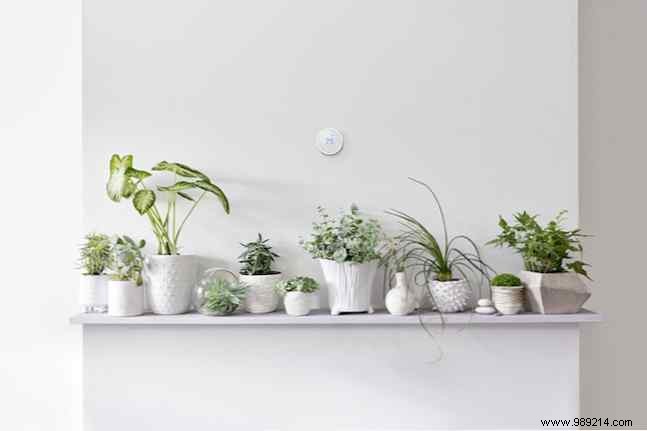
The Nest Learning Thermostat (3rd Generation, T3007ES)—a top choice for precise temperature control—stays operational even without power. It features a rechargeable battery powered by your HVAC system's wires.
Nest Learning Thermostat (T3007ES), Easy Temperature Control for Every Room in Your Home, Stainless Steel (3rd Generation), Works with Alexa. Buy Now On Amazon $180.50.
When power fails, the battery keeps it running for 1-2 hours. It first disables Wi-Fi to conserve energy, so remote control stops, but your schedule and HVAC system continue as programmed. A flashing red light signals charging. Once fully depleted, it shuts down until power returns—typically another hour for full recovery. Settings persist.
Competitors like ecobee Wi-Fi Smart Thermostats and Honeywell Lyric models offer similar resilience, operating independently during brief outages.
Smart locks provide keyless entry and activity tracking via your phone. During blackouts, they remain fully functional using standard batteries (often AA) and Bluetooth connectivity, bypassing Wi-Fi dependency.
For instance, the August Smart Lock Pro (3rd Gen) and Kwikset Keva rely on batteries for locking/unlocking—no power needed.
August Smart Lock Pro + Connect, 3rd Generation Technology - Silver, Works with Alexa. Buy Now On Amazon $204.01.
Advanced features like remote access via Wi-Fi bridges (e.g., August Connect) or voice assistants pause without power. August Connect Wireless Bridge. Buy Now on Amazon $66.99.
Smart garage door openers let you monitor and control access remotely, typically via Wi-Fi or Bluetooth. Battery backups ensure manual operation during outages.
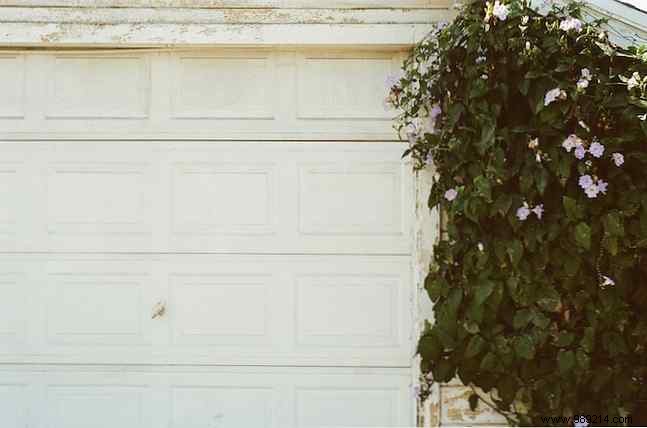
Brands like Chamberlain, Garageio, and LiftMaster include these batteries, so you can still open and close doors as needed.
Standalone smart cameras lose functionality without power, as they depend on electricity and internet. Traditional home security systems fare better: wired ones use phone lines, cellular-based stay connected via cell towers.
VoIP systems drop offline without internet.

For reliability, opt for full security systems with battery-backed panels. Or pair cameras/routers with UPS battery banks to extend uptime during outages.
Not everything survives blackouts. Smart switches, plugs, lights, AC units, and dehumidifiers go dark without electricity—logical, as they control powered outlets.
Smart homes enhance comfort and safety, and most critical devices like thermostats, locks, and garage doors weather outages short-term. Cameras may need backups. With proper setup, blackouts won't disrupt your peace of mind.
What smart devices do you rely on? How do you prepare for outages?
