The smart home landscape has evolved dramatically since Nest launched its first thermostat five years ago. Looking ahead, the next five years promise even more transformative changes.
Step into the future with us as we explore the top smart home trends projected for 2021 and the cutting-edge products that could redefine daily living.
Future smart homes will prioritize energy-efficient devices controlled by localized virtual assistants, enhancing safety—especially for aging populations.
Tech giants like Apple (Siri), Microsoft (Cortana), and Amazon (Alexa on Echo) dominate voice assistants today, but they rely on internet connections. By 2021, smartphones, tablets, and wearables will feature offline, local processing to conserve battery and address privacy concerns.
MIT researchers have developed the "Eyeriss" chip, optimized for deep learning tasks like natural language processing and facial recognition without internet reliance.

As Vivienne Sze, Emanuel E. Landsman Career Development Assistant Professor at MIT's Department of Electrical Engineering and Computer Science, notes, these assistants could permeate every corner of the home—from refrigerators and ovens collaborating on recipes to showers adjusting water temperature based on conditions.
Smart assistants need power. University of Washington researchers have pioneered backscatter technology, enabling devices to harvest energy from TV, radio, phone, and Wi-Fi signals for battery-free operation in sensors, cameras, and alarms.

Not all devices will go battery-free soon, but grid-connected ones will optimize energy use. Gartner predicts over 500 smart devices per home by 2022, many tracking energy consumption for smarter management.
John Wilson, global head of Macquarie Energy Leasing, emphasizes programmable appliances like air conditioners and dishwashers that activate during off-peak, cheaper energy times.
With longer lifespans and rising healthcare costs, IoT will support aging in place. Strategy Analytics' Joe Branca highlights the need for integrated eldercare solutions covering physical, cognitive, social, and nutritional aspects.
These trends pave the way for innovative devices.
Vectorform's Kevin Foreman points to complex energy tracking as a smart home barrier. Their PowerScan prototype simplifies it: just scan a power cord with your phone for instant readings.
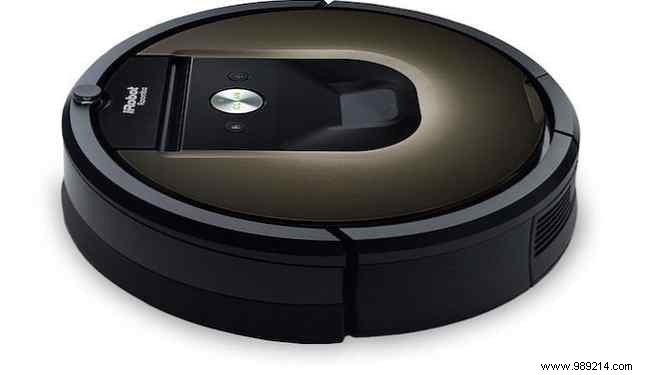
From iRobot vacuums to emerging robotic lawnmowers, automation advances toward Jetsons-style helpers.
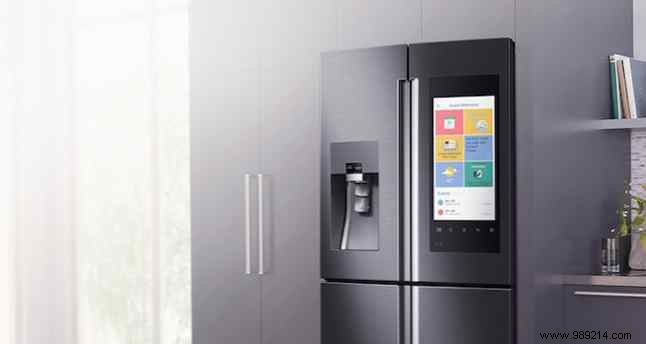
Samsung's Family Hub refrigerator offers Wi-Fi screens for grocery management and family connectivity, priced at $5,500—a preview of affordable, efficient smart appliances ahead.
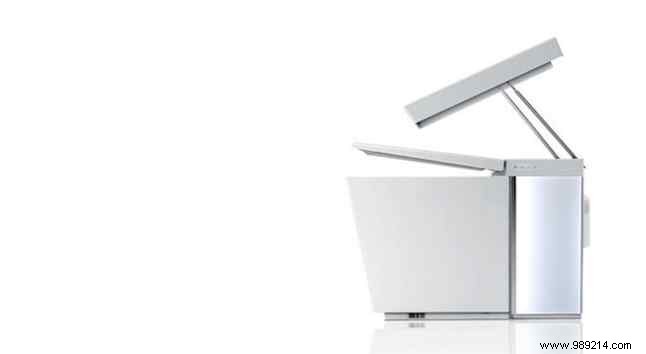
Kohler Numi adds luxury like lighting and Bluetooth. Toto's Flowsky measures urine flow for at-home health insights.
Smart home tech will boost energy efficiency and health. What smart home advancements excite you most?
