Smart home innovations continue to transform everyday items into intelligent solutions. Window blinds, once mundane, can now become 'smart blinds' with affordable electronic pulley systems controlled via smartphone. As a smart home enthusiast with years of hands-on testing, I'll guide you through top options and their real-world value.
Take your existing blinds and upgrade them effortlessly. Here's a breakdown of leading solutions and why they're game-changers.
Smart blinds occupy a specialized corner of the smart home world. While giants like Samsung, Nest, and Philips dominate broader categories, dedicated players like Loxone and MySmartBlinds lead here. These competitors offer contrasting approaches, from DIY builds to plug-and-play ease.
Loxone doesn't offer a complete smart blind kit but provides a Solis Air Tubular Motor for £156 (about $200). This motor integrates with existing blinds, enabling remote control via an on-premises switch or app.
Note: It's not plug-and-play. You'll need basic electronics, programming skills, and time for assembly. Additional components like a Miniserver (£297 plus delivery) and switches are required.
This setup suits weekend warriors who enjoy hands-on projects. Loxone's UK-based lineup, including music servers, emphasizes customization over simplicity.
MySmartBlinds delivers a true out-of-the-box solution at just $100. The kit includes a Bluetooth LE motor, rechargeable battery, manual switch, and hardware for standard 2-2.5 inch horizontal blinds.
Direct control from iOS 7+ devices or Android 4.3+ skips the need for hubs. Accessories enhance versatility: a $45 solar panel (mount centrally on windows), $60 smart switch (controls up to 32 shades in groups), and $14 micro USB charging cable (available cheaper on Amazon).
Products like the Nest Thermostat deliver clear savings, but smart blinds? Their benefits shine in security, privacy, and efficiency—worth $100+ per window in these scenarios.
Extended trips heighten burglary risks. Schedule blinds to open mornings and close evenings, simulating occupancy. Pair with smart lights, motion detectors, or security cams for Fort Knox-level protection.
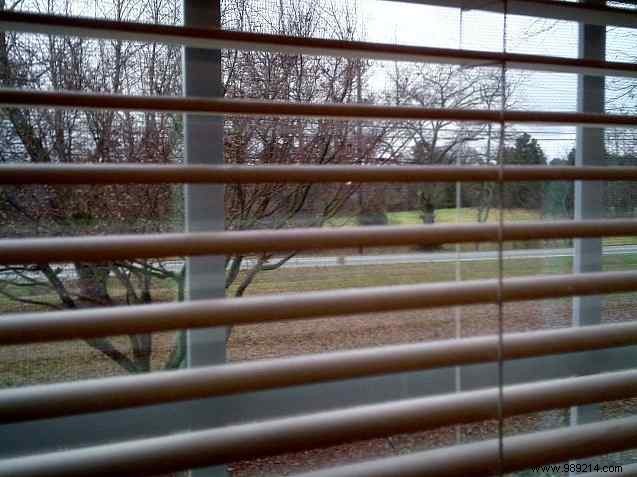
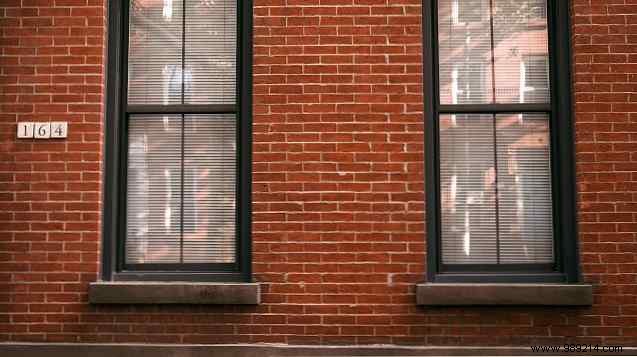
In dense urban areas, nosy neighbors invade privacy. Automate blinds to close when they return or kids arrive home.
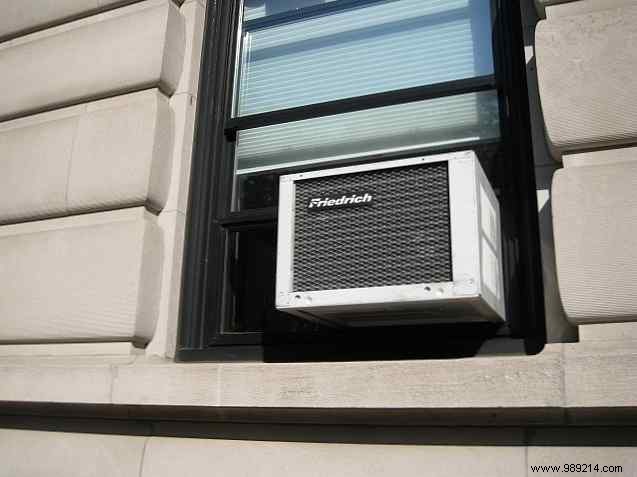
Summer AC strains spike costs. Close blinds daytime to block heat, easing your unit's load. Integrate with smart plugs to activate cooling just before arrival.
Do you own smart blinds? Share unique uses, pros/cons, and if they're worth it in the comments.
