Embracing smart home technology often means navigating a sea of unfamiliar jargon. Even tech-savvy users puzzle over terms like HTTP, IP addresses (digital postal codes for internet routing), or MAC addresses (unique hardware identifiers). Together, they ensure data reaches the right device, much like a name and address in traditional mail.
If you're new to smart homes—like outfitting your space with the 6 Gadgets You Need to Install Right Away in a New Smart Home—don't worry. As experts who've set up countless intelligent residences, we're here to demystify it all with this comprehensive A-Z glossary.
Smart devices aren't always hands-off. Automation elevates them by triggering actions without user input—think Philips Hue lights activating as you approach home, security alarms arming at sunset, or AC units responding to rising temperatures.
Devices skipping Wi-Fi often rely on Bluetooth Low Energy (LE). This power-efficient protocol, tailored for smart homes, fitness trackers, and health gadgets, lets battery-powered devices run for years.
The Custom Electronic Design & Installation Association (CEDIA) leads the smart home industry with over 3,700 global members. It certifies professionals—ideal for sourcing experts to install your system.
Dashboards aggregate device data via apps or web portals, showing live feeds, historical charts, camera views, and metrics for easy monitoring.
Events are triggers like sensor readings, temperature changes, or time-based cues that prompt smart home actions—e.g., a leak detector sounding an alarm.
Geofences create virtual boundaries using GPS or RFID to detect location changes, automating tasks like opening your garage as you arrive home or tracking kids.
Groups bundle devices for unified control via apps—perfect for room-specific smart lights or speakers.
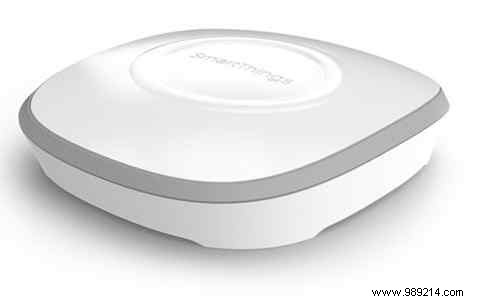
The hub is your smart home's central brain, unifying devices from various makers. Which Smart Hub for Home Automation is Best for You? Explore options to control everything seamlessly from one app.
True smart homes thrive on interoperability. Built-in support for Alexa or Google Home is common, while tools like IFTTT (Top 10 IFTTT Recipes To Use With Your Wink Hub or 7 IFTTT Alternatives) enable custom connections.
The 1960s cartoon The Jetsons eerily predicted today's smart home tech—from voice assistants to robotic kitchens. What modern shows foreshadow our future?
Smart kitchens revolutionize cooking with ovens, timers, and apps. While premium options like the $70,000 Moley robot are extravagant, affordable smart ovens (June Smart Oven—Buy now on Amazon) simplify meal prep. Create a Futuristic Kitchen with These 7 Smart Devices.
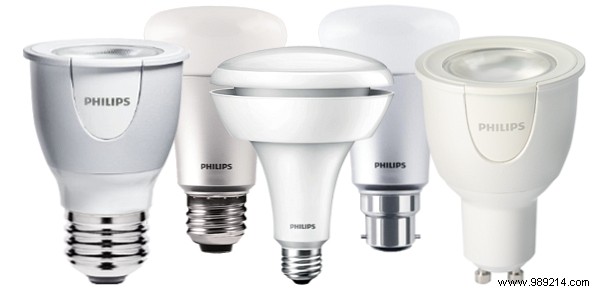
Smart lights are an accessible entry point. Philips Hue sets the standard, though pricey (5 Reasons Philips Hue Bulbs Are Too Expensive; explore Philips Hue Smart Bulb Alternatives). Control via Wi-Fi or Bluetooth (e.g., Flux LED), schedule wake-up routines, or illuminate pathways automatically.
Flux Bluetooth LED Smart Bulb—App-Controlled Multi-Color Wireless Light for Kitchen, Bedroom—Sunrise Alarm, Sunset Sleep Light, Dimmable Night Light—No Hub Required. Buy Now on Amazon $30.95.
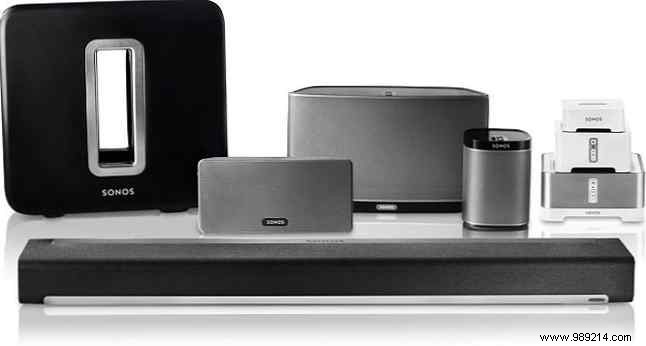
Stream music house-wide effortlessly with Wi-Fi speakers or in-ceiling systems. Start with our smart speaker buying guide.
Smart tech splits into network (data transmission) and physical (sensors/cameras collecting data) layers for seamless operation.
Smart outlets connect appliances to Wi-Fi for remote control—turn off nightlights at midnight or brew coffee mornings. The Automated Outlet: What Can Smart Outlets Really Achieve?
Protocols like Bluetooth LE, Wi-Fi, Z-Wave, X10, Insteon, and ZigBee define device communication. Hubs translate between them like a multilingual interpreter.
The chip giant powers devices like Ecobee thermostats, LIFX lights, and Haier smart fridges, leveraging decades of wireless expertise.
Control your home from anywhere via apps connecting through your external IP—arm alarms, preheat ovens, or check feeds on the go.
Smart devices access personal data, routines, and entry points—vulnerable to breaches. Mitigate with premium VPNs (4 Reasons a Paid VPN Beats Free), research devices, change defaults, update firmware, and secure setup (Smart Home Hacking: How to Secure Your Devices).
Internet of Things (IoT): Networks of internet-connected objects with sensors, from lights to fridges.
Consolidate remotes with hubs like Logitech Harmony Elite (works with Alexa). Buy Now on Amazon $248.86.
Smart tech adds little resale value—it's becoming standard, like plumbing, and evolves rapidly (Future Smart Home Trends). The real worth? Enhanced daily life.
Reliable Wi-Fi is crucial; upgrade to mesh/smart routers for coverage, security, and diagnostics.
The 1975 protocol supports 256 devices but lacks encryption, speed, and noise resistance. Hybrids include dimmers and plugs.
Troubleshoot via channels from Samsung SmartThings, Insteon, Amazon Echo, Sonos, and August Home.
This mesh protocol (1,000+ devices) extends range as each node relays signals.
This A-Z guide clarifies smart home lingo based on years of hands-on testing. Questions? Comment below—we're here to help. Share with fellow beginners!
Share this expert guide on social media.
