Most wooden furniture over six months old requires minor upkeep, and many basic repairs are straightforward for homeowners. Drawing from years of hands-on woodworking experience, here are reliable quick fixes for everyday problems.
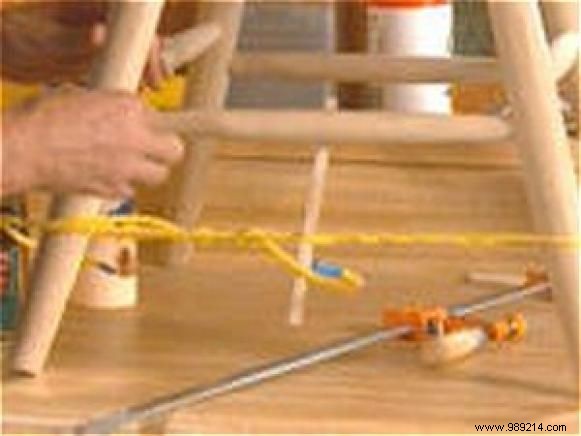
Loose chair rungs pose a safety risk—no one wants a sudden collapse. If other joints are sound, pull the rung away from the frame, apply generous carpenter's glue, and reassemble. For the glue to bond properly, apply pressure while drying. Use a pipe clamp if available; otherwise, loop rope around the legs, insert a peg or stick into the knot, twist to tighten, then secure the peg behind the rung. Let dry 24 hours, wiping excess glue first.
Wobbly legs? Flip the piece over and tighten the connecting bolts, nuts, or screws securely.
White water rings trap moisture beneath the finish. For fresh rings, use a hairdryer on low heat to evaporate it. For stubborn ones, gently buff with fine steel wool dipped in lemon oil to avoid scratches. Blend with lemon oil across the surface, then wipe clean with a rag.
Nicks and scratches blend seamlessly with matching stain markers. Select the wood-matching color, apply to the damage, and wipe excess. It won't erase the mark but makes it far less visible.
Hardened wax stains lift easily: apply ice cubes to chill, then scrape gently with a credit card edge or putty knife.
Sticking drawers glide smoothly after rubbing candle wax along runners and tracks.
Fill small nail holes with matching stained wood putty using your finger for a seamless patch.
- Wood pores require carpenter's glue; reserve super glue for plastics and glass.
- Uneven table legs? Attach a metal or nylon furniture glide from a hardware store to add 1/8 inch height.
- Dust with lemon oil for shine lasting about two weeks. For antiques, apply paste wax yearly: rub on, let harden 10 minutes, then polish for months-long protection.
