As a seasoned antiques enthusiast with years of hands-on experience appraising and collecting, I've seen countless buyers fall for high-quality reproductions. Antiques command premium prices, so distinguishing the authentic from the fake is crucial to avoid costly mistakes.
Here are proven ways to identify a true antique:
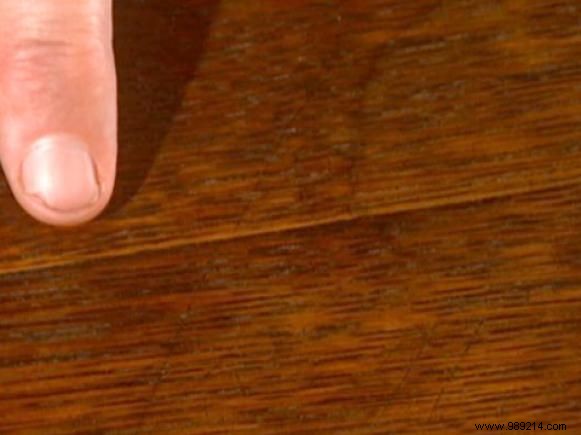
- Look for authentic signs of age, like boards separating at the seams, uneven surfaces instead of flat tops, water stains (dark marks from past exposure, perhaps under a plant), corner nicks, dents, and genuine wormholes (drilled holes are a red flag).
- Inspect the hardware closely for natural wear. On genuine antiques, each piece varies slightly; reproductions feature uniform, overly 'aged' components.
- Pull out drawers and check bottoms and sides. Authentic dovetail joints are irregular, hand-crafted; modern ones are perfectly machined.
- Single slotted screws signal age, as do worn drawer runners from decades of use.
- Beware of uniform coloring, factory-rounded corners, modern screws, and that unmistakable 'new wood' smell on reproductions.
- Square nails combined with wormholes suggest authenticity, but verify—crafty fakers mix old nails with new wood or vice versa.
Antique shops often provide appraisals, but at auctions or flea markets, insist on a flat per-item fee to ensure objectivity—avoid percentage-based ones that might inflate values.
To detect restoration (which reduces value compared to original finishes), flip the piece and check for drips or runs from refinishing.
