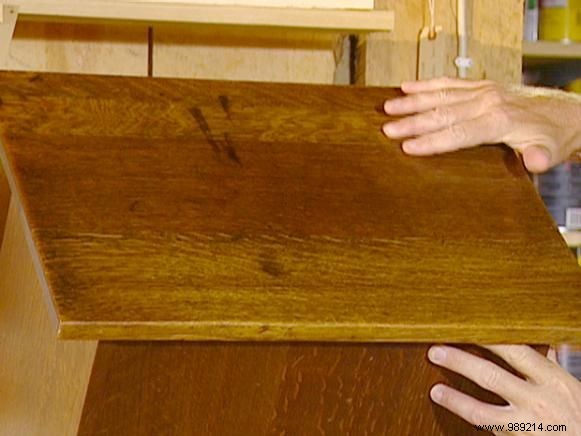
As experienced collectors and dealers know, the best way to identify authentic antiques is hands-on study. Visit antique shops, auctions, or fellow collectors' homes to examine pieces closely. Scrutinize their construction, fine details, and finishes—key indicators of age and genuineness.
Authentic antiques seldom show uniform color. Tabletops often fade lighter from sun exposure, while crevices and hidden spots darken over time.
Look for natural wear on tabletops: watermarks, rings, stains, or cigarette burns. Edges should feel rounded or smooth from years of use, with minor gaps in joinery. Feet typically bear soft spots, water stains, dents, dings, or chips from brooms, sweepers, or vacuums.
Hardware and surrounding wood reveal heavier wear. Screws are usually single-slotted, not Phillips-head. Metal fittings may show handmade imperfections.
Slide out drawers to check runners for wear patterns. Unstained wood should have mellowed to a subtle brown patina with age.
Most reproductions prioritize style over deception, using modern methods that stand out to trained eyes.
If authenticity seems questionable, watch for flawless wood, sharp corners, and crisp edges. Red flags include plywood backs with staples or finish nails, Phillips-head screws, and lightweight, machine-stamped hardware.
