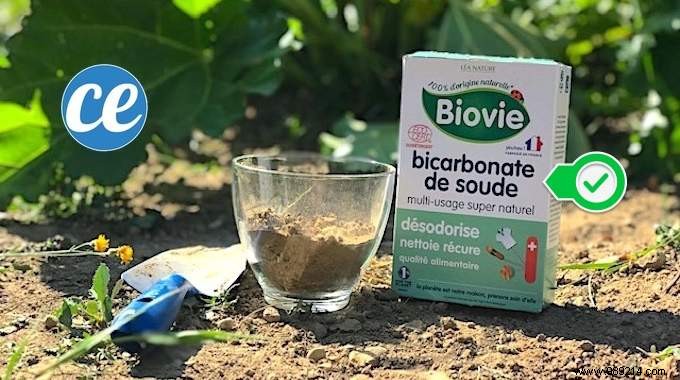
Wondering how to test the pH of your garden soil for optimal vegetable growing? Soil pH determines which crops will thrive—some love acidic conditions, others alkaline.
From years of hands-on gardening, including tips from my grandfather, I've used this reliable, quick method to identify if soil is calcareous (alkaline) or acidic.
The secret? A simple fizz test with white vinegar and baking soda. Watch how it works:

- 100 ml white vinegar
- 120 g baking soda
- 10 cl water
- Bowl
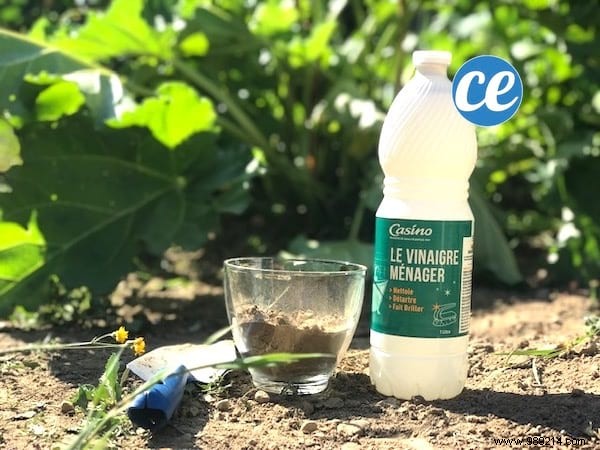
1. Place a handful of soil in the bowl.
2. Pour the white vinegar over it.
3. If it fizzes, your soil is alkaline (calcareous).
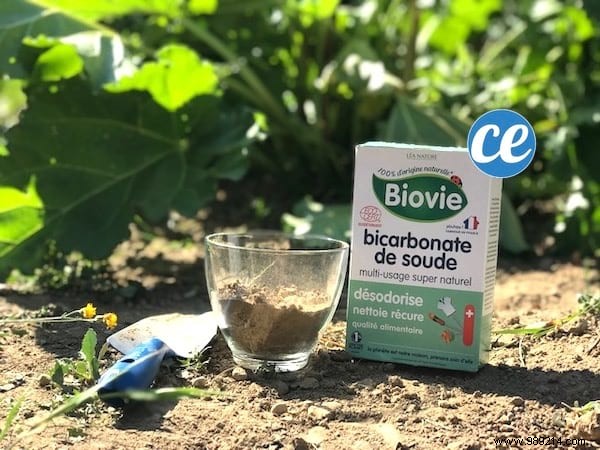
1. Mix the baking soda with the water.
2. Place a handful of soil in the bowl.
3. Pour the baking soda solution over it.
4. If it fizzes, your soil is acidic.
And there you have it! This straightforward test reveals your soil's nature quickly and affordably.
Match your pH results to the right crops—every vegetable has ideal conditions.
For precise pH readings, consider a soil pH tester.
White vinegar, being acidic, reacts with calcareous (limestone) elements in the soil, producing fizz. More bubbles mean more chalk.
Baking soda, alkaline, reacts with acidic soil components. Stronger fizz indicates higher acidity.
If vinegar fizzed, try these easy growers:
- Cabbage, Brussels sprouts
- Turnips
- Radishes
- Beets
- Eggplant
- Peas
- Some tomatoes
- Onions
- Vine
If baking soda fizzed, plant these:
- Blueberries
- Pickles (cucumbers)
- Zucchini
- Squash
- Spinach
- Peppers
- Potatoes
- Tomatoes
