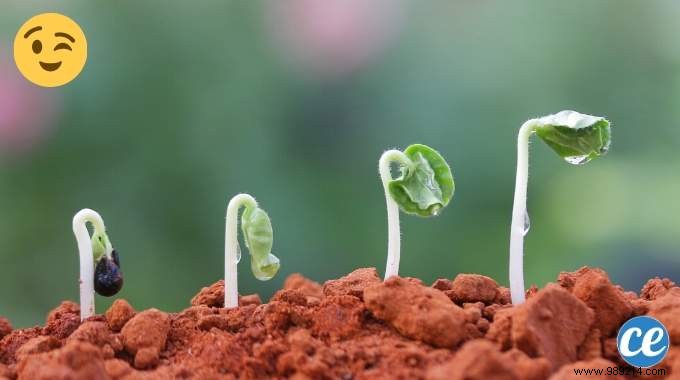
Some seeds can take weeks to germinate, especially when you're eager to get your plants growing. As experienced gardeners know, there's a reliable, time-tested trick to speed up the process dramatically.
The secret? Gently scarify the seeds with fine-grit sandpaper and soak them in a diluted apple cider vinegar solution. Here's how it works:

1. Gently rub the seeds between the sandpaper sheets to lightly scarify the outer coat.
2. In your container, mix the hot water and apple cider vinegar.
3. Soak the scarified seeds in the solution overnight.
4. Rinse the seeds thoroughly the next day.
5. Plant them in soil as usual.
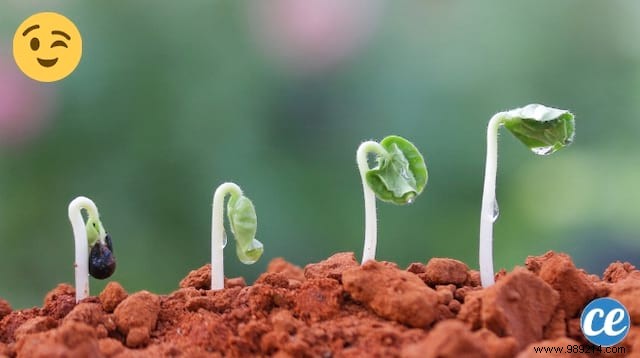
Seeds treated this way germinate significantly faster—often days ahead of untreated ones. This method is simple, effective, and backed by generations of gardeners.
It excels with large seeds like squash, pumpkin, and gourds, as well as hard-shelled herb seeds such as parsley, rosemary, sage, thyme, or ornamentals like peony, passionflower, moonflower, and peace lily.
For smaller seeds, the vinegar soak alone often suffices to soften the coat.
The sandpaper creates tiny abrasions in the tough seed coat, allowing moisture and oxygen to penetrate more easily so the embryo can emerge without struggle.
The vinegar solution further softens the coat through mild acidification, mimicking natural weathering processes.
Together, these steps jump-start germination, leading to quicker, more uniform sprouting.
