As a seasoned gardener with over 20 years of experience growing chemical-free vegetables, I've relied on white vinegar for decades. It's a versatile, affordable staple for pest control, cleaning, and soil care—far superior to harsh chemicals.
White vinegar excels at killing weeds, repelling insects, cleaning tools, and more. Here are 17 practical uses backed by real-world results in my own garden.
Contents
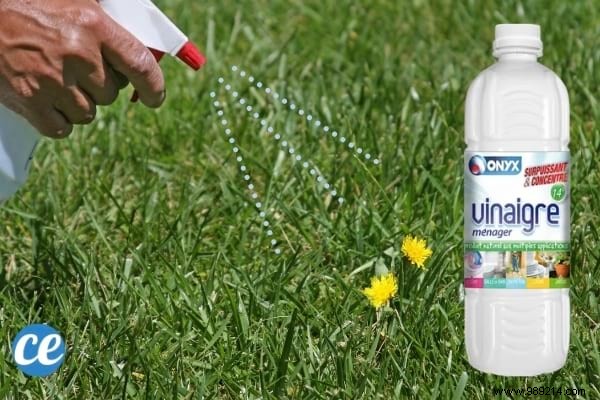
White vinegar is my go-to for targeted weed control. Spray it directly on unwanted plants, and they'll wither in days. Use sparingly to avoid soil acidification.
Recipe: 4 liters white vinegar, 2 tablespoons dish soap, 200 g salt. Mix in a bucket, pour into a sprayer, and apply to weeds. Reapply for stubborn ones.
To discover: 7 Powerful and Easy-to-Make Weed Killer Recipes.
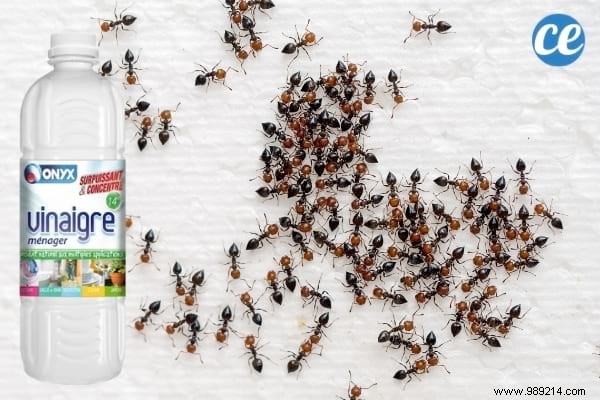
Mix equal parts water and white vinegar in a spray bottle. Spray ant trails, paths, walls, and anthills to deter them from your garden and home. For direct kill, target the ants.
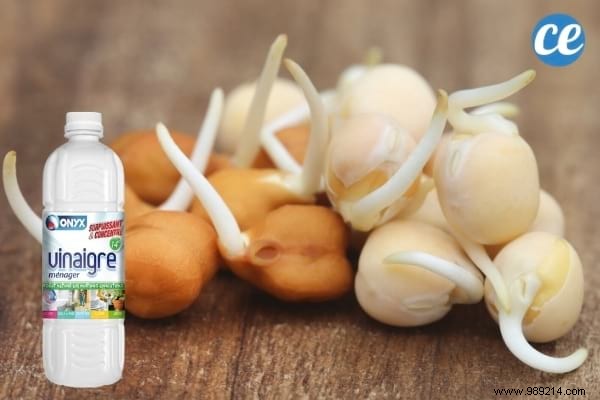
Soak tough seeds like nasturtium or okra overnight in water with a few drops of white vinegar. This softens the seed coat for faster germination. Plant as usual the next day.
To discover: The Gardener's Trick To Germinate Seeds Much FASTER.
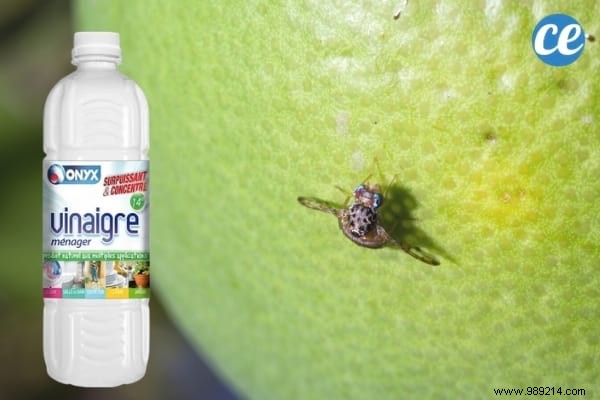
Trap fruit flies in a jar with cider vinegar, a splash of white vinegar, and dish soap. The cider attracts them; soap drowns them. Place near affected plants.
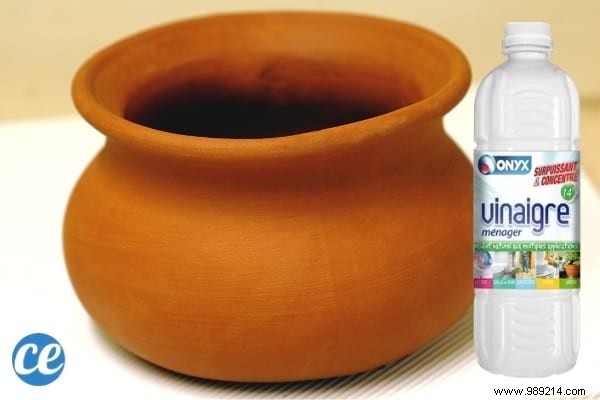
Mix 250 ml vinegar with 1 liter hot water. Soak pots for 30 minutes to dissolve salt and limescale buildup, restoring their natural color.
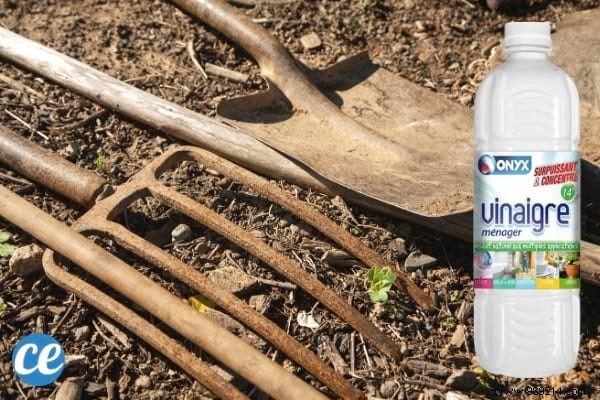
Spray or soak rusty tools in undiluted white vinegar for 15 minutes, then wipe clean. Tools look new without harsh chemicals.
To discover: 15 Simple and Effective Tricks to Remove Rust EASILY.

Mix 2 tablespoons each vinegar and sugar into vase water. Change every 2 days to keep cut flowers vibrant for weeks.

Dip branches in white vinegar and stake them around vulnerable areas to repel rabbits, rodents, cats, and dogs.
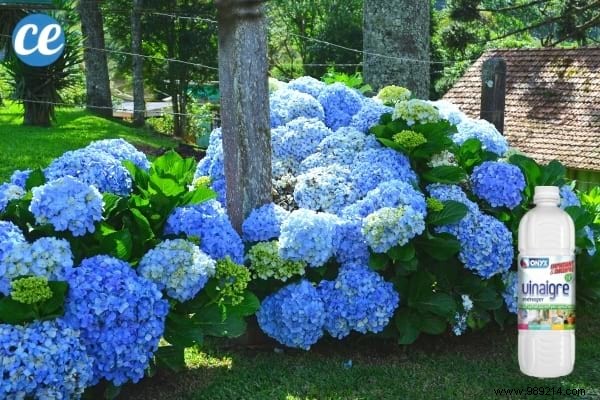
Dilute 250 ml vinegar in 4 liters water for acid-loving plants like hydrangeas. For hard water, add a splash to soften it.
To discover: The Quick And Simple Trick To Measuring Soil pH (Revealed By A Gardener).
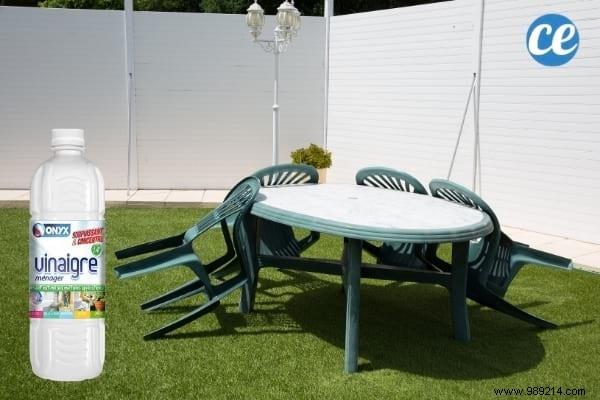
Wipe plastic or outdoor furniture with vinegar-soaked cloth to remove grime, dullness, and mold naturally.
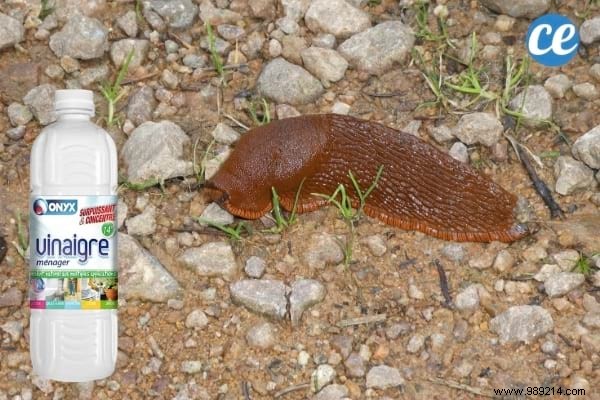
Spray equal parts vinegar and water directly on slugs and snails for instant control.
To discover: 13 Natural Tricks Against Slugs That Really Work.
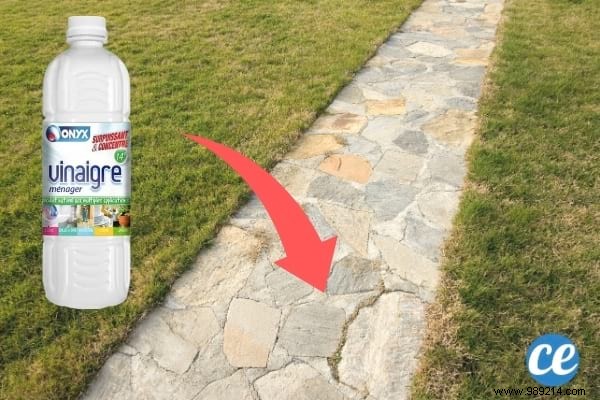
Spray pure white vinegar into cracks between pavers or sidewalks, then pull weeds by hand.
To discover: The 3 Ingredient Weed Killer - Ideal For Paved Driveways!
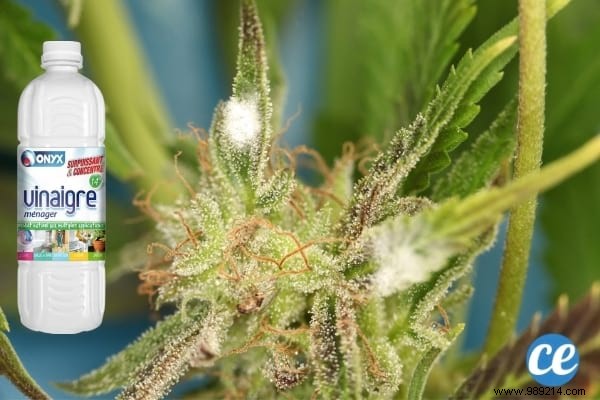
Mix 2 teaspoons vinegar into 250 ml chamomile tea. Spray on affected plants for organic fungicide action.
Fill vases with half vinegar, half water. Let sit, then scrub to remove limescale buildup.
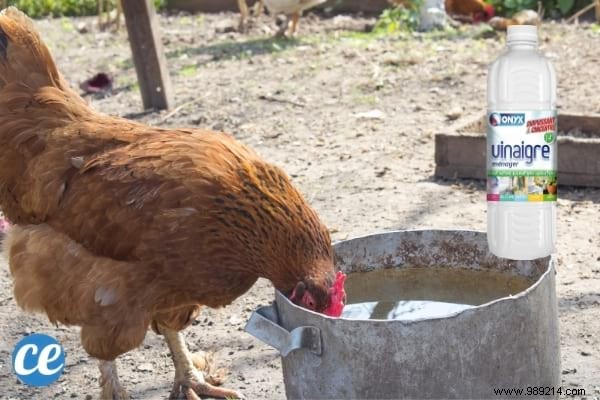
Wash troughs weekly with white vinegar to kill bacteria, algae, and odors—also works for fountains and repels snakes.
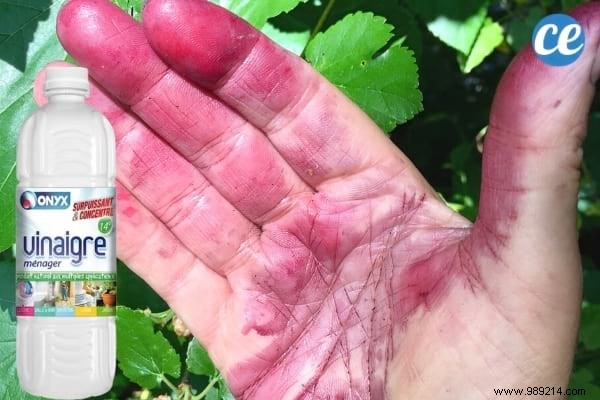
Rub hands with white vinegar to lift stubborn berry stains gently.
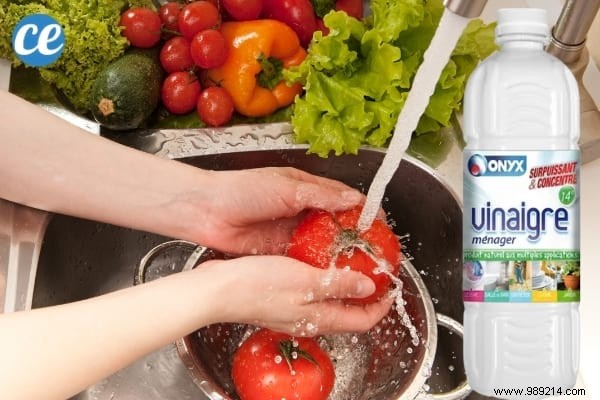
Soak veggies in 1 liter water + 3 tablespoons vinegar to remove bacteria and extend freshness.
As acetic acid, undiluted vinegar can harm plants by stripping protective coatings. It's non-selective, so avoid overspray. Use diluted for safety, especially on desired plants. Ideal for organic gardening—buy in bulk for savings.