Vinegar is a gardener's best friend—versatile, inexpensive at about 50 cents per liter, and completely natural. While it's well-known in the kitchen, its garden applications are equally impressive, allowing you to skip chemical insecticides, fungicides, and fertilizers for truly organic results. White vinegar and apple cider vinegar shine in countless ways.
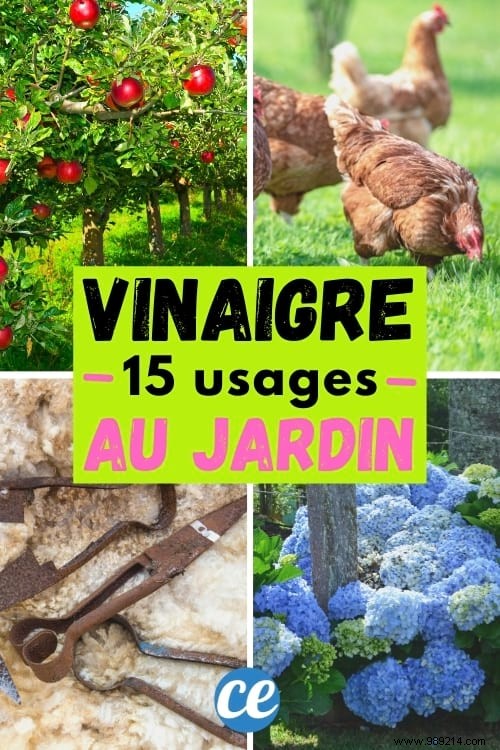
Here are 15 practical uses for vinegar in your vegetable garden:
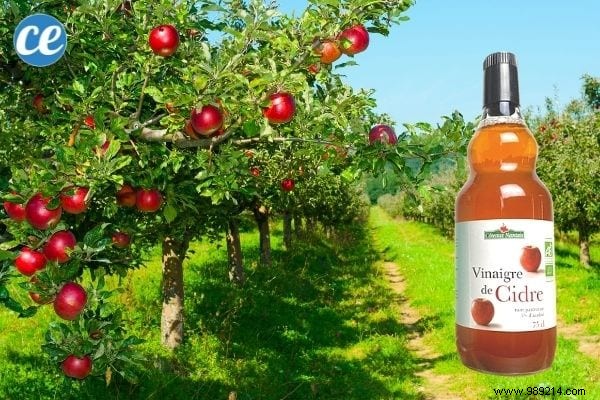
To combat summer flies and gnats in your orchard, craft a simple trap: Combine 250 ml water, 125 ml apple cider vinegar, 50 g sugar, and 1 tablespoon molasses. Pour into open cans and hang from trees with sturdy wire or twine. Insects enter but can't escape, saving your fruit from rot.
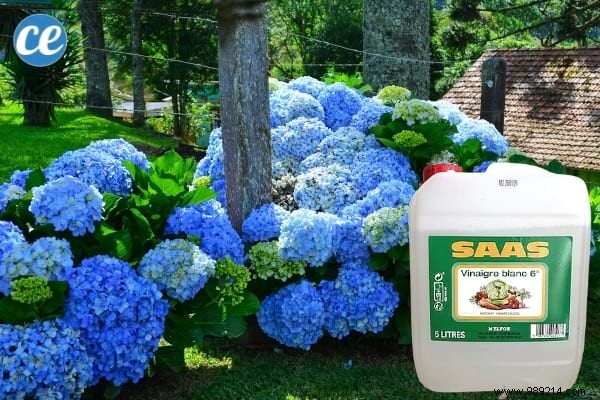
Plants like hydrangeas thrive in acidic soil for better blooming. Boost iron levels by adding vinegar to your watering routine. Mix 250 ml vinegar with 4 liters of tap water (ideal for hard water areas) and apply periodically. To discover: The Magic Trick to CHOOSE the Color of Your Hydrangeas.
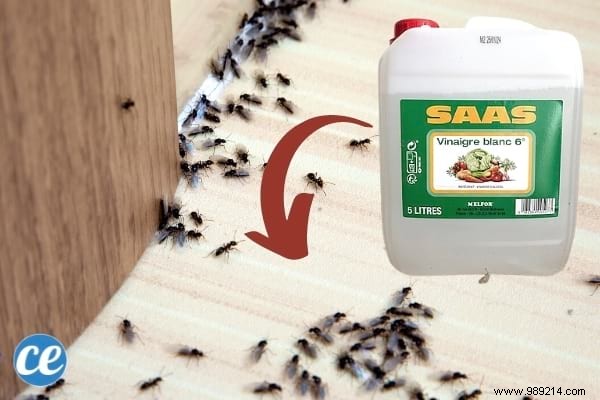
Spray undiluted white vinegar on ant trails and anthills. Reapply over a few days for lasting results. To discover: 10 Natural Tips for Fighting Ants.
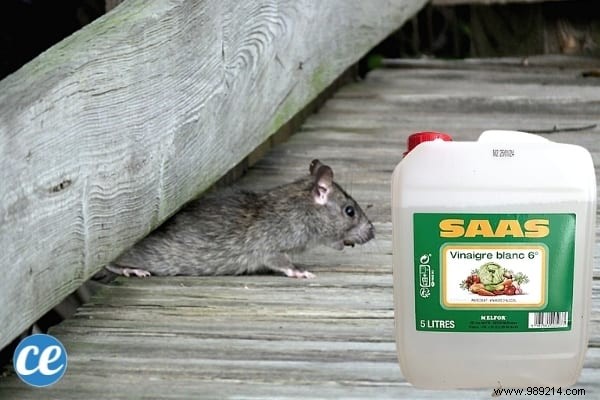
These pests dislike vinegar's strong scent. Soak fabric strips or newspaper in white vinegar and place around garden borders. It's safer than chemical options. Check out the trick here.
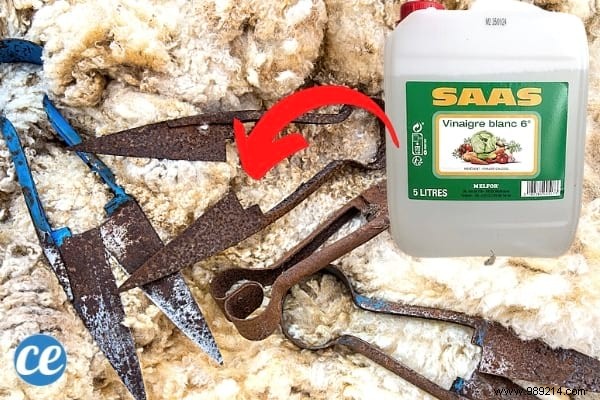
Spray undiluted white vinegar on rusted garden tools or objects, then rinse and wipe clean. Check out the trick here.
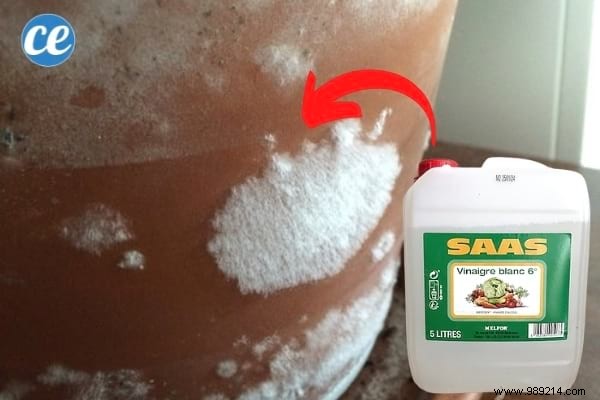
Before planting, clean moldy pots with a 50/50 water-white vinegar solution. Wipe inside and out to prevent fungal spread, especially crucial for seedlings.
Dog urine's nitrogen causes burns. Add 1 tablespoon white vinegar to your pet's water bowl daily—it's safe and neutralizes the effect. Spray borders to deter strays. For existing spots, try a baking soda remedy.
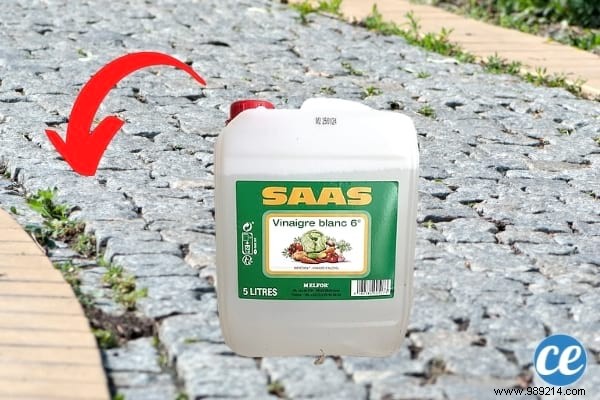
Spray undiluted white vinegar on weeds in gravel or between stones. Add salt for extra potency, but reapply as needed. Note: Long-term use may affect soil, so prioritize manual weeding. To discover: White Vinegar: A Really SAFE Weedkiller?
Per liter of vase water, add 2 tablespoons each of vinegar and sugar. Cut stems at an angle and refresh every 5 days for longer-lasting blooms.
Mix 2 tablespoons apple cider vinegar into 4 liters of water. This nutrient boost purifies water and enriches potting soil.
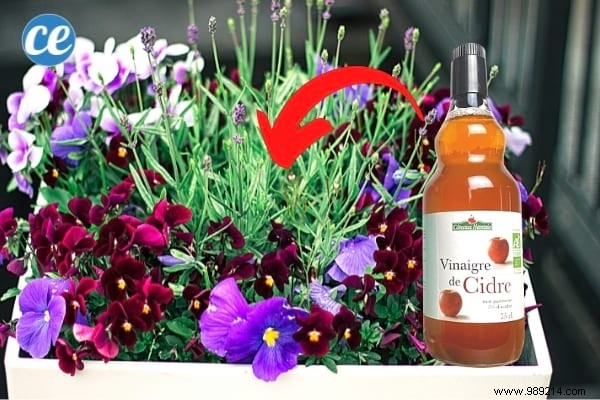
Combine 1 tablespoon apple cider vinegar, 1 tablespoon sugar, and 250 ml water. Use to nourish plants regularly.
Soak tools in a solution of 250 ml vinegar per 4 liters water, or spray a 100 ml vinegar per liter mix. Rinse after to kill fungi and bacteria naturally.
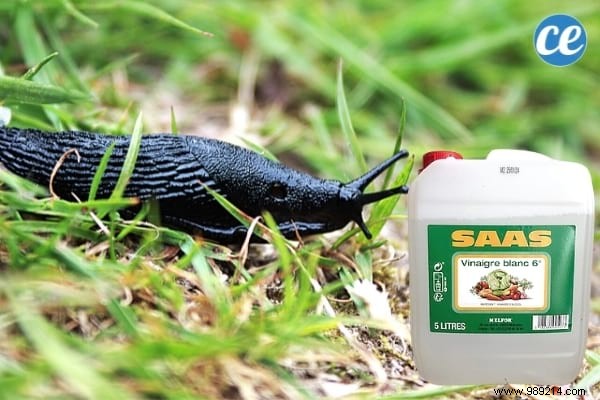
Spray undiluted white vinegar directly on slugs ravaging your lettuce. Find out how here.
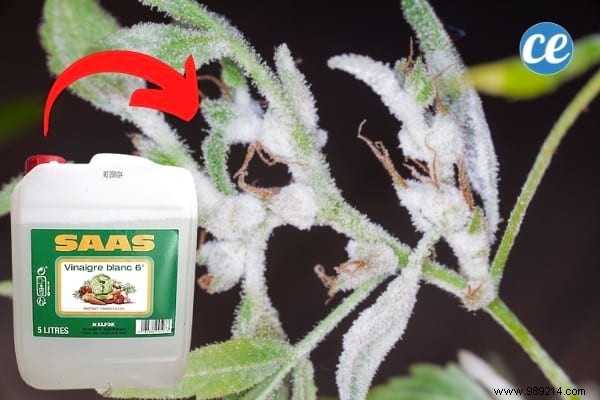
Treat powdery mildew, rot, rust, and more with 2 tablespoons white vinegar in chamomile tea. Spray leaves. Discover this remedy here.

Add 1 tablespoon apple cider vinegar to their water to reduce aggression safely. To discover: 9 Amazing Uses for Vinegar in the Chicken Coop.
Have you used these vinegar tips in your garden? Share your results in the comments—we'd love to hear!
