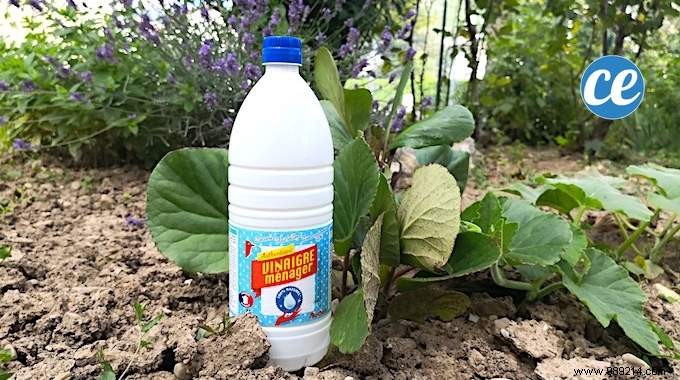
White vinegar is a powerhouse natural cleaner for the home, but its garden applications are equally impressive. At under €0.50 per liter, this eco-friendly staple offers sustainable solutions for common gardening challenges.
Discover 10 expert uses for white vinegar that every gardener should know. Watch:
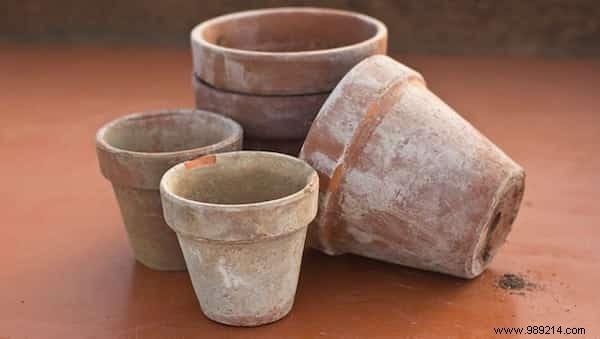
Hard water leaves unsightly white deposits on terracotta pots. Soak them in undiluted white vinegar to dissolve limescale effortlessly and restore their natural look. Check out the trick here.

Spray undiluted white vinegar directly on weeds growing between pavement slabs, especially on sunny days when the heat accelerates wilting. Check out the trick here.
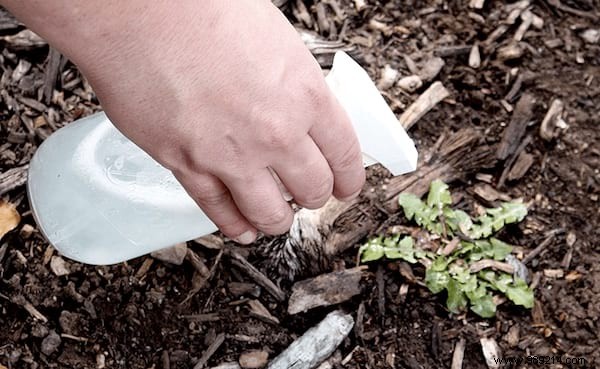
Target garden weeds with a spray of pure white vinegar on a bright, sunny day. Apply precisely to avoid nearby plants or veggies, which could also be affected. Check out the trick here.

Ants detest white vinegar's scent. Spray it along door frames, window sills, and entry points to deter them effectively. Discover the trick here in point 4.

Spray white vinegar in off-limits garden areas or scratching spots to repel cats. Boost potency with a few drops of eucalyptus or lemongrass essential oil if desired. Check out the trick here.
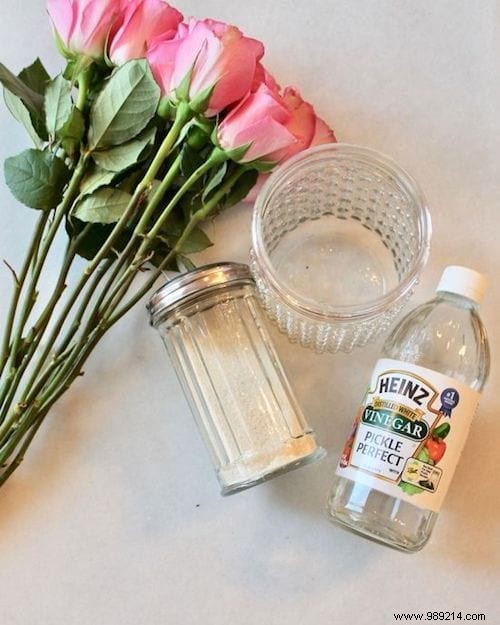
Extend the life of cut flowers by adding 2 tablespoons of white vinegar and 1 teaspoon of sugar to vase water. This simple mix nourishes stems and inhibits bacteria, working wonders on roses and more. Check out the trick here.
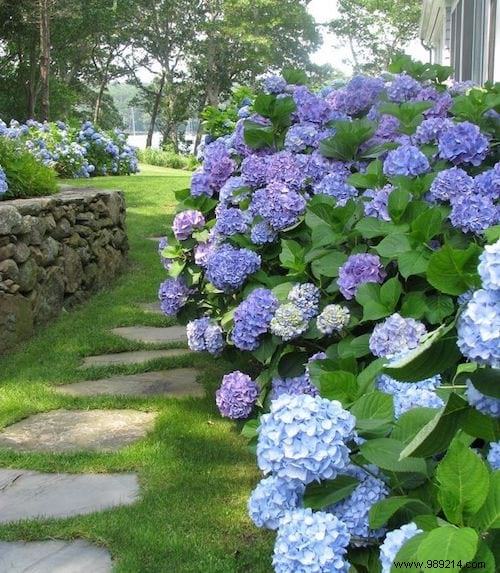
Acid-loving plants like hydrangeas, rhododendrons, gardenias, and azaleas thrive with weekly watering using 3 tablespoons of white vinegar in 4 liters of water to lower soil pH and boost blooms. Check out the trick here.

Soak rusty garden tools in white vinegar for 15 minutes, then rinse and dry for a like-new finish without harsh chemicals. Check out the trick here.
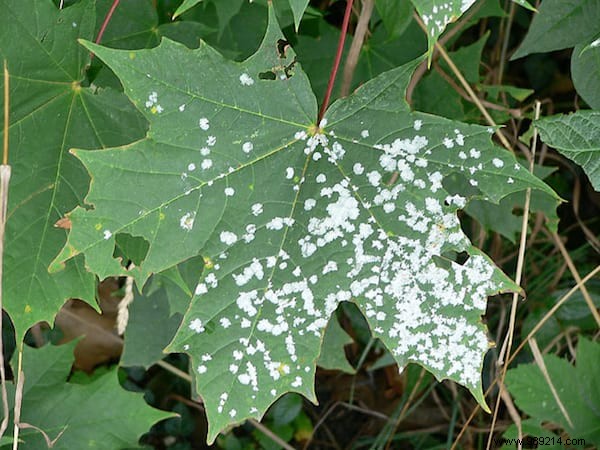
As a natural fungicide, white vinegar combats mold. Spray affected leaves with chamomile infusion plus 2 teaspoons of vinegar for an earth-friendly remedy. Discover the trick here in point 12.

Speed up germination for stubborn seeds like okra, asparagus, and sunflowers by soaking overnight in 500 ml water, 125 ml white vinegar, and a drop of organic dish soap, then plant directly.
