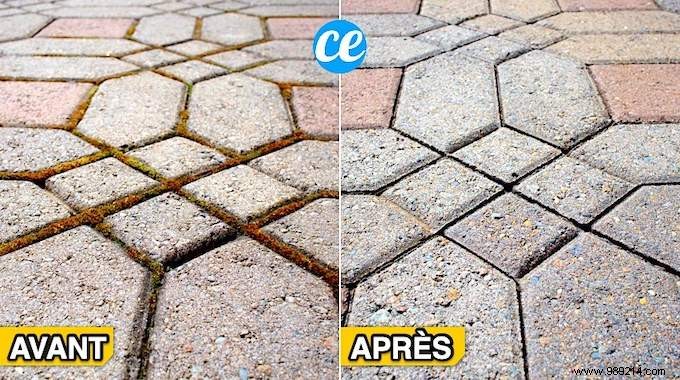
Moss is invading everywhere—terraces, balconies, bricks, slabs, gravel, cobblestones, and more. A little rain and sun, and your outdoor spaces turn into a jungle!
Fighting to remove it permanently can be a hassle. As experienced gardeners know, there's a reliable natural solution: a powerful homemade herbicide made with baking soda.
It's simple, quick, and effective. Here's the recipe:
- Baking soda
- Sprayer
- Water
1. Pour 8 liters of water into a sprayer.
2. Add 350g baking soda.
3. Mix well.
4. Spray the mixture on the moss.
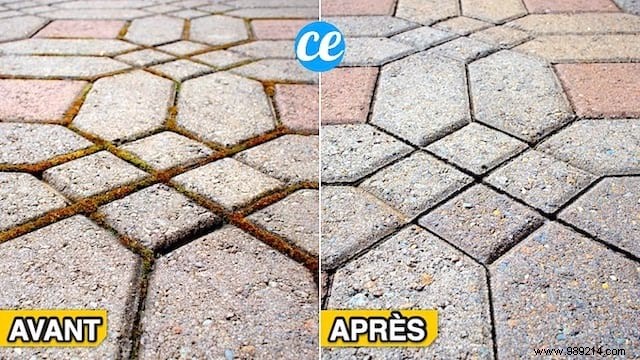
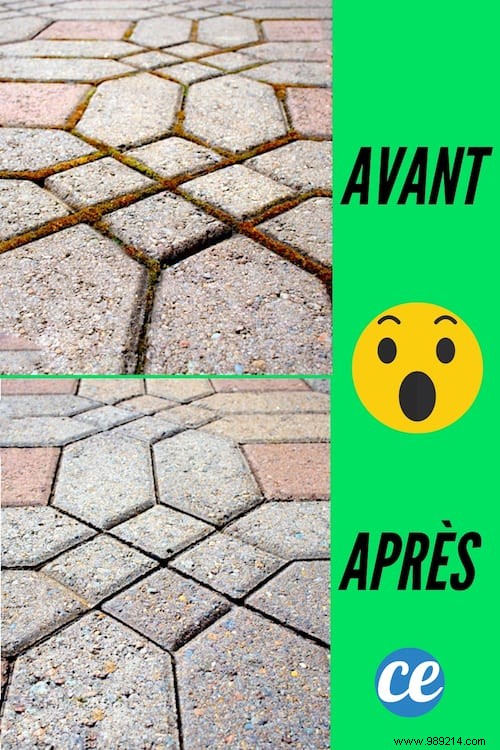
Just like that, you've effortlessly eliminated the moss naturally :-)
Easy, fast, and highly effective. No need for toxic commercial herbicides from stores like Leroy Merlin or Castorama.
This anti-moss treatment is more economical, 100% natural, and skips pricey pressure washers or harsh bleach.
For best results, apply on a sunny day. Avoid spraying on flowers or plants you want to keep.
Ideal for targeted use on terraces, driveways, walls, or roofs. It works on stone, concrete, roughcast, slate, or bitumen surfaces.
Baking soda is pet-safe—your cat or dog can encounter it without risk.
You can also use this natural herbicide on moss invading tree trunks—best in winter.
Great news: For stubborn weeds in pool paving or between terrace slabs, skip bending over to pull them. Spray this homemade weed killer and let it work.
Perfect for those with back pain—just spray, wait for weeds to shrivel, then remove easily.
Baking soda is naturally salty. At concentrations over 1%, its high salt content becomes phytotoxic, burning weeds and their roots.
Did you know the first recorded weedkiller? Roman scholar Varro (116 BC, Sabina, Italy) noted that olive oil processing waste (margines or amurca) made soil barren. He recommended pouring it on weeds—history's earliest natural herbicide!
