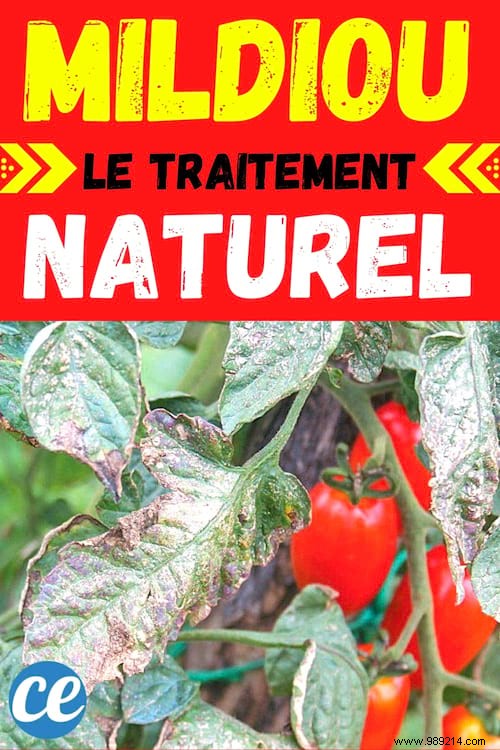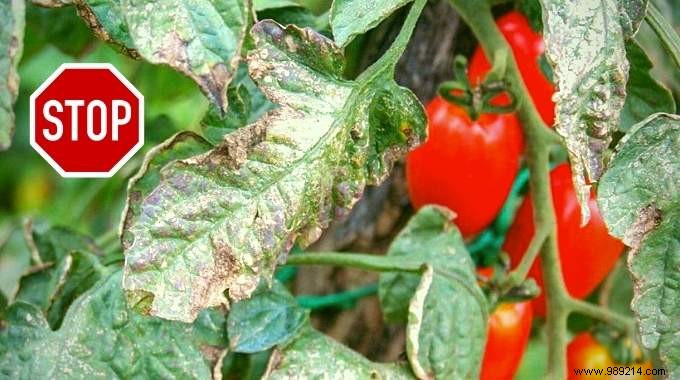
Are your tomato plants showing worrisome signs? Brown spots on the leaves that turn fluffy? Downy mildew has likely taken hold in your garden. Don't reach for chemical sprays that render produce unsafe—there's a better way.
As a seasoned organic gardener, I've successfully treated late blight on tomatoes and young plants with this simple, natural remedy. Easy to make and highly effective, it's my go-to solution for the vegetable patch.
The secret? A homemade spray using milk, baking soda, and black soap. Here's how:
 Contents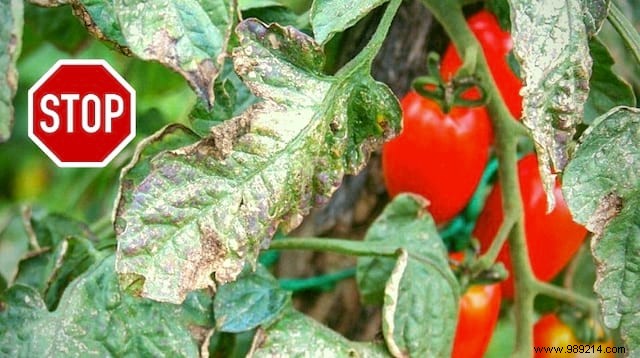
Your tomatoes will bounce back quickly! This natural treatment eliminates mildew without harmful chemicals, keeping fruits safe to eat—just rinse under water.
Undamaged fruits are perfectly edible. It's far more affordable than commercial fungicides costing 9-10€ for 750ml. Reapply weekly, ideally after rain and in early evening, for full recovery. Works on tomatoes, vines, citrus, and potatoes too.
Baking soda acts as a potent natural antifungal, a staple in organic gardening for combating plant diseases.
Milk provides fungicidal bacteria that target mildew pathogens.
Black soap suffocates the organisms, preventing further damage.
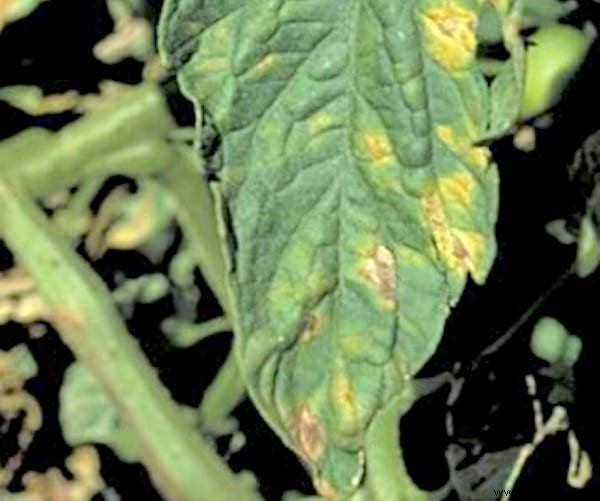
For novice gardeners, downy mildew is a fast-spreading fungal disease that can devastate crops in days. It forms filaments that invade plant tissues.
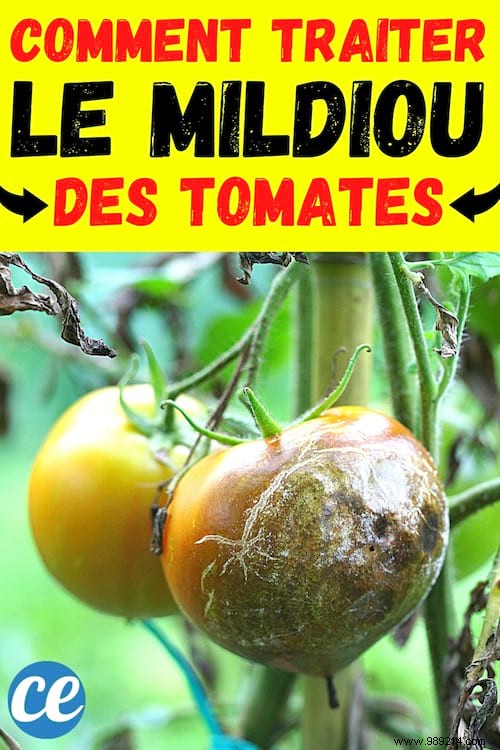
Spot it early: Yellowish-brown spots on leaves with white, fluffy growth underneath. Advanced stages affect the whole plant, rotting fruits with a foul odor.
This pathogen thrives in warm, humid conditions, like spring's rainy-hot cycles. Key prevention: Space plants adequately to stop spread between them and improve airflow.
Great question—we hate waste too! It depends on the damage.
If only leaves are infected and fruits show no mold, yes—wash with water and white vinegar.
Discard tomatoes with open lesions to avoid illness. For minor damage, cut away affected parts and eat the rest.