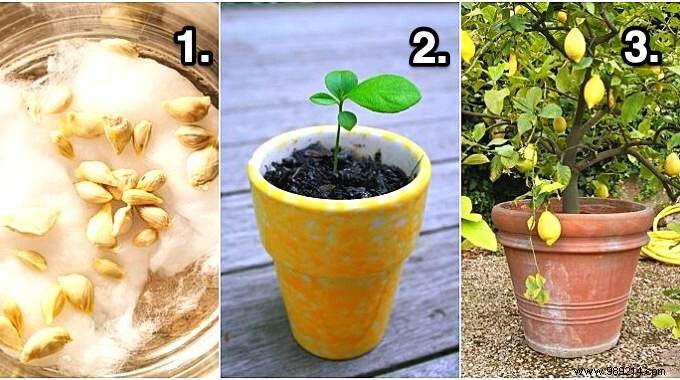
Imagine fresh lemons growing on your balcony or indoors. It's easier than you think!
I've successfully grown lemon trees from simple seeds using a reliable method shared by a trusted nurseryman. These trees thrive in pots, produce beautiful fragrant flowers, and even bear fruit.
Here's my proven tutorial to grow a lemon tree at home quickly. Watch the results:
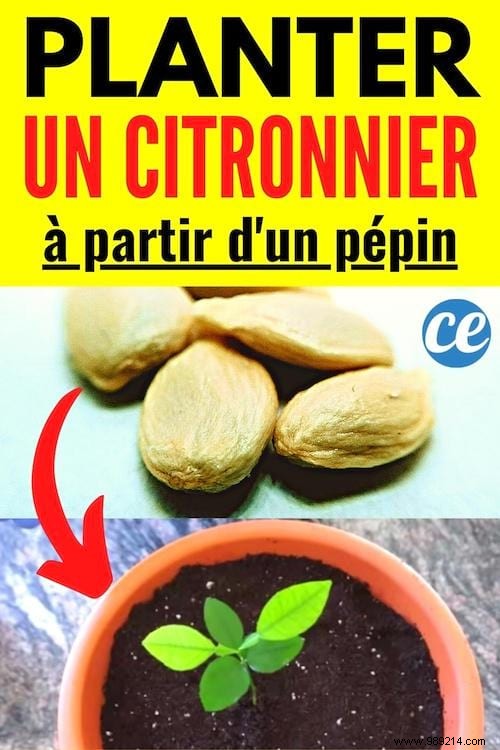
- Lemon seeds
- Seedling soil
- Absorbent paper towel
- Plastic bag
- 30 cm high pot
- Water spray bottle
1. Fill the pot with potting soil.
2. Moisten the soil without soaking it.
3. Extract seeds from a lemon and suck off the pulp to clean them.
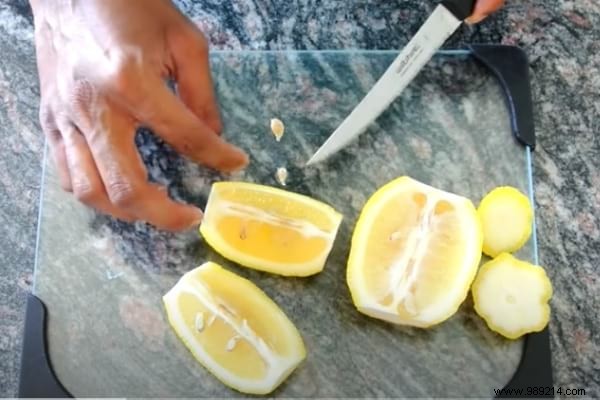
4. Dampen the paper towel.
5. Place seeds on the towel and fold it over them.
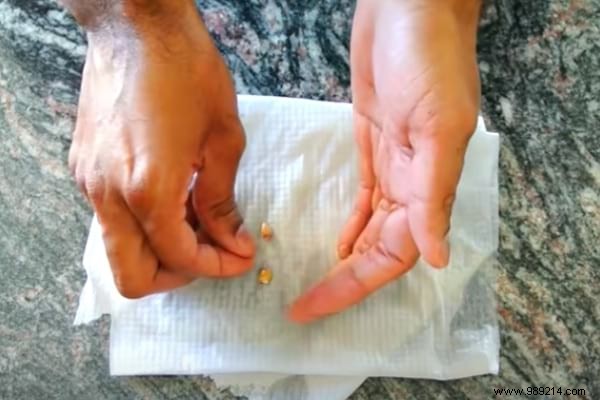
6. Ensure the towel stays damp.
7. Seal everything in a plastic bag with a knot.
8. Store in a dark, warm spot for 10 days.
9. After 10 days, check: seeds will have sprouted.
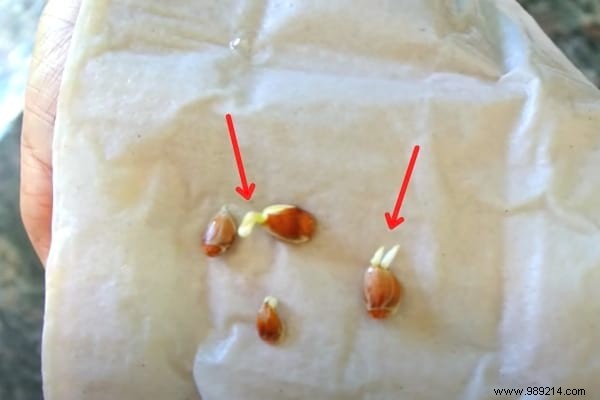
10. Plant sprouted seeds 2 cm deep in the soil.
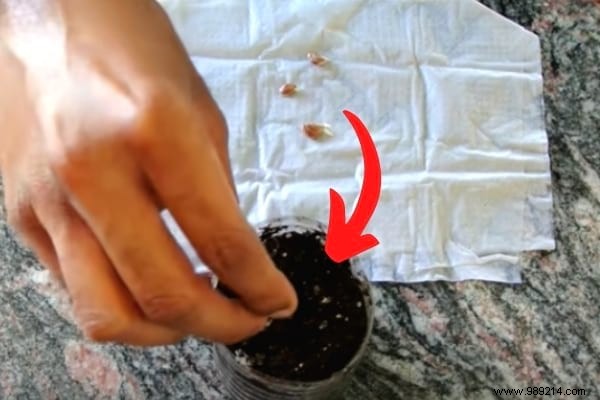
11. Space them out or use separate pots.
12. Mist the soil with water.
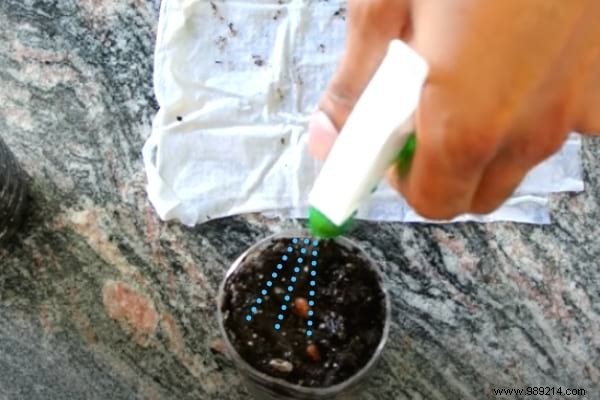
13. Place in a warm spot, like behind a south-facing window.
14. Shoots emerge in about 20 days. Provide at least 8 hours of full light daily.
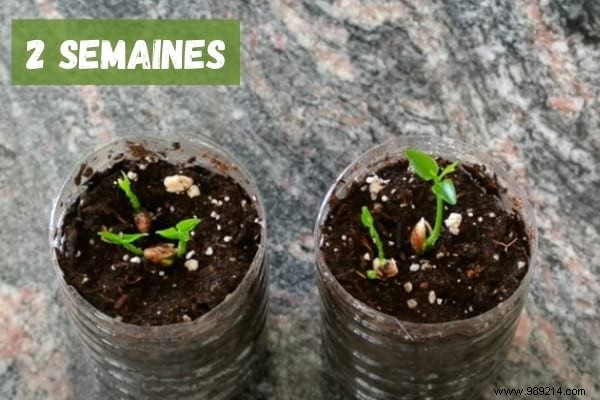
15. Keep soil moist but not waterlogged.
16. If multiple seedlings emerge, separate after two months into individual pots.
17. Repot into larger containers as they outgrow their pots.
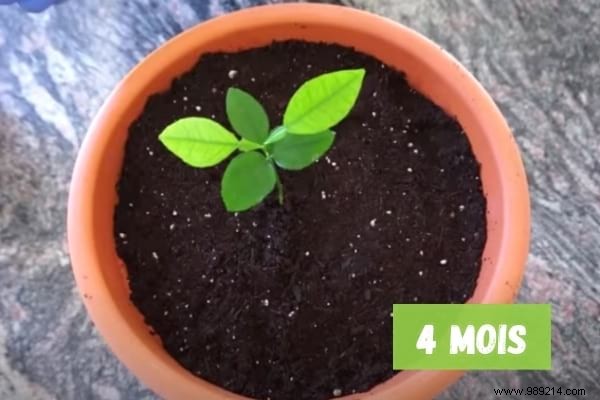
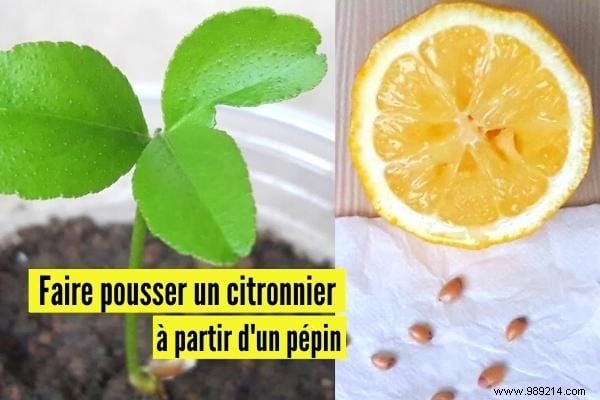
And there you have it! With this method, every seed germinated successfully for me.
It's simple, fast, cost-free, and works best in late winter or early spring.
This technique applies to all citrus: oranges, grapefruits, limes, yuzus, bergamots, and caviar lemons.
Alternative: Pre-soak seeds in an airtight box at 25°C for a week to boost germination, then plant as above.
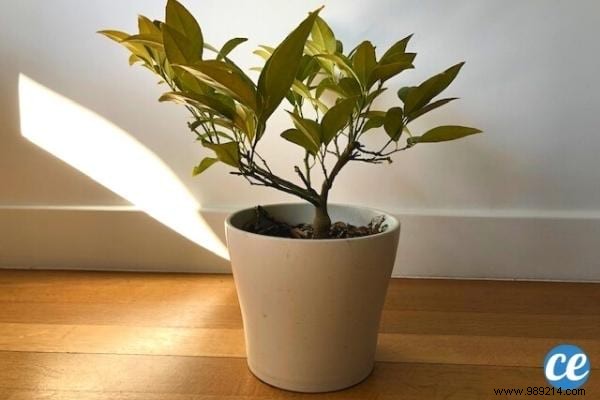
Citrus love full sun—position pots accordingly in good weather.
In winter, protect from frost with a winter veil or move to a bright sunroom/garage.
In harsh climates like the Alps, shelter from cold winds. I grow mine in pots for easy indoor relocation during cold snaps—ideal unless you're in a mild region like southern France.
Fertilize with green manure at least twice yearly.
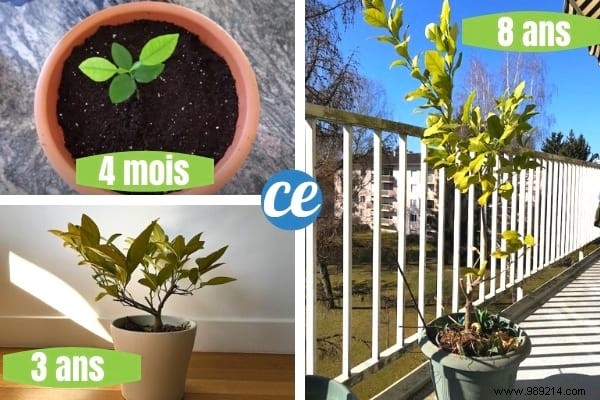
Yes! In tropical areas, fruit after 6 years; in temperate climates, up to 10 years. Flowering starts sooner, filling your space with a delightful scent.
Two paths to fruit:
- Grafting: Simple with a grafting tool and raffia in spring/summer. Watch a tutorial for young trees.
- Natural luck: Not always needed—my ungrafted balcony trees fruited after 2-3 years. Fruits are smaller but delicious. Patience pays off.
Tip: Save and replant seeds from homegrown fruit for reliable results without grafting.
By mimicking natural cycles: hot, humid summers (full sun, regular watering/misting) and mild winters in a sunny veranda. This alternation triggered fruiting naturally.
