
As summer winds down, the first frosts loom on the horizon. Drawing from years of gardening expertise, we recommend starting to safeguard your most delicate plants as early as November. While smaller potted varieties can easily move indoors, larger specimens demand thoughtful strategies. These proven tips will help ensure their survival through winter.
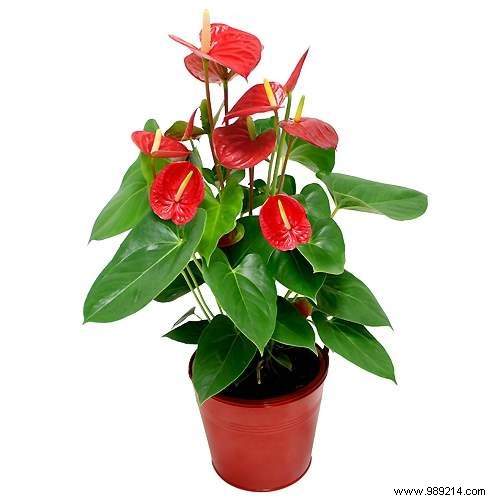
Tropical favorites like orchids and anthuriums likely thrived on your terrace or balcony this summer—now it's time to relocate them indoors. These plants cannot withstand cold temperatures and won't survive outdoors over winter. Ideally, overwinter them in a well-insulated veranda. A bright room with stable, mild temperatures or proximity to a humidifier works well too. Cacti and succulents require the same approach, with ample light to stay healthy.

Protect tender bulbs like cannas, dahlias, gladioli, and begonias by waiting for the first frosts to blacken their foliage. Then, carefully dig up the roots with a spade, clean them gently, let them dry, and store in a cool, dark, dry spot such as a box. For orangery plants, grow them in pots to simplify moving. When frosts arrive, shelter them in a well-ventilated, brightly lit space like a garage.
Open-ground trees and shrubs vulnerable to freezing, such as palms and mimosa, also need protection during harsh winters. Wrap them securely in breathable canvas, tying it firmly at the base to hold it in place. Follow these time-tested methods, and your plants will thrive until spring. Consider creating a winter garden in the meantime for year-round enjoyment.
