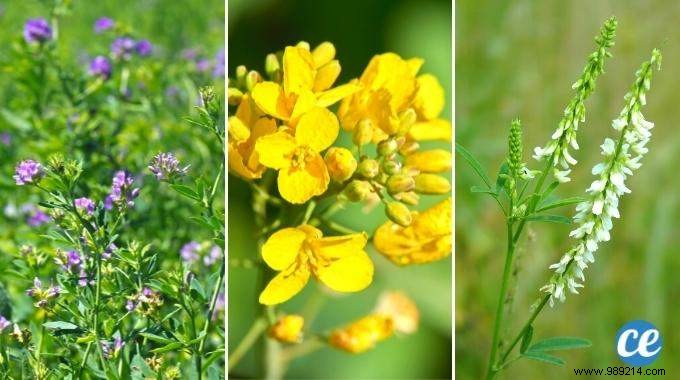
As a seasoned gardener with years of experience in organic soil management, I'm sharing my top 6 green manures. These are cover crops sown in late fall or winter before spring planting.
They shield soil from erosion and harsh weather while aerating it, fixing nitrogen, and decomposing to release nutrients. This natural approach fosters microbial life and builds long-term fertility—far superior to synthetic fertilizers.
Here's my curated list of 6 easy-to-grow green manures that transform vegetable garden soil. Watch how they work:

Green manure refers to crops grown specifically to improve soil health through their fertilizing effects. It's a natural alternative that eliminates the need for chemical fertilizers.
In essence, these plants aren't harvested for food but buried or mulched to enrich the soil they grow in.
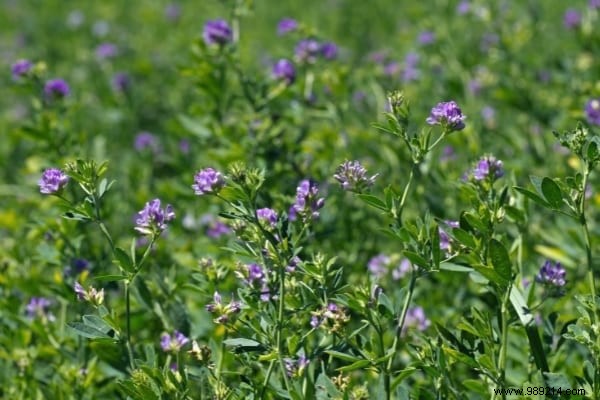
Alfalfa is a farmer favorite, resembling clover with an extensive root system that aerates and loosens compacted soil.
Sow from March to September (250 g / 100 m²) on plots idle for the next 3 months. It's heat-tolerant and thrives on moderately dry soils but dislikes wet, heavy ground.
Cut it back as soon as it emerges, before seed set to prevent invasiveness. Enjoy its striking blue-purple flowers first! If excess, offer it to local horse or cattle farmers—they'll appreciate it.
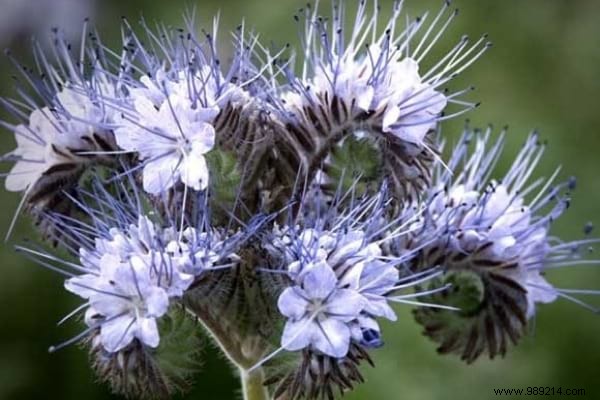
Phacelia's deep roots till the soil, and its vibrant purple flowers draw pollinators— a win for biodiversity.
This fast-grower shines in gardens. Sow April to late August (100 g / 100 m²) on fallow land. Allow flowers to mature, then mow. Leave residues over winter; it withstands frost and rebounds in spring.
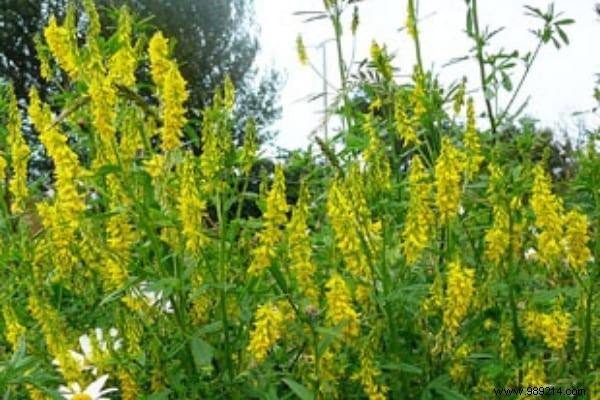
Sweet clover features tall stems with white or yellow blooms. Highly melliferous—also called 'honey clover'—it attracts bees.
It grows rapidly, fixes nitrogen, and fits perfectly into organic rotations. Sow in winter or spring (200 g / 100 m²), alone or mixed with grasses.
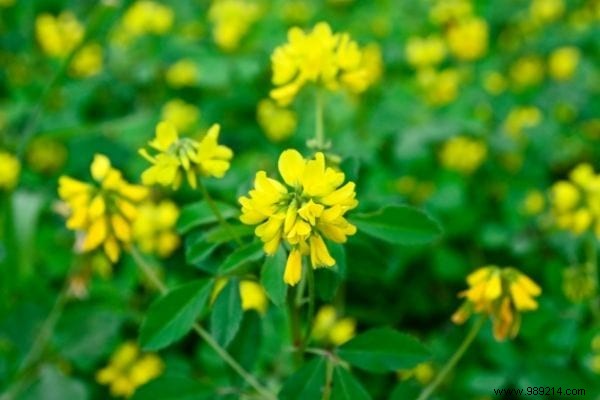
Resembling alfalfa but with yellow flowers, fenugreek was ancient fodder. It excels on dry, poor, calcareous soils in warm climates, enriching them with nitrogen.
Cold-sensitive, it's best for milder regions. Grow over 3 months like alfalfa, then mow.
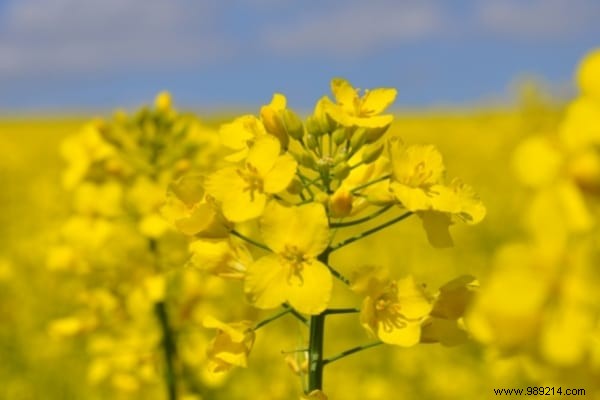
Common in organic farming, forage rape renews pastures or serves as an inter-crop. Its cover prevents rain-induced nutrient leaching.
Deep roots improve soil structure; cut and wilted tops add organic matter. Sow March to August (150 g / 100 m²) for harvest 120 days later.
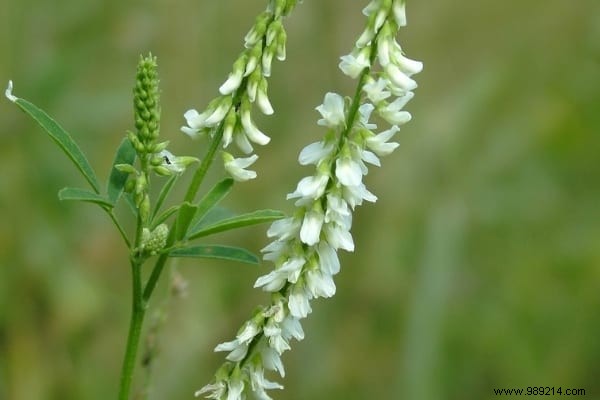
Camelina, rapeseed's ancestor, is a historic French fodder cover crop. Drought-resistant, it's ideal even in southern regions.
This reliable green manure fixes nitrogen and curbs erosion. Sow in summer (100 g / 100 m²) for harvest in 30-40 days—the quickest option.
Bonus: Sunflower
Often overlooked, sunflowers match these benefits. Plant mid-March to mid-April; mow end of summer.
Traditional farmers never left soil bare, preventing erosion and depletion. They used cover crops to feed livestock while enhancing land.
Key principles from my practice:
These green manures deliver multifaceted benefits, backed by agronomic science.
Roots aerate, prevent erosion and compaction, trap nitrates to avoid groundwater pollution, and stockpile phosphorus, nitrogen, and potassium.
Foliage shades soil, retains moisture, suppresses weeds, and lures pollinators—keeping your garden thriving, not desertified.
