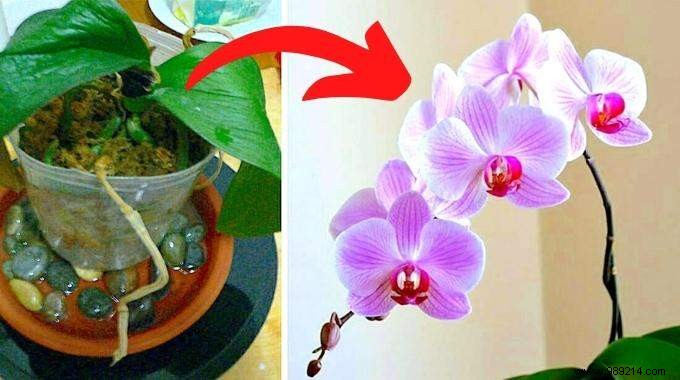
What should you do after your orchid's blooms fade? As someone who's successfully rebloomed phalaenopsis orchids for 8 consecutive years, I'll share my reliable methods to trigger flowering again effortlessly.
I once believed these were one-and-done plants and tucked them away post-bloom. That changed when my florist friend revealed simple techniques for repeat blooming. Now, they flower annually—no more buying replacements.
These are my 7 battle-tested tips for reblooming post-flowering orchids. Here's how:
 Contents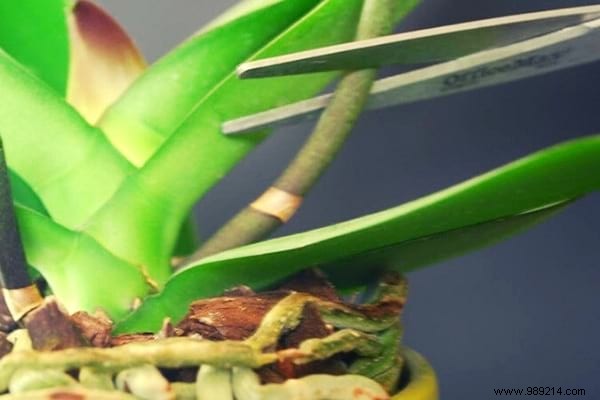
Once the last flower drops, especially if the spike starts yellowing or drying, trim the flower stem promptly.
Debate exists: base cut or above the third node? Nodes (or 'eyes') are those darkened, ring-like joints on the spike.
Count three from the base and snip there—or at the base, like I do. This encourages new spikes and looks cleaner than a wilting half-stem. Use sharp pruning shears for a clean cut.
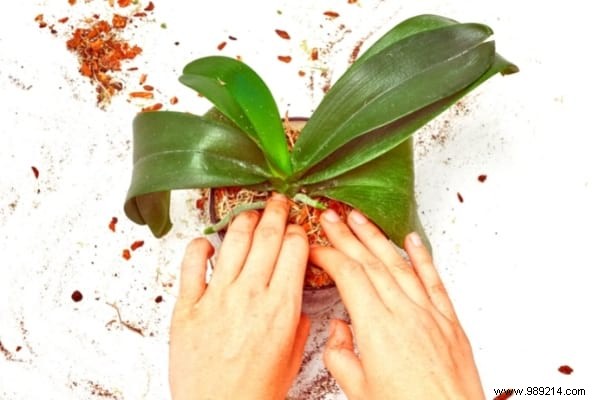
Orchids develop extensive roots to absorb moisture from air, mimicking their epiphytic life on tropical trees.
When roots crowd and escape the pot, repot every 2-3 years. Opt for orchid-specific bark mix from garden centers. Choose a slightly larger transparent pot, add substrate, and gently replant.
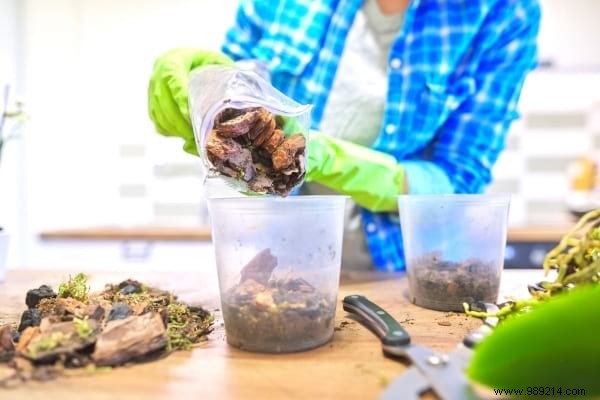
During repotting, prioritize drainage with clay pebbles or bark chunks at the bottom. This prevents waterlogging, as orchids rot quickly in soggy conditions.
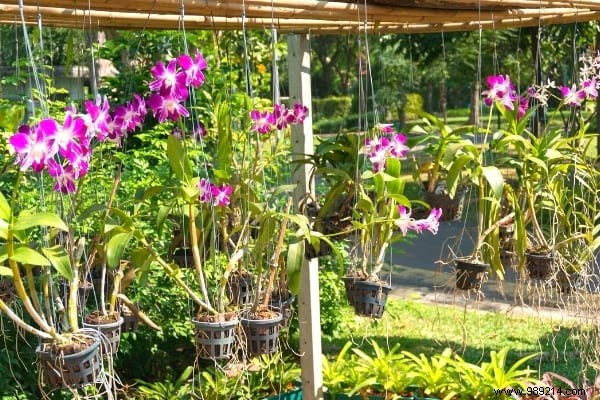
Thriving in tropical humidity and warmth, phalaenopsis love summer outdoors. I place mine under shady hedges from late May to late September, avoiding direct sun.
They self-sustain via dew and humidity—no watering needed. Retrieve before nights dip below 13°C (55°F). In 3-4 weeks, new spikes emerge for months of blooms.
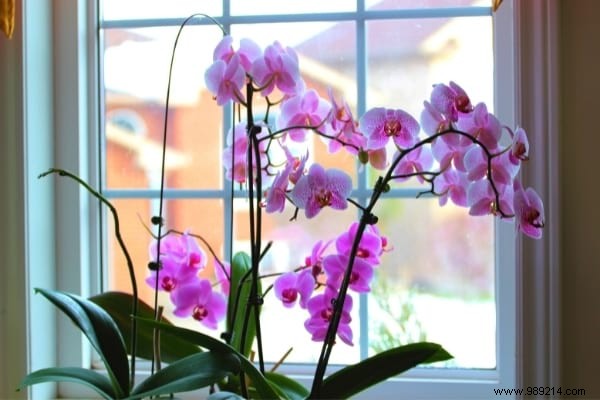
Orchids crave bright light but burn in direct sun. Position near east/west windows or in well-lit rooms. Avoid south-facing full sun, especially summer. Once settled, don't relocate—stability is key.
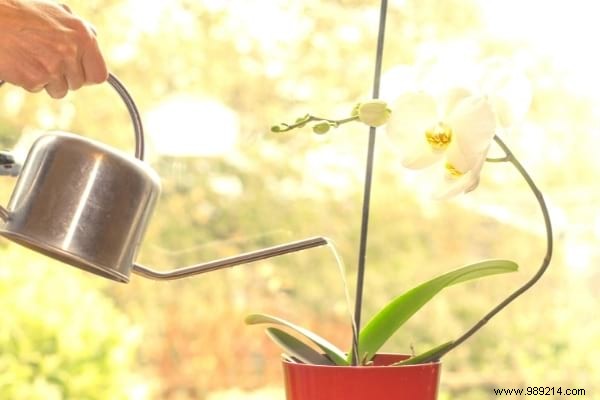
Skip daily watering; aim for consistent root humidity. Mist weekly or soak pots in shallow water for 30 minutes once a week, then drain fully.
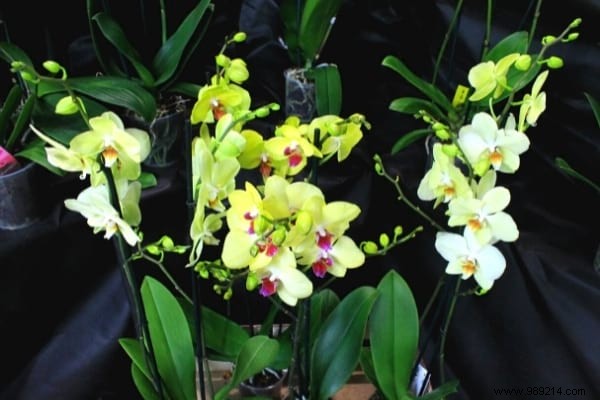
Healthy orchids rarely need fertilizer—excess stresses them, shortening life. Beware chemically forced blooms from stores; they fade fast. Let nature handle it for sustainable growth.
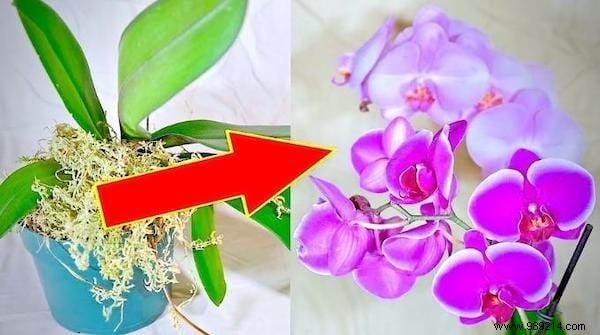
Follow these, and enjoy repeat flowers. Orchids rest 6-9 months between cycles—patience pays off.
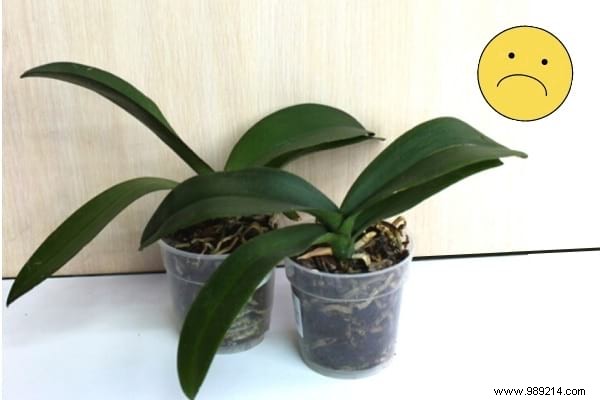
Phalaenopsis are easier than some varieties. Blooms occur yearly, so wait. Store-forced plants need recovery time. Try summer outdoors for temperature shifts, test new spots (no drafts), and give 1+ month to adjust.
