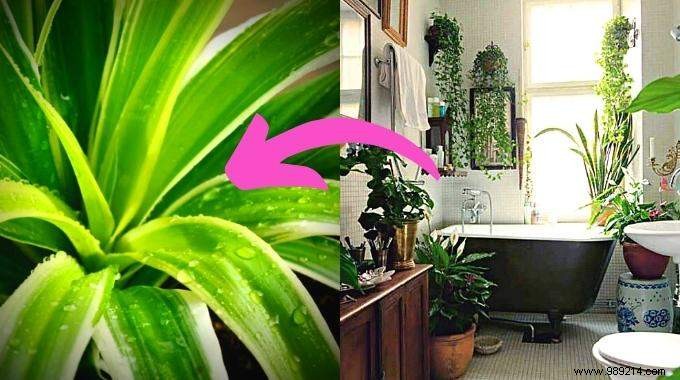
Struggling with excess humidity in your home? As a horticulture enthusiast with years of experience maintaining indoor greenery, I've found the perfect natural solution: certain houseplants. These plants effectively absorb moisture from the air, preventing dampness and musty odors without the need for expensive dehumidifiers.
They're easy to care for, cost-effective, and add beauty to any space. Here are 10 top houseplants proven to reduce indoor humidity. Watch them transform your home:
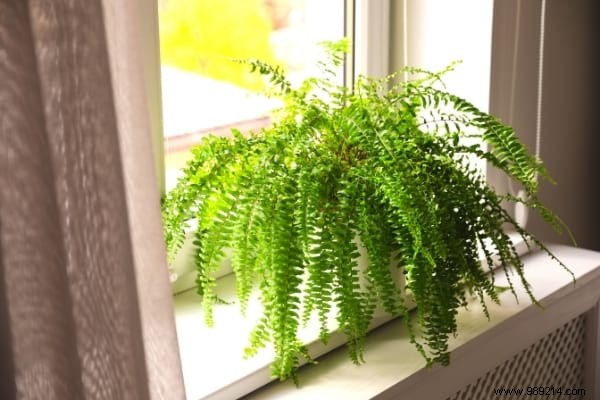
Native to humid undergrowth, the Boston fern thrives in moist environments. Its long, feathery fronds efficiently capture airborne moisture. Ideal for steamy bathrooms, it's also highly decorative.
To care for it: Keep soil consistently moist and shield from direct sun.
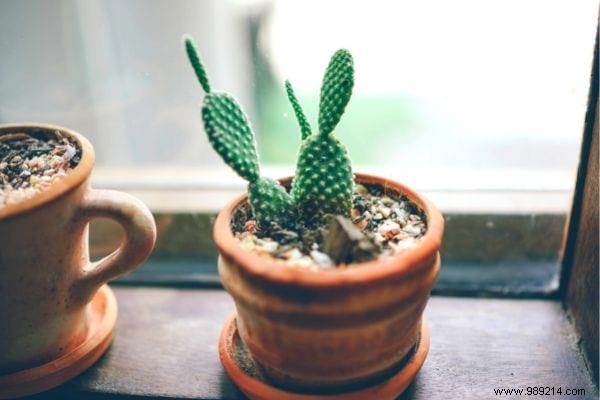
Don't let the desert association fool you—cacti excel at absorbing humidity, especially at night, which helps them survive arid conditions. Create a mini cactus garden in damp rooms; they'll draw in moisture while adding charm.
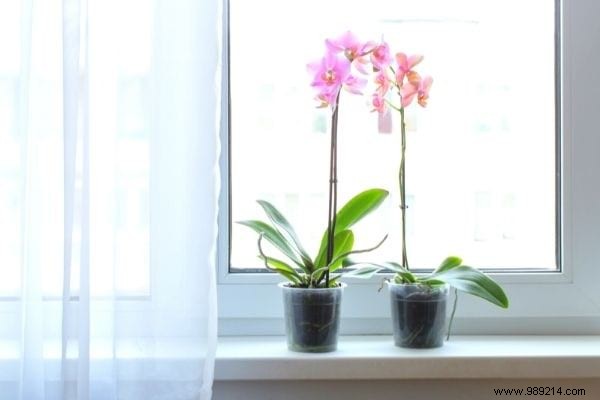
In their natural habitat, orchids use aerial roots to trap moisture—no soil required. Provide bright, indirect light and humidity, and they'll reward you with annual blooms.
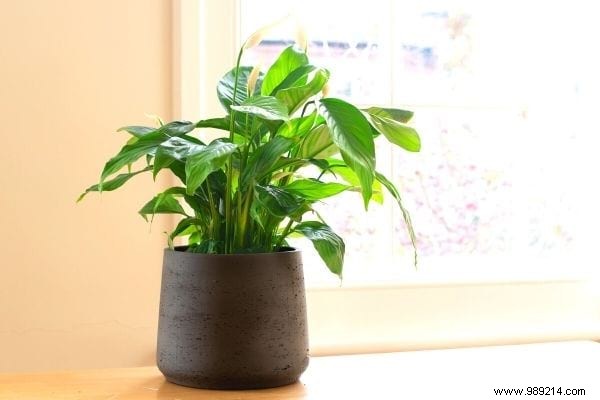
This tropical favorite absorbs moisture through its broad leaves. In humid, warm, well-lit spots, it produces elegant white flowers year-round. Bonus: It's a proven air purifier, making it ideal for bedrooms.
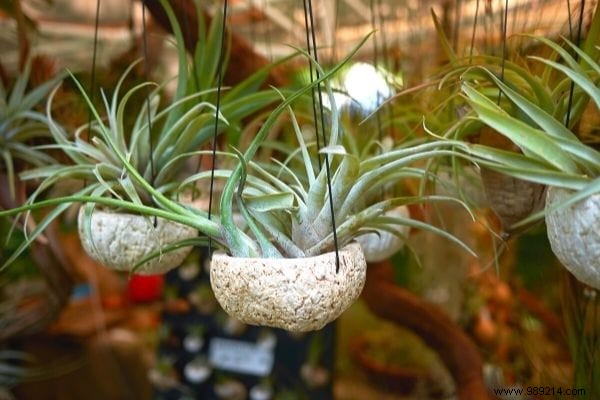
Known as "air plants," Tillandsia absorbs water via leaves and roots, needing no soil—just mount on wood or rock. Leaves curl if humidity drops, signaling its needs.
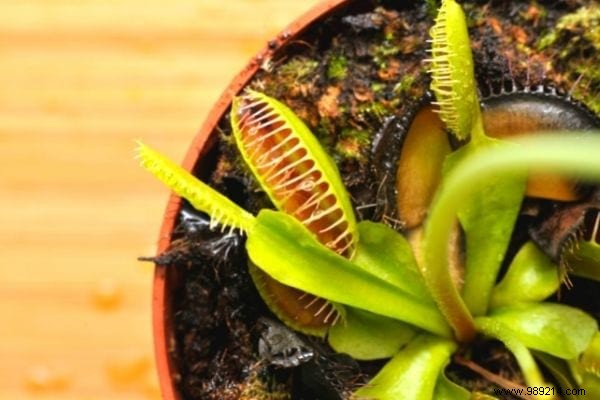
Carnivorous and humidity-dependent, Nepenthes stabilizes moisture levels. Avoid drafts and direct sun; place thoughtfully for best results.
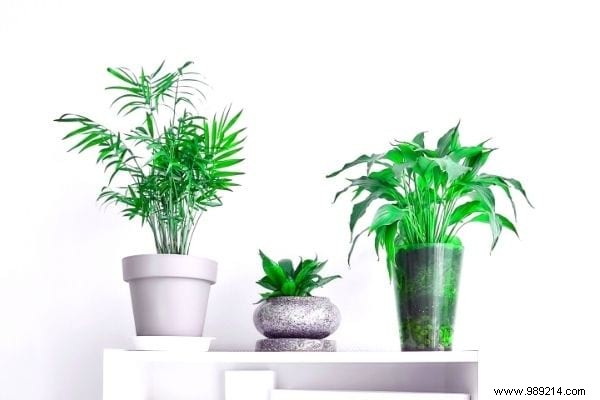
From tropical regions, this palm captures ambient humidity and releases oxygen. It prefers low light, no drafts, and grows quickly—give it room.
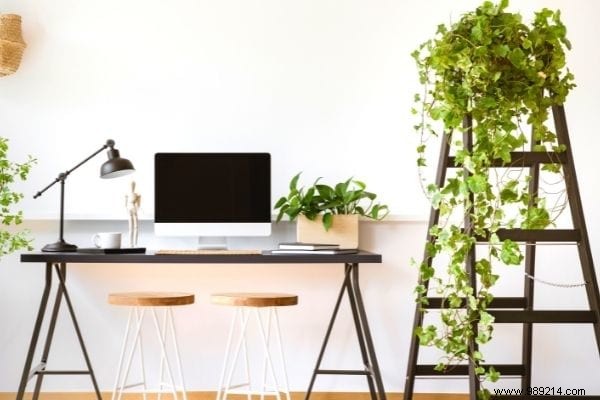
Suspend ivy in indirect light to harness its ability to hold excess moisture. Perfect for bathrooms or laundry rooms.
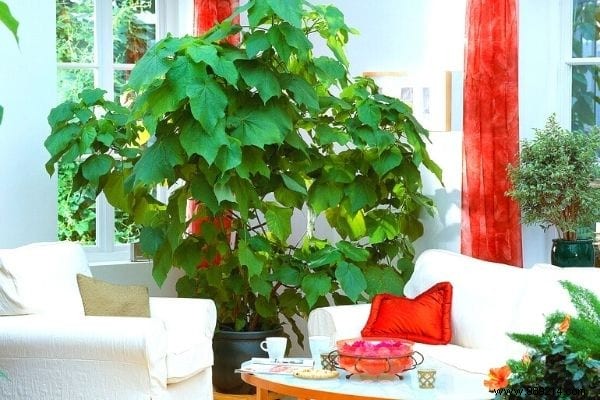
Originating from South Africa, this fast-grower loves vapor-rich, warm spaces. Its vast leaves pull in room humidity—best for large areas like living rooms.
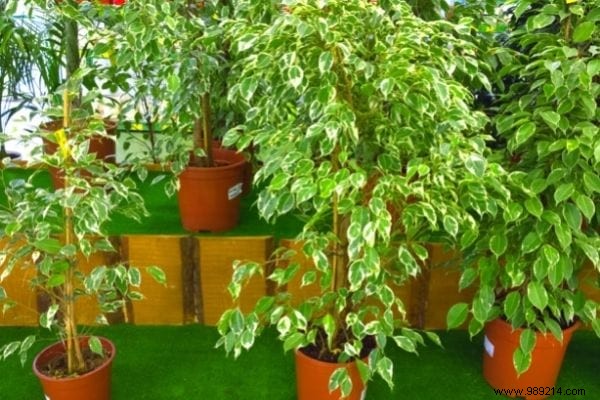
Low-maintenance with thick leaves, ficus is both depolluting and humidity-absorbing. Avoid dry, hot spots to keep it thriving.
