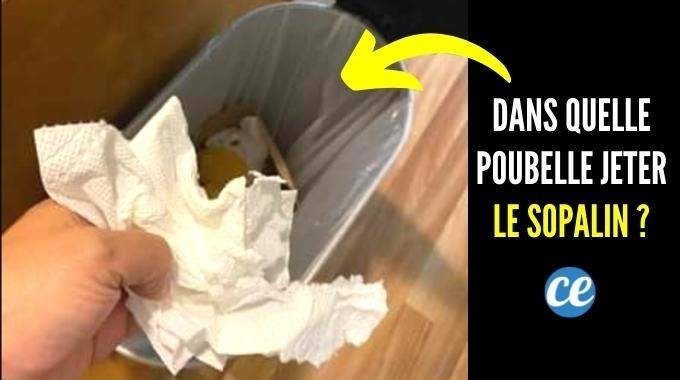
Wondering which bin to use for used paper towels? It's a common question, and the answer isn't as straightforward as you might think.
Paper towels are a daily essential for wiping up kitchen spills, cleaning surfaces, and even substituting for napkins to cut down on laundry.
However, relying on them heavily isn't cost-effective and generates significant waste.
Many people mistakenly toss used sheets into the recyclable paper bin.
So, where do they really belong, and are they recyclable? Here's the definitive guide to get it right every time. Watch:
Paper towels consist of cellulose fibers derived from wood pulp or recycled paper.
What exactly is cellulose? It's the fibrous material from trees or reused paper products.
You might think that sounds perfect for the paper recycling bin—but it's not. Let's explore why.
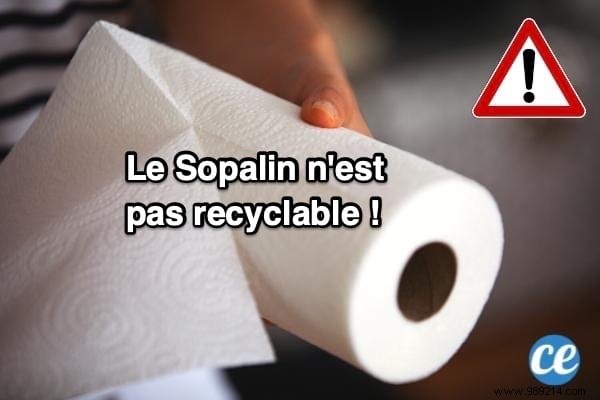
This is unwelcome news for those who've been putting paper towels in the yellow recycling bin—a frequent error.
Sorting facilities won't recycle them, whether soiled with food, cleaners, or even if brand new.
Instead, direct them to the general trash bin (often green) with non-recyclable waste.
The one exception: the cardboard core, which can go in paper recycling.
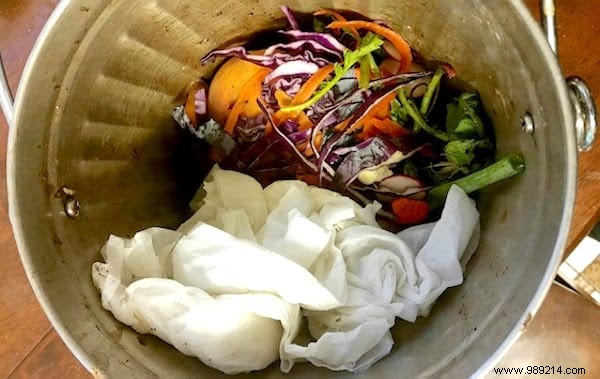
Fortunately, paper towels are biodegradable and compostable.
That means they belong in your compost pile—with caveats for best results.
To compost safely, ensure they're free of chemical cleaners, paints, solvents, or varnishes.
Sheets used only for food spills or stains are ideal for composting, enriching your soil naturally.
Paper towels fail recycling standards for two key reasons.
First, the yield is too low—there's simply not enough material worth processing.
Second, they resist breaking down into pulp during recycling. Unlike standard paper or cardboard, paper towels stay intact in water, making repulping impossible.
The simplest, most effective option? Composting, as countless households have successfully done for generations.
