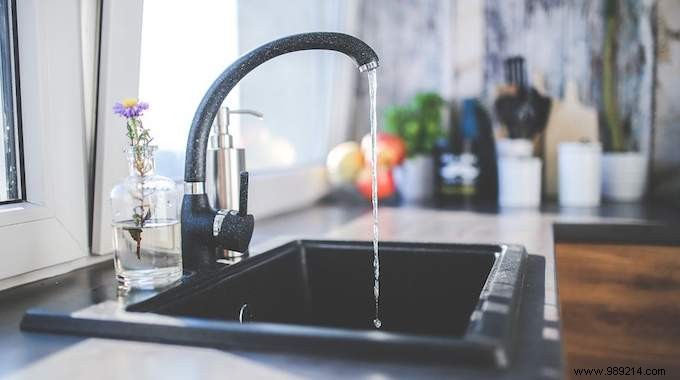
Does your tap water taste off? It's common, but you don't need pricey bottled water at €0.90 per liter. Those heavy packs create waste too. A simple filter removes chemicals like chlorine and lime, delivering fresh-tasting water affordably.
I've been filtering my tap water for years, saving hundreds while enjoying better quality. Here's how it pays off long-term:
This advanced under-sink system uses multiple stages to remove 100% of dissolved substances—both good and bad. Its high upfront cost makes it harder to recoup compared to simpler options.
Easy to install over the faucet, this filter requires cartridge changes every three months. It amortizes quickly but doesn't remove limescale.
These jugs effectively retain chlorine, limescale, pesticides, and heavy metals. Cartridges last about three months, with costs similar to the ring filter. In my experience, filtered water costs just €0.06 per liter the first year, dropping to €0.05 thereafter (plus local tap water rates).
Available at DIY stores or online, like these filter jugs with replacement cartridges. Most feature electronic reminders for cartridge changes.
Tap water is safe—the chlorine kills bacteria. But its taste can disappoint, and bottled water is costly, heavy, and wasteful. I skip reverse osmosis (€200–€1,500 installed, €50/year after). Between ring filters and jugs, I prefer the carafe for table-ready water, especially in my limestone-heavy area.
Ring filters don't remove limescale but suit low-limescale regions. They also reduce flow, helping conserve water.
