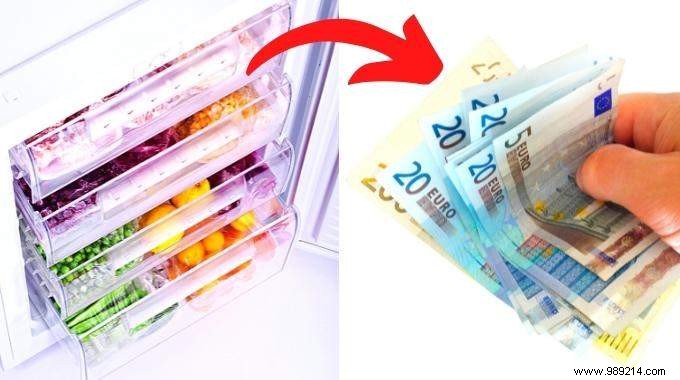
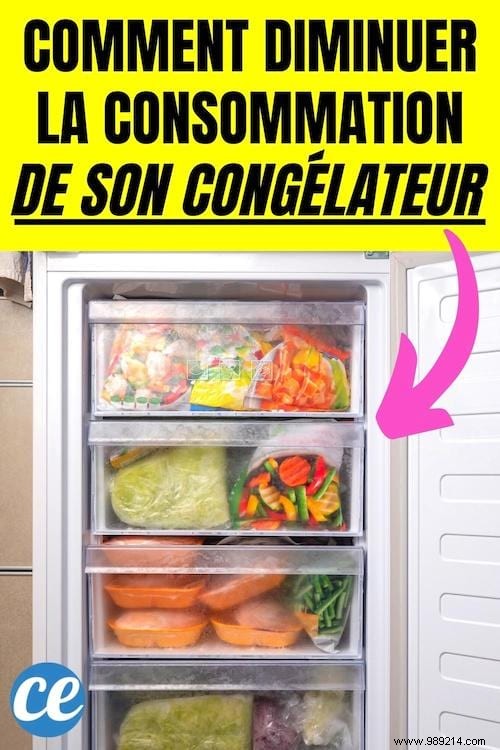
Your freezer is a major energy hog in the home, consuming around 350 kWh annually—twice as much as a typical refrigerator. Smart adjustments can reduce usage by at least 40%, delivering real savings on your energy bill. As energy efficiency specialists with years of hands-on experience, we've tested these strategies in real households.
Discover these expert tips to minimize your freezer's electricity draw. Watch:
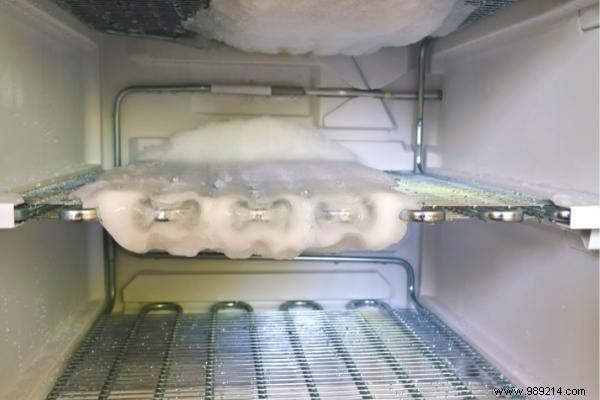
Start with regular defrosting—it's the quickest win for energy savings. A layer of ice just 3 mm thick can double electricity use. Defrost every 6 months for optimal performance; follow our simple guide if needed.
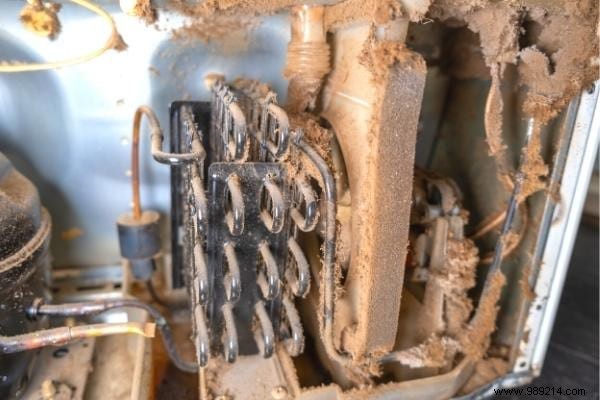
Check the condenser coil at the back—dust buildup forces the freezer to work harder to dissipate heat, spiking energy consumption. A quick clean restores efficiency and prevents overuse.

When installing or repositioning, keep it away from ovens, stoves, radiators, or sunny windows. Cooler surroundings mean less effort to maintain temperature, saving energy year-round.

Avoid lingering with the door open—warm air rushes in, forcing the compressor into overdrive. Organize contents smartly: avoid overcrowding drawers for quick access and minimal temperature spikes.
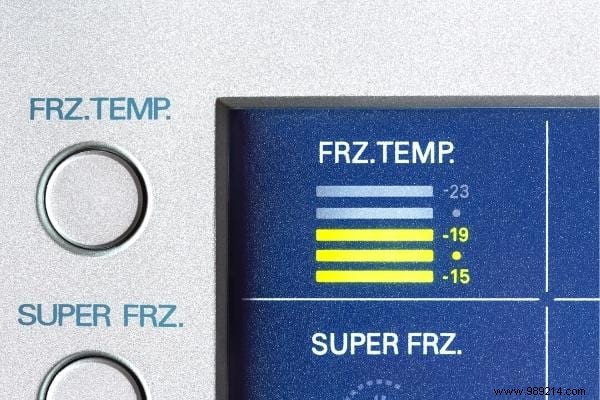
-18°C is ideal for safe food storage; going lower, like -24°C, wastes energy. Verify with a thermometer and aim for 4-5°C in the fridge compartment too. Precision prevents overconsumption.
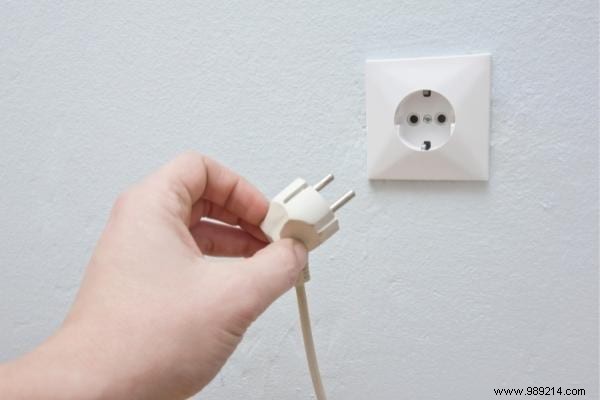
Empty it before trips—use everything up to avoid running it idle. For a 3-week getaway, that's pure savings. Leave the door ajar post-unplug to prevent mold.

A fuller freezer (at least 3/4 capacity) stabilizes temperatures better, reducing compressor cycles. For sparse loads, add 2/3-filled water bottles—they act as thermal mass without bursting.

Ditch bulky boxes; transfer to freezer bags for faster freezing and easier cooling. Less air trapped means the unit works less to reach optimal temps.
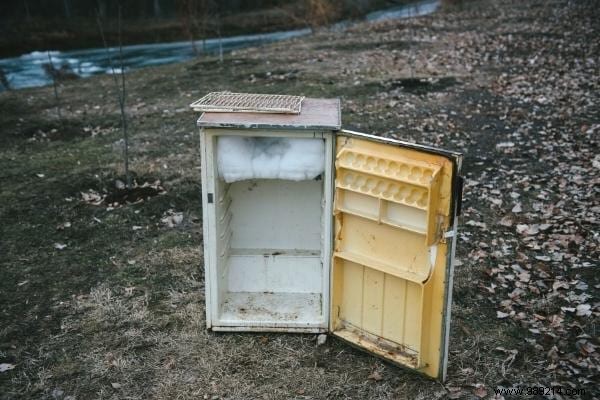
Pre-2010 models guzzle energy and leak cold air via worn seals. Upgrade to A+++ efficiency-rated units—affordable, reliable, and far thriftier. Inspect seals regularly for interim fixes.
